

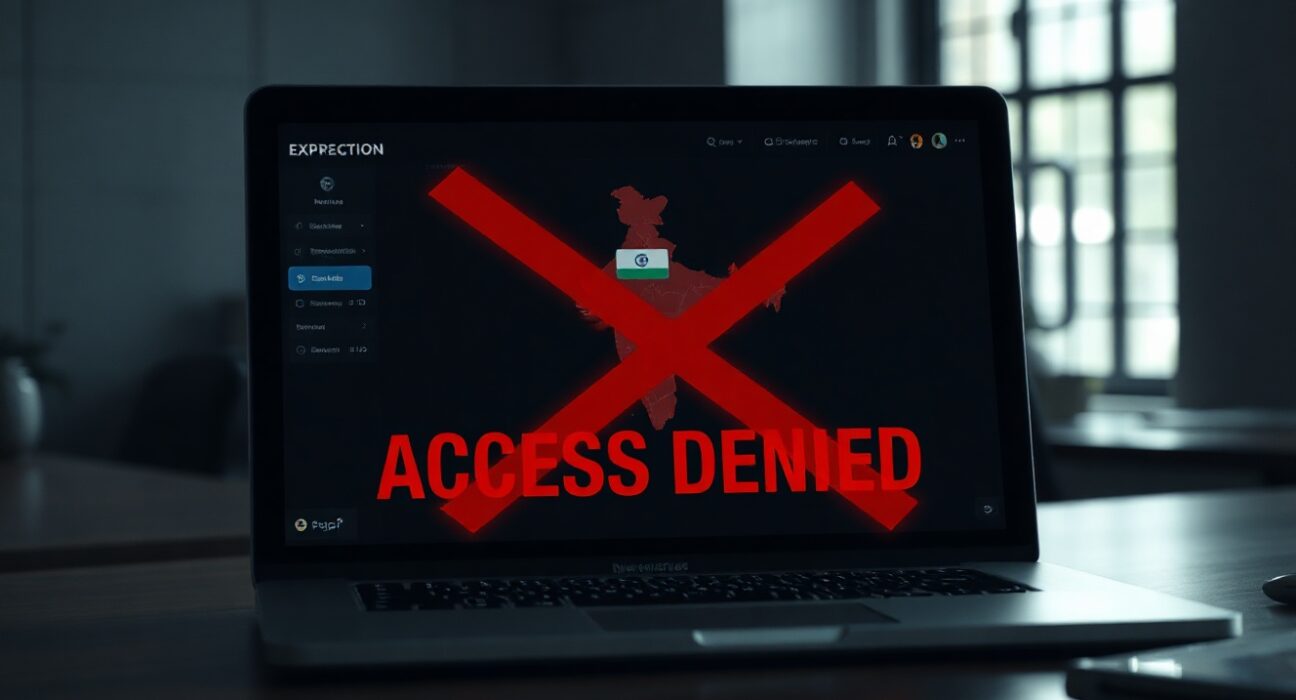
Decentralized prediction market platform Kalshi has added India to its list of restricted countries, blocking users from accessing its services. The move, reported by Cointelegraph, expands Kalshi’s restricted list to 55 countries and regions, following an updated terms of service policy. The restriction comes amid heightened scrutiny from Indian authorities, who recently warned VPN providers against facilitating access to illegal online betting and prediction market platforms.
India’s Regulatory Pressure Intensifies
India’s Ministry of Electronics and Information Technology (MeitY) issued a directive to VPN service providers, urging them not to enable access to platforms deemed illegal under Indian law. The warning specifically targets online betting and prediction market platforms, which operate in a legal gray area in the country. Kalshi’s decision to block Indian users appears to be a direct response to this regulatory pressure, as the platform seeks to avoid potential legal complications in one of the world’s largest internet markets.
Global Trend of Prediction Market Restrictions
India is not alone in tightening access to prediction markets. Several other countries, including Singapore, Poland, Portugal, Hungary, Ukraine, and Brazil, have implemented similar blocks or outright bans on platforms such as Kalshi and Polymarket. These actions reflect growing global concerns about the unregulated nature of prediction markets, which some regulators view as a form of gambling rather than a legitimate financial or forecasting tool.
Why This Matters to Users and Investors
For users in restricted countries, the inability to access platforms like Kalshi limits participation in event-based trading, which has gained popularity for its use in forecasting election outcomes, economic events, and cultural phenomena. For investors and industry observers, the expanding list of restricted jurisdictions signals a potential fragmentation of the prediction market ecosystem, as platforms face increasing compliance costs and regulatory uncertainty.
Conclusion
Kalshi’s decision to block access from India underscores the growing regulatory challenges facing decentralized prediction markets worldwide. As governments tighten their stance, platforms must navigate a complex web of local laws while maintaining global accessibility. The coming months will likely see further restrictions as regulators in other countries evaluate the legality and risks of these emerging financial instruments.
FAQs
Q1: Why did Kalshi block access from India?
Kalshi added India to its restricted countries list following a warning from India’s Ministry of Electronics and Information Technology to VPN providers, urging them not to facilitate access to illegal betting and prediction market platforms. This move helps Kalshi avoid potential legal liabilities under Indian law.
Q2: Which other countries have restricted Kalshi or similar platforms?
Countries including Singapore, Poland, Portugal, Hungary, Ukraine, and Brazil have blocked or banned prediction market platforms such as Kalshi and Polymarket, reflecting a global trend toward stricter regulation of these services.
Q3: Can users in restricted countries still access Kalshi via VPN?
While technically possible, using a VPN to bypass Kalshi’s restrictions may violate the platform’s terms of service and could expose users to legal risks in their home country, especially in jurisdictions like India where authorities have specifically warned against such practices.
Disclaimer: The information provided is not trading advice, Bitcoinworld.co.in holds no liability for any investments made based on the information provided on this page. We strongly recommend independent research and/or consultation with a qualified professional before making any investment decisions.
