

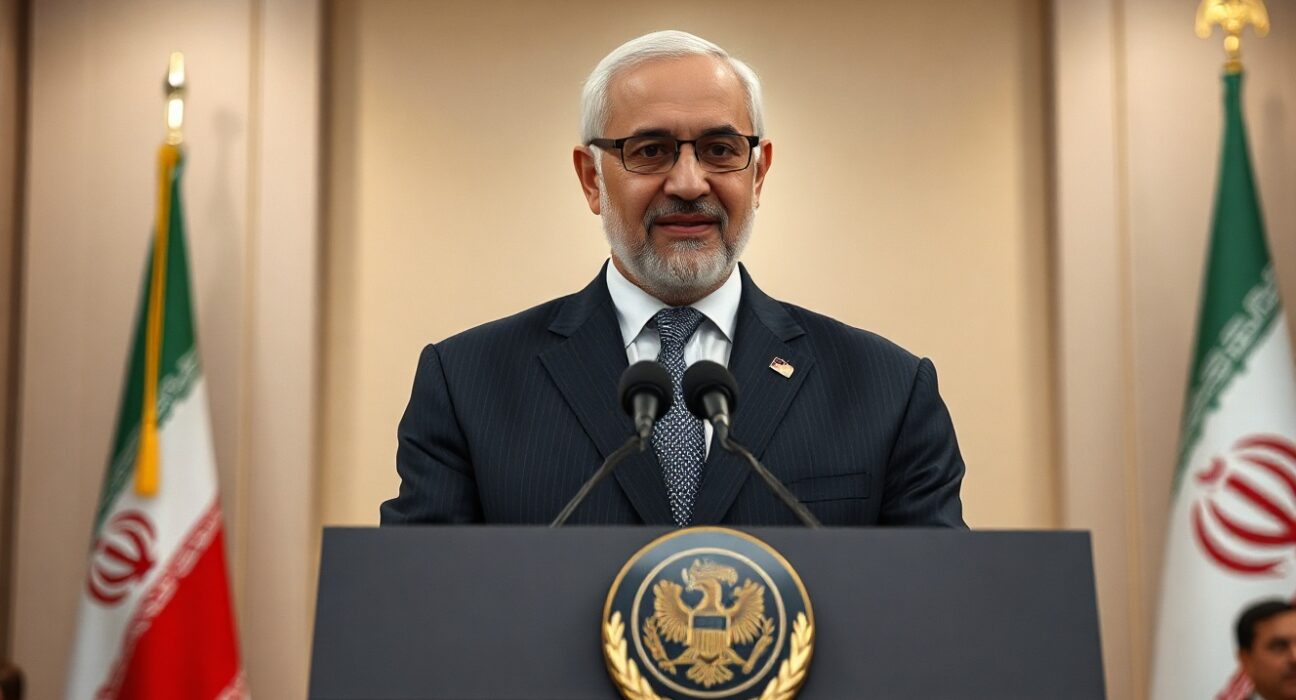
Iranian President Masoud Pezeshkian has firmly ruled out any negotiations concerning the country’s ballistic missile program, signaling a continuation of Tehran’s longstanding defense policy amid renewed international pressure. Speaking during a press conference in Tehran, Pezeshkian emphasized that Iran’s missile capabilities are non-negotiable, framing them as a core component of national security and deterrence.
Context and Background
The statement comes at a time when Western powers, particularly the United States and European Union, have intensified calls for Iran to curb its ballistic missile development as part of broader nuclear talks. Since the collapse of the 2015 Joint Comprehensive Plan of Action (JCPOA), Iran has expanded its missile arsenal, including long-range systems capable of reaching regional adversaries and beyond. Pezeshkian’s remarks align with the position of Supreme Leader Ayatollah Ali Khamenei, who has consistently rejected external demands to limit Iran’s missile program, describing it as a red line.
Implications for Regional Security
Iran’s refusal to negotiate its missile program complicates ongoing diplomatic efforts to restore the nuclear deal and de-escalate tensions in the Middle East. Regional stakeholders, including Saudi Arabia, Israel, and Gulf states, view Iran’s missile capabilities as a direct threat to their security. The United States has maintained sanctions targeting Iran’s missile-related entities, while Israel has reportedly conducted covert operations to disrupt the program. Pezeshkian’s stance suggests that any future agreement will likely exclude the missile dossier, potentially prolonging instability.
Economic and Diplomatic Impact
The decision also carries economic consequences. Iran faces continued sanctions that have crippled its economy, and the missile program remains a key sticking point in negotiations with the International Atomic Energy Agency (IAEA) and Western governments. By refusing to discuss missiles, Tehran risks further isolation, though it may also strengthen its bargaining position domestically by appealing to nationalist sentiments. Analysts note that Pezeshkian’s administration, which came to power on a platform of engagement, now faces a delicate balance between internal hardliner expectations and external diplomatic pressure.
Conclusion
Pezeshkian’s unequivocal rejection of missile negotiations underscores the deep divisions between Iran and the West on core security issues. While diplomatic channels remain open, the ballistic missile program is likely to remain a major obstacle to any comprehensive agreement. For now, Tehran appears determined to maintain its military autonomy, even at the cost of prolonged sanctions and regional tensions.
FAQs
Q1: Why is Iran refusing to negotiate its ballistic missile program?
Iran views its ballistic missiles as essential for national defense and deterrence, especially given regional threats and the lack of a comprehensive security framework in the Middle East. The leadership, including President Pezeshkian and Supreme Leader Khamenei, considers the program a sovereign right and a red line in any negotiations.
Q2: How does this affect the nuclear deal negotiations?
The missile program is a major sticking point in efforts to revive the JCPOA. Western powers insist on including missile limitations in any new agreement, while Iran rejects this. The impasse complicates diplomatic progress and prolongs sanctions.
Q3: What are the regional security implications?
Iran’s missile capabilities are seen as a threat by neighboring countries, including Israel, Saudi Arabia, and Gulf states. The refusal to negotiate increases the risk of military confrontation and arms races, as these nations seek to counter Iran’s growing missile arsenal.
Disclaimer: The information provided is not trading advice, Bitcoinworld.co.in holds no liability for any investments made based on the information provided on this page. We strongly recommend independent research and/or consultation with a qualified professional before making any investment decisions.
