

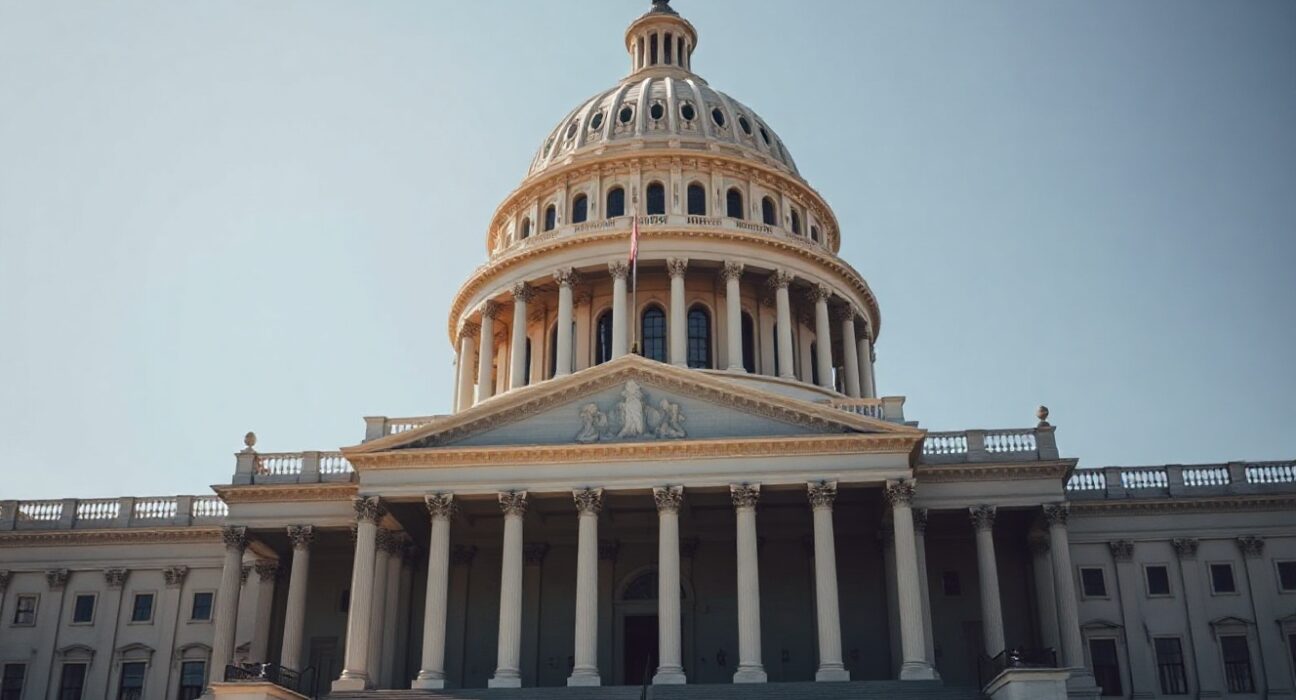
President Donald Trump abruptly canceled a planned signing ceremony for the 21st Century Housing Act on June 24, just hours before it was scheduled to take place at the U.S. Capitol, according to a report by Decrypt. The bill includes a provision that would prohibit the Federal Reserve from issuing a central bank digital currency (CBDC), a policy Trump had previously publicly supported.
Unexpected Reversal on a Key Promise
Trump had repeatedly pledged to oppose the creation of a CBDC, arguing it could lead to government overreach and financial surveillance. Given this stance, the signing of the housing bill was widely expected to proceed without incident. However, the president announced he would not sign the legislation unless Congress first passes the SAVE America Act, a Republican-backed bill aimed at preventing non-citizens from voting in federal elections.
This move effectively links the fate of the housing bill—and its CBDC ban—to a separate, politically contentious voting measure. The decision caught many lawmakers off guard, as the two pieces of legislation had not previously been tied together in public discussions.
What the 21st Century Housing Act Contains
The 21st Century Housing Act is a broad housing policy bill that includes funding for affordable housing initiatives, zoning reform incentives, and tenant protection measures. The CBDC ban provision, while a relatively small part of the overall legislation, had become a significant political symbol for those wary of a fully digital dollar.
Supporters of the ban argue it protects consumer privacy and prevents the government from having direct control over individual spending. Opponents, including some economists and financial technology experts, contend that a well-designed CBDC could modernize the payment system and improve financial inclusion for unbanked populations.
Implications for Digital Currency Policy
The cancellation throws the future of the CBDC ban into uncertainty. While Trump’s executive branch has authority over many financial regulatory matters, a legislative ban would have provided a more permanent barrier against a Federal Reserve-issued digital currency. Without the housing bill’s passage, the path forward for any CBDC-related restrictions is unclear.
The Federal Reserve has been exploring CBDC technology for years but has not committed to issuing one. The central bank has stated it would only proceed with Congressional approval, making the legislative outcome particularly relevant.
Political Calculations and Next Steps
Trump’s demand for the SAVE America Act introduces a high-stakes political dynamic. The voting bill is expected to face significant opposition from Democrats and civil rights groups, who argue it could disenfranchise eligible voters. Whether Congress can pass it quickly enough to satisfy the president’s conditions remains uncertain.
Lawmakers from both parties have expressed frustration with the linkage, as it delays progress on housing policy—a priority for many constituents facing rising costs and limited supply. The housing bill had bipartisan support in some areas, but the addition of the voting measure could fracture that coalition.
Conclusion
President Trump’s cancellation of the 21st Century Housing Act signing represents a significant shift in legislative strategy, tying a popular housing bill and its CBDC ban to a divisive voting rights measure. The move underscores the president’s prioritization of election integrity legislation and places the future of both bills in a precarious position. For now, the CBDC ban remains a legislative proposal without a clear path to enactment, while the housing provisions sought by many Americans hang in the balance.
FAQs
Q1: Why did Trump cancel the signing of the housing bill?
President Trump canceled the signing because he wants Congress to first pass the SAVE America Act, a bill aimed at preventing non-citizens from voting. He is using the housing bill as leverage to advance this voting legislation.
Q2: What is the CBDC ban in the housing bill?
The CBDC ban is a provision within the 21st Century Housing Act that would prohibit the Federal Reserve from issuing a central bank digital currency. It was included to address concerns about government surveillance and financial privacy.
Q3: What happens to the CBDC ban now?
The future of the CBDC ban is uncertain. It is tied to the housing bill, which has been put on hold. Without the bill’s passage, there is no immediate legislative barrier to a Federal Reserve-issued digital currency, though the Fed has stated it would not proceed without Congressional approval.
Disclaimer: The information provided is not trading advice, Bitcoinworld.co.in holds no liability for any investments made based on the information provided on this page. We strongly recommend independent research and/or consultation with a qualified professional before making any investment decisions.
