

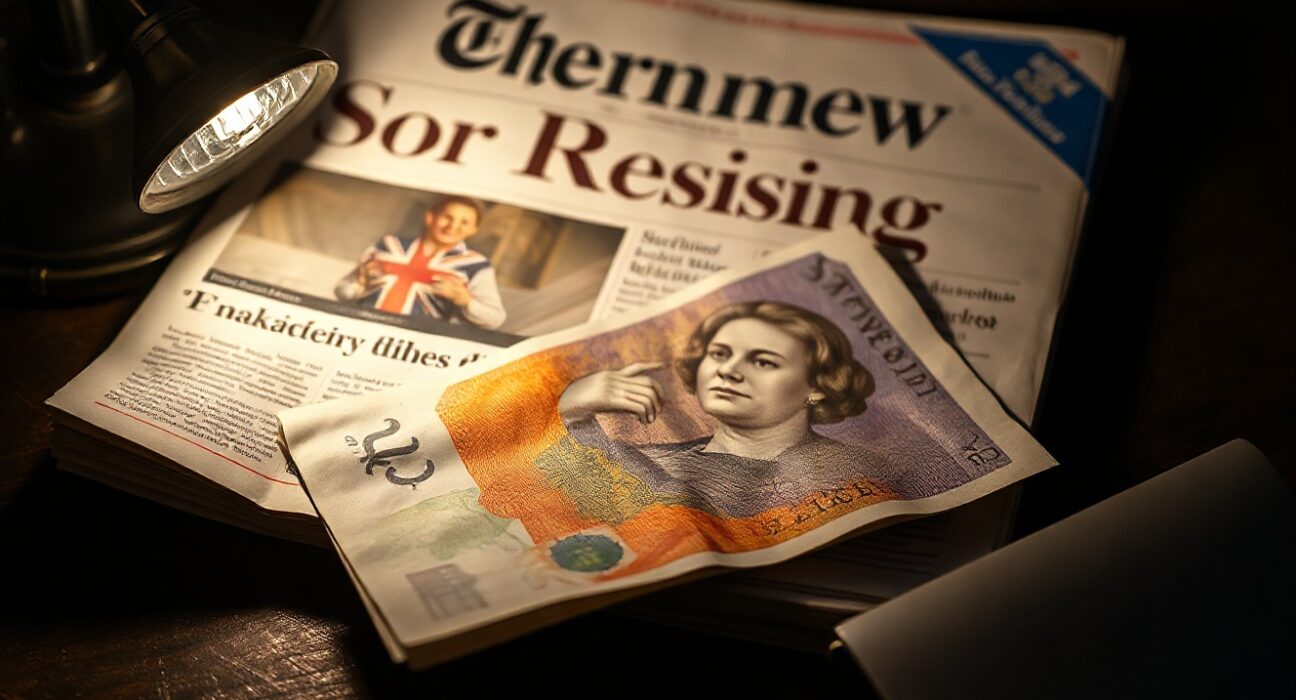
The British pound weakened against major currencies on Monday following the unexpected resignation of UK Prime Minister Keir Starmer, adding a fresh layer of political uncertainty to an already fragile economic outlook. Sterling fell by as much as 1.2% against the US dollar in early trading, touching its lowest level in three weeks, before recovering slightly as traders assessed the implications of a sudden leadership vacuum.
Political Shock Waves Hit Currency Markets
Starmer’s resignation, announced late Sunday, caught markets off guard. While the Prime Minister’s approval ratings had been under pressure in recent months, few analysts had anticipated an immediate departure. The move has triggered a leadership contest within the Labour Party, creating a period of political instability that typically weighs on a nation’s currency.
Currency traders often react negatively to sudden political change, as it introduces uncertainty over fiscal policy, trade negotiations, and regulatory direction. The pound’s decline reflects those concerns, with investors moving toward safe-haven assets such as the US dollar and Swiss franc. The FTSE 100 also opened lower, though losses were more contained as many of its constituents generate revenue internationally.
Market Reaction and Trading Activity
Volume in GBP/USD trading surged in the first hour after the news broke, with some platforms reporting a 40% increase in activity compared to the same period last week. The initial drop took the pair below the key psychological level of 1.25, a threshold that has acted as both support and resistance in recent months.
Sterling also fell against the euro, though the move was less pronounced, suggesting the market is pricing in a greater risk premium specifically tied to UK political developments rather than a broad shift in risk appetite. The euro has itself been under pressure from ongoing concerns about Eurozone growth.
What This Means for Consumers and Businesses
For UK consumers, a weaker pound makes imported goods more expensive, particularly food, fuel, and electronics. This could add to inflationary pressures at a time when the Bank of England is still grappling with above-target inflation. Businesses that rely on imported raw materials may face higher costs, potentially squeezing margins or leading to price increases for customers.
On the positive side, exporters and companies that earn revenue in foreign currencies may benefit from the weaker pound, as their overseas earnings translate into more sterling. The tourism sector could also see a boost, as a cheaper pound makes the UK a more attractive destination for international visitors.
Outlook and Key Factors to Watch
The immediate focus for markets is the timeline and outcome of the Labour Party leadership contest. A swift and orderly transition could limit the downside for sterling, while a prolonged or contested process could deepen the sell-off. Additionally, any signals from the new leader regarding fiscal policy, particularly around spending and taxation, will be closely scrutinized.
The Bank of England’s next monetary policy meeting is also on the horizon, and the central bank will need to weigh the impact of political uncertainty against its inflation mandate. A sustained drop in the pound could complicate its task by adding to import price pressures.
Conclusion
The British pound’s decline following Starmer’s resignation underscores the sensitivity of currency markets to political stability. While the initial reaction has been sharp, the longer-term trajectory will depend on how quickly the political situation stabilizes and what policy direction the new leadership takes. For now, investors are pricing in a higher risk premium on UK assets, and the pound may remain under pressure until greater clarity emerges.
FAQs
Q1: Why does a prime minister’s resignation affect the currency?
A: Political leadership changes create uncertainty about future economic policy, which can reduce investor confidence. Currencies often weaken during periods of political instability as investors seek safer assets.
Q2: How long could the pound remain under pressure?
A: The duration depends on how quickly a new leader is chosen and what policy direction they signal. If the transition is smooth and market-friendly, the pound could stabilize within weeks. A prolonged contest or radical policy shifts could extend the weakness.
Q3: What should UK consumers expect from a weaker pound?
A: Imported goods, including food, fuel, and electronics, may become more expensive. This could contribute to higher inflation. However, exporters and tourism may benefit from a more competitive exchange rate.
Disclaimer: The information provided is not trading advice, Bitcoinworld.co.in holds no liability for any investments made based on the information provided on this page. We strongly recommend independent research and/or consultation with a qualified professional before making any investment decisions.
