

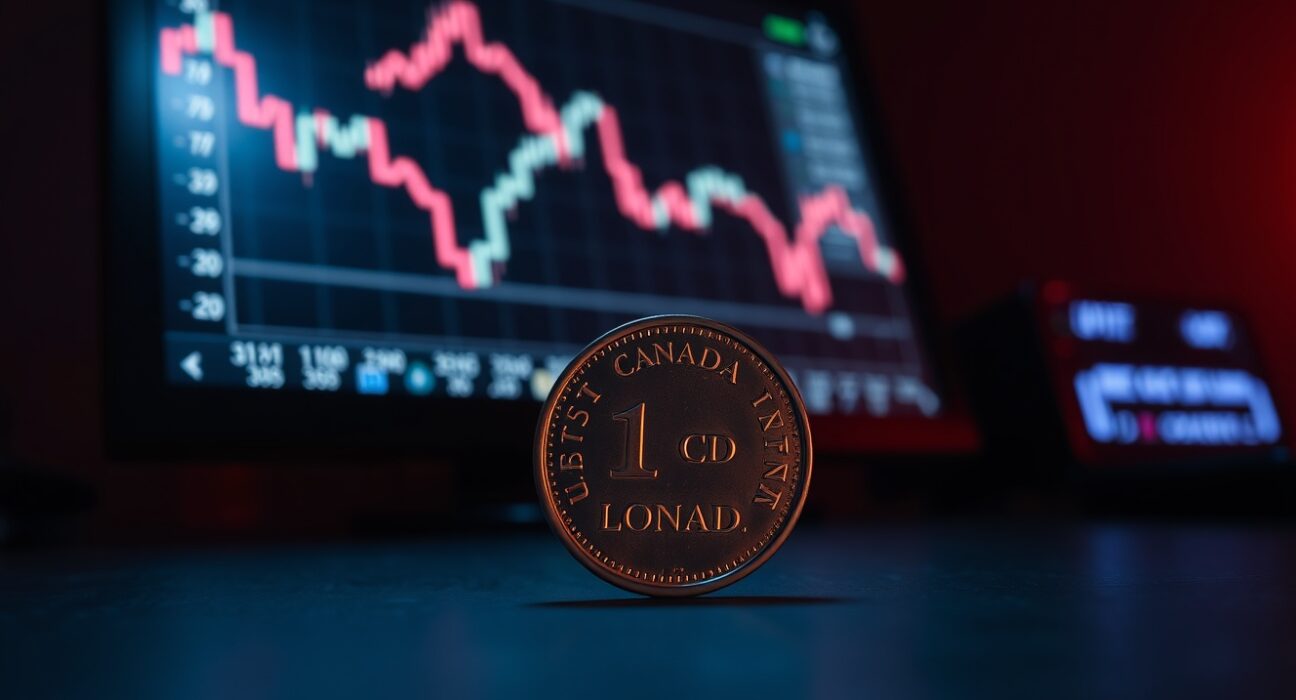
The Canadian dollar has weakened to its lowest level in 14 months against its U.S. counterpart, pressured by a potent combination of resurgent expectations for Federal Reserve interest rate hikes and a sustained decline in global crude oil prices. The loonie, as the currency is commonly known, has been caught in a crosscurrent of domestic economic headwinds and shifting global monetary policy dynamics.
Fed Rate Hike Expectations Reshape Currency Markets
The primary driver behind the loonie’s recent slide is the strengthening U.S. dollar, which has been buoyed by a series of robust economic data releases. Stronger-than-expected U.S. employment figures and persistent inflation readings have forced markets to re-evaluate the timeline for potential Fed rate cuts. Instead, traders are now pricing in a higher probability of additional rate hikes, or at least a longer period of elevated interest rates. This has widened the interest rate differential between the U.S. and Canada, making the greenback a more attractive investment. The USD/CAD pair, which measures the value of one U.S. dollar in Canadian dollars, has broken through key technical resistance levels, signaling further potential upside for the U.S. currency.
Crude Oil’s Plunge Undermines Commodity-Linked Loonie
Compounding the pressure from a stronger U.S. dollar is the sharp drop in crude oil prices. As a major exporter of oil, Canada’s economic fortunes are closely tied to the energy sector. When oil prices fall, the Canadian dollar typically follows suit. The recent decline in crude, driven by concerns over global demand weakness, particularly from China, and signs of increasing supply from non-OPEC producers, has removed a key pillar of support for the loonie. The correlation between the Canadian dollar and oil prices has been particularly strong in recent weeks, amplifying the currency’s losses.
What This Means for Businesses and Consumers
A weaker Canadian dollar has immediate and tangible consequences. For Canadian consumers, it means higher prices for imported goods, from electronics to fresh produce, adding another layer to the country’s inflation challenges. For businesses that rely on cross-border trade, it creates a mixed picture. Exporters, particularly those in sectors outside of energy, may find their goods more competitive in U.S. markets. Conversely, Canadian companies that import raw materials or finished products will see their costs rise. The travel and tourism sector could see a boost as the weaker loonie makes Canada a more affordable destination for American tourists, while Canadians planning vacations to the U.S. will find their purchasing power significantly reduced.
Conclusion
The Canadian dollar’s descent to 14-month lows reflects a challenging macroeconomic environment. The combination of a hawkish Federal Reserve and a softening oil market is a formidable headwind that is unlikely to dissipate quickly. While the Bank of Canada has its own inflation concerns to manage, the primary driver for the loonie’s direction in the near term will likely remain the relative strength of the U.S. economy and the path of crude oil prices. Market participants will be closely watching upcoming Canadian GDP data and the Bank of Canada’s next policy decision for any signs of a shift in domestic economic momentum that could offer the loonie some reprieve.
FAQs
Q1: What is the main reason for the Canadian dollar’s weakness?
A1: The primary reason is the strengthening U.S. dollar due to expectations that the Federal Reserve will keep interest rates high or hike further. This is compounded by falling global crude oil prices, which hurt Canada’s export revenues.
Q2: How does a weak Canadian dollar affect me?
A2: It makes imported goods more expensive, potentially increasing inflation. It also makes travel to the U.S. more costly for Canadians, but can boost exports and attract more American tourists to Canada.
Q3: Will the Canadian dollar recover soon?
A3: A recovery depends on two key factors: a shift in Fed policy towards rate cuts or a sustained rebound in oil prices. Neither appears imminent, suggesting the loonie may remain under pressure in the near term.
Disclaimer: The information provided is not trading advice, Bitcoinworld.co.in holds no liability for any investments made based on the information provided on this page. We strongly recommend independent research and/or consultation with a qualified professional before making any investment decisions.
