

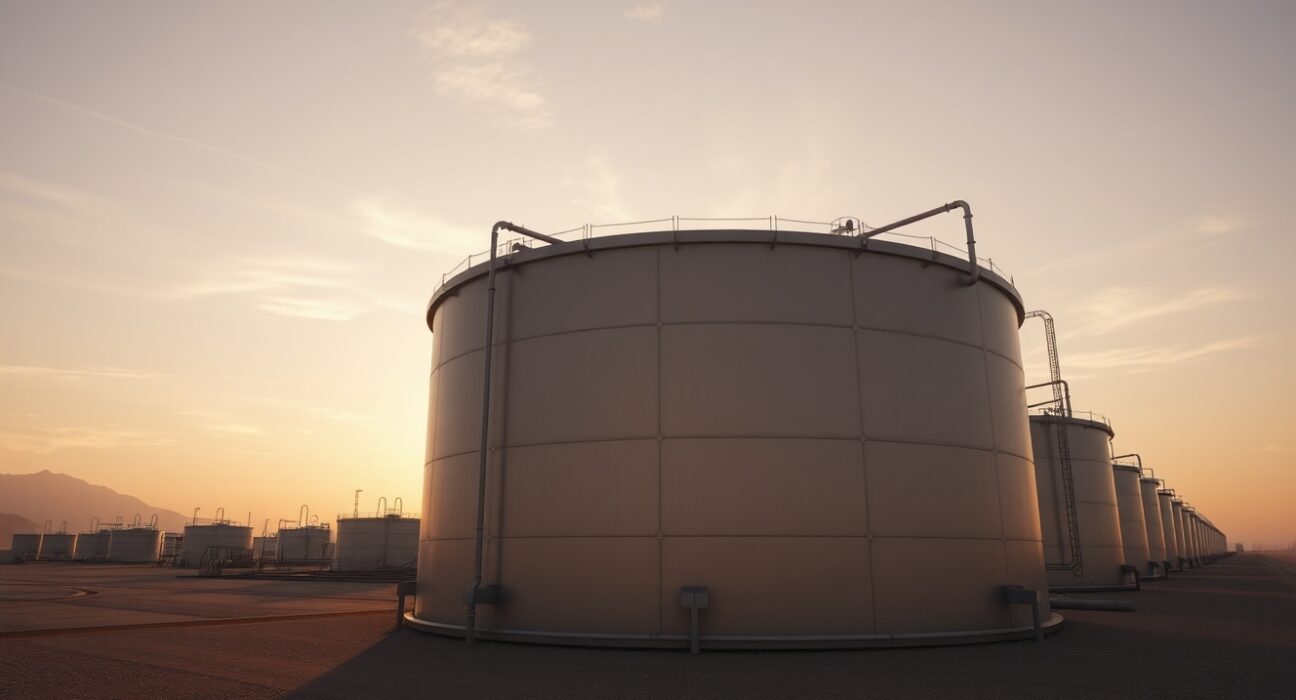
West Texas Intermediate (WTI) crude oil futures slipped toward the $69.00 per barrel mark on Tuesday, extending recent losses as market participants reassessed the likelihood of significant supply disruptions from the Middle East. The decline reflects a shift in sentiment following reports that diplomatic channels remain active, reducing the immediate risk of a supply shock that had briefly pushed prices higher earlier in the month.
Supply Risk Premium Fading
The recent pullback in WTI prices is largely attributed to a diminishing geopolitical risk premium. While tensions in the Middle East remain a persistent undercurrent, traders are increasingly pricing in the possibility that major production zones will avoid direct conflict. This recalibration has been driven by cautious statements from regional officials and a lack of tangible supply interruptions from key producers.
Data from the Energy Information Administration (EIA) also showed that U.S. crude inventories rose more than expected last week, adding further downward pressure. Stockpiles increased by 3.5 million barrels, surpassing analyst forecasts of a 1.2 million barrel build, signaling ample near-term supply in the world’s largest consumer market.
OPEC+ Strategy Under Scrutiny
The Organization of the Petroleum Exporting Countries and its allies (OPEC+) are scheduled to meet later this quarter to discuss production targets for the remainder of the year. The group’s current output cuts have been a key support for prices, but speculation is growing that some members may push for a gradual unwinding of these curbs as global demand growth shows signs of softening.
Analysts at major investment banks have noted that the cartel faces a delicate balancing act. Holding production cuts too long could accelerate market share losses to non-OPEC producers like the United States, while easing too quickly could flood a market already contending with tepid demand from China, the world’s largest crude importer.
Impact on Traders and Consumers
For short-term traders, the $69 level represents a critical technical support zone. A sustained break below this threshold could open the door to a test of the $67 handle, a level not seen since early February. Conversely, any renewed geopolitical flare-up or a surprise output decision from OPEC+ could quickly reverse the current downtrend.
For consumers, lower oil prices typically translate to reduced costs at the pump, though the pass-through effect can be delayed by refining margins and local distribution costs. The recent slide in crude has already contributed to a modest decline in average U.S. gasoline prices over the past week, offering some relief to households.
Conclusion
WTI crude oil’s move toward $69.00 underscores a market that is cautiously pricing out near-term supply risks while grappling with fundamental demand questions. The trajectory in the coming weeks will likely hinge on the outcome of diplomatic efforts in the Middle East and the strategic signals from OPEC+ regarding future output. Traders should remain attentive to inventory data and geopolitical headlines as the primary catalysts for the next directional move.
FAQs
Q1: Why did WTI oil prices fall below $70?
Prices fell as the market reduced its geopolitical risk premium following signs that Middle East supply disruptions are unlikely in the near term, combined with a larger-than-expected build in U.S. crude inventories.
Q2: What is the significance of the $69 level for WTI?
The $69 level is a key technical support zone. A sustained break below it could lead to further declines toward $67, while a bounce from this level might signal renewed buying interest.
Q3: How might OPEC+ decisions affect oil prices?
OPEC+’s upcoming meeting will be crucial. If the group decides to extend production cuts, it could support prices. If they signal plans to increase output, it could add downward pressure on an already softening market.
Disclaimer: The information provided is not trading advice, Bitcoinworld.co.in holds no liability for any investments made based on the information provided on this page. We strongly recommend independent research and/or consultation with a qualified professional before making any investment decisions.
