

The Polish Zloty continues to face headwinds against the Euro, with analysts at ING pointing to the National Bank of Poland’s (NBP) persistently dovish monetary policy as a key factor weighing on the currency. In a recent market note, ING strategists highlighted that the NBP’s reluctance to signal a tightening cycle, despite elevated inflation, is limiting the Zloty’s ability to recover against the Euro.
Dovish NBP Signals Dampen Zloty Appeal
The NBP has maintained its benchmark interest rate at 5.75% since October 2023, a stance that ING describes as increasingly out of step with other central banks in the region. While the Czech National Bank and the Hungarian Central Bank have either held rates steady or signaled potential hikes, the NBP’s communication has emphasized the need to support economic growth, even as headline inflation remains above the 1.5%-3.5% target band. ING notes that this divergence is making the Zloty less attractive to yield-seeking investors, particularly as the European Central Bank (ECB) maintains a cautious but less accommodative posture.
EUR/PLN Outlook: Resistance and Support Levels
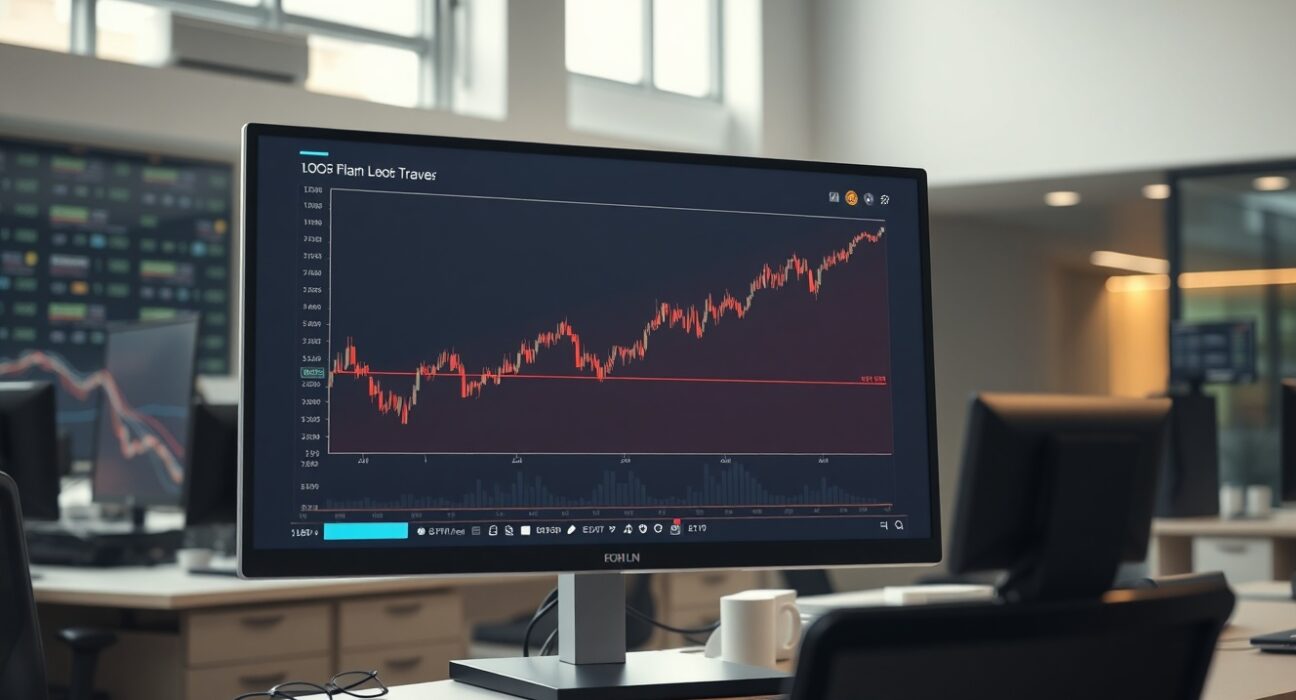
From a technical perspective, the EUR/PLN pair has been trading in a tight range near 4.30, with ING identifying strong resistance at 4.35 and support at 4.25. The analysts argue that a break above 4.35 could signal further weakness for the Zloty, potentially pushing the pair toward 4.40, if the NBP fails to adjust its messaging in the coming months. Conversely, any hawkish surprise from the NBP, such as a change in forward guidance, could trigger a sharp reversal, driving the pair below 4.20.
Market Implications for Traders and Importers
For forex traders, the current environment suggests a cautious approach to long Zloty positions. The carry trade advantage of holding Zloty-denominated assets is eroding as the NBP’s dovishness contrasts with higher yields available in other emerging markets. Polish importers, particularly those paying for energy and raw materials in Euros, face continued cost pressure, as a weaker Zloty increases the price of foreign goods. Exporters, however, may benefit from improved competitiveness in Eurozone markets.
Broader Regional Context
The Zloty’s performance is also influenced by broader Central and Eastern European (CEE) dynamics. The region’s currencies have generally struggled against the Euro in 2024, as a stronger global dollar and uncertainty over ECB policy weigh on sentiment. However, ING emphasizes that the NBP’s domestic policy choices are the primary driver for the Zloty, rather than external factors alone. The bank’s next monetary policy meeting, scheduled for early next month, will be closely watched for any shift in language.
Conclusion
ING’s analysis underscores that the Polish Zloty’s near-term trajectory hinges on the NBP’s willingness to address inflation more aggressively. Until the central bank signals a credible path toward rate normalization, the Zloty is likely to remain under pressure against the Euro. Traders and businesses with exposure to the currency should monitor NBP communications and inflation data closely for potential turning points.
FAQs
Q1: Why is the NBP considered dovish?
The NBP has kept interest rates unchanged since October 2023 and has signaled a preference for supporting economic growth over aggressively fighting inflation, which is above its target.
Q2: How does the NBP’s stance affect the Polish Zloty?
A dovish NBP makes the Zloty less attractive to foreign investors seeking higher yields, leading to downward pressure on the currency against the Euro and other major currencies.
Q3: What could change the outlook for the Zloty?
A hawkish shift in NBP communication, such as hints of future rate hikes or a more assertive stance on inflation, could strengthen the Zloty. Conversely, continued dovishness or a worsening economic outlook would likely keep it weak.
Disclaimer: The information provided is not trading advice, Bitcoinworld.co.in holds no liability for any investments made based on the information provided on this page. We strongly recommend independent research and/or consultation with a qualified professional before making any investment decisions.
