

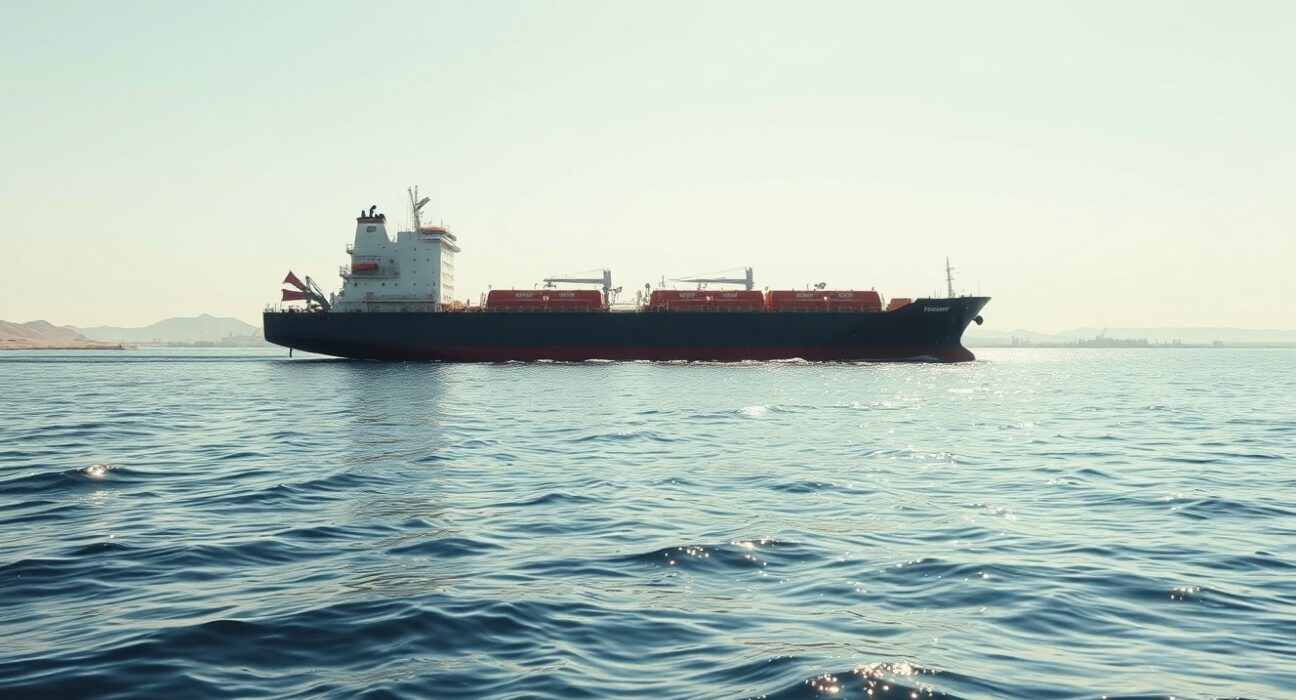
West Texas Intermediate (WTI) crude oil futures edged higher on Wednesday, recovering from earlier losses as traders turned their attention to fresh geopolitical developments in the Strait of Hormuz. The strategic waterway, through which roughly one-fifth of the world’s oil passes, has once again become a focal point for supply disruption risks.
Geopolitical Risk Returns to the Fore
The rebound in WTI prices follows reports of increased naval activity and heightened rhetoric involving regional powers near the Strait of Hormuz. While no direct blockade or major incident has been confirmed, market participants are pricing in a higher probability of temporary disruptions to tanker traffic. Historically, even the threat of instability in this chokepoint has been enough to inject a risk premium into crude benchmarks.
Analysts note that the market had largely shrugged off geopolitical risks in recent weeks, focusing instead on demand-side concerns and rising U.S. inventories. However, the latest signals from the region have prompted a reassessment, with some traders covering short positions and adding hedges against a potential supply squeeze.
Market Context and Technical Levels
Prior to the geopolitical headlines, WTI had been under pressure due to a stronger U.S. dollar and disappointing economic data from key importing nations. The rebound, however, pushed prices back above the $78 per barrel mark, a level that has acted as both support and resistance in recent trading sessions.
Traders are now watching for any official statements from shipping insurers or regional maritime authorities. A formal advisory or change in transit risk premiums could trigger a more sustained move higher. On the downside, if tensions de-escalate without incident, the market could quickly revert to focusing on fundamentals, including the upcoming OPEC+ meeting and U.S. inventory data.
Why This Matters for Energy Markets
The Strait of Hormuz is not merely a symbolic flashpoint; it is a critical artery for global energy security. Any sustained disruption—even a short-term one—can have cascading effects on refined product prices, shipping costs, and energy inflation globally. For consumers, this translates into potential volatility at the pump. For investors, it underscores the importance of monitoring geopolitical risk as a key variable in crude oil price forecasting.
Conclusion
WTI’s rebound reflects a market that remains sensitive to geopolitical shocks, even as it grapples with broader economic headwinds. The situation in the Strait of Hormuz is fluid, and while no immediate crisis has materialized, the renewed attention serves as a reminder of the fragile balance in global oil supply chains. Traders and analysts alike will be watching for further developments in the hours and days ahead.
FAQs
Q1: Why is the Strait of Hormuz important for oil prices?
The Strait of Hormuz is a narrow waterway between Oman and Iran through which approximately 20% of the world’s oil passes. Any disruption to tanker traffic there can directly impact global crude supply and prices.
Q2: What caused WTI to rebound today?
The rebound was driven by fresh geopolitical concerns in the Strait of Hormuz, which led traders to reassess supply risk and cover short positions, offsetting earlier pressure from a strong dollar and demand worries.
Q3: Could this lead to a sustained rally in crude oil?
A sustained rally depends on whether tensions escalate into actual disruptions. If the situation remains a standoff without physical impact on tanker traffic, the risk premium may fade quickly. However, any confirmed incident could drive prices significantly higher.
Disclaimer: The information provided is not trading advice, Bitcoinworld.co.in holds no liability for any investments made based on the information provided on this page. We strongly recommend independent research and/or consultation with a qualified professional before making any investment decisions.
