

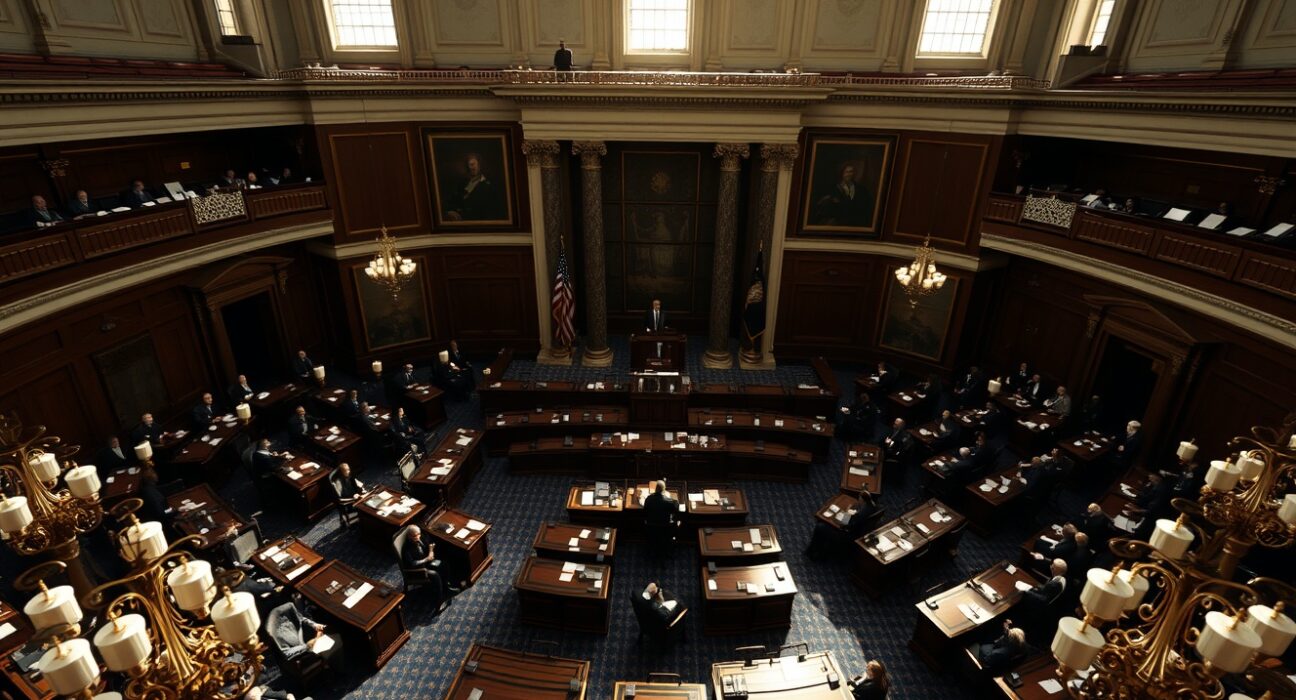
U.S. Senator Cynthia Lummis, a prominent advocate for cryptocurrency regulation, has announced her intention to bring the Clarity Act to a Senate vote by July 2026. Speaking with Fox Business, the Wyoming Republican outlined a tight legislative timeline, warning that missing the July window could delay the bill until 2030.
What the Clarity Act Proposes
The Clarity Act aims to establish a federal regulatory framework for digital assets, addressing long-standing ambiguities in how cryptocurrencies are classified and overseen. The bill seeks to delineate the roles of the Securities and Exchange Commission (SEC) and the Commodity Futures Trading Commission (CFTC), providing clearer rules for issuers, exchanges, and investors. Lummis has framed the legislation as essential for fostering innovation while protecting consumers.
Political Hurdles and Timeline
For the Clarity Act to pass, it must secure at least seven Democratic votes in the Senate, according to a report by CryptoSlate. The bill would need to be brought to the floor during the July session, a period that typically sees reduced activity due to the Independence Day recess. Lummis acknowledged the challenge, emphasizing that bipartisan support is critical. Failure to advance the bill this summer, she warned, could push the legislation into the next decade, as political attention shifts to other priorities.
Why This Matters for the Crypto Industry
The timeline for the Clarity Act carries significant implications for the digital asset market. Regulatory uncertainty has been a persistent barrier to mainstream adoption, with businesses and investors operating in a legal gray area. A clear federal framework could unlock institutional investment and spur innovation, while further delays risk driving companies overseas or into more fragmented state-level regulations. The July vote represents a pivotal moment for U.S. crypto policy.
Conclusion
Senator Lummis’s push for a July vote on the Clarity Act underscores the urgency of establishing a coherent regulatory environment for cryptocurrencies. With bipartisan support needed and a narrow legislative window, the outcome will have lasting effects on the industry’s trajectory in the United States. The coming weeks will be critical as lawmakers negotiate the bill’s final language.
FAQs
Q1: What is the Clarity Act?
The Clarity Act is a proposed U.S. federal law that would define the regulatory framework for digital assets, clarifying which government agencies oversee cryptocurrencies and setting rules for market participants.
Q2: Why is a July vote critical?
Sen. Lummis has stated that if the bill does not pass the Senate in July 2026, it could be delayed until 2030 due to shifting political priorities and the legislative calendar.
Q3: How many Democratic votes are needed?
According to reports, the Clarity Act requires at least seven Democratic senators to vote in favor to pass the Senate, given the current political composition.
Disclaimer: The information provided is not trading advice, Bitcoinworld.co.in holds no liability for any investments made based on the information provided on this page. We strongly recommend independent research and/or consultation with a qualified professional before making any investment decisions.
