

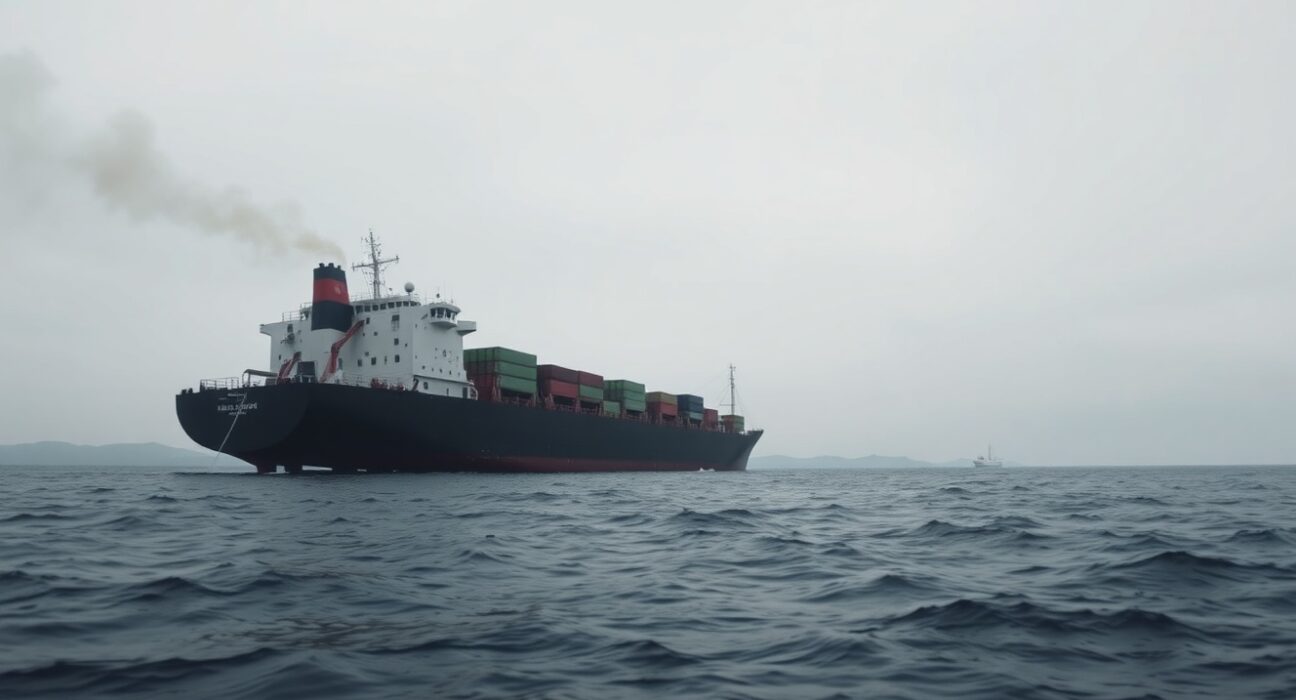
The International Maritime Organization (IMO), a specialized agency of the United Nations, has temporarily suspended its contingency plan for the evacuation of commercial vessels from the Strait of Hormuz. The decision comes in the immediate aftermath of an attack on a cargo ship transiting the strategic waterway, raising fresh concerns about the safety of one of the world’s most critical maritime chokepoints.
Background and Immediate Trigger
The IMO’s evacuation plan, developed over several months in coordination with regional navies and shipping operators, was designed to facilitate the safe passage of merchant vessels in the event of a major security escalation. The plan’s activation was considered a last-resort measure to prevent a humanitarian and economic crisis in the event of a blockade or widespread hostilities.
However, the attack on the unnamed cargo ship, which occurred in the northern approaches to the Strait, has prompted an urgent reassessment. Preliminary reports indicate the vessel was struck by an unidentified projectile, causing a fire that was later brought under control. No casualties have been confirmed, but the incident has significantly heightened tensions in the region.
Strategic Importance of the Strait of Hormuz
The Strait of Hormuz connects the Persian Gulf with the Gulf of Oman and the Arabian Sea. Approximately one-fifth of the world’s total oil consumption passes through this narrow channel daily, along with a substantial volume of liquefied natural gas (LNG) and other commercial goods. Any prolonged disruption to shipping through the Strait would have immediate and severe consequences for global energy markets, supply chains, and regional economies.
Maritime security analysts have long warned that the Strait is a potential flashpoint. Previous incidents, including the 2019 attacks on tankers near Fujairah and the 2021 seizure of the MT Asphalt Princess, have demonstrated the vulnerability of commercial shipping to asymmetric threats.
Implications for Global Trade and Energy Security
The suspension of the IMO’s evacuation plan does not mean that shipping through the Strait has stopped, but it introduces a new layer of uncertainty. Insurance premiums for vessels transiting the region are expected to rise, and some shipping lines may consider rerouting, adding weeks to voyage times and increasing costs.
Energy markets are closely watching the situation. While oil prices have not yet spiked dramatically, traders are factoring in a higher risk premium. The longer the uncertainty persists, the greater the potential for supply disruptions, particularly if major shipping firms impose temporary bans on transits.
Conclusion
The IMO’s decision to pause its evacuation plan reflects the volatile and unpredictable nature of the security environment in the Strait of Hormuz. The attack on the cargo ship serves as a stark reminder of the risks facing commercial maritime traffic in the region. As investigations continue and diplomatic channels remain active, the global community must brace for potential disruptions to one of the world’s most vital trade arteries.
FAQs
Q1: What is the Strait of Hormuz, and why is it important?
The Strait of Hormuz is a narrow waterway between Oman and Iran that connects the Persian Gulf to the open ocean. It is a critical chokepoint for global oil and gas shipments, with about 20% of the world’s petroleum passing through it daily.
Q2: What does the IMO’s evacuation plan involve?
The plan was a coordinated framework to safely evacuate commercial vessels and crews from the Strait of Hormuz in the event of a major security crisis, involving naval escorts and designated safe corridors.
Q3: How might this affect global oil prices?
While immediate price spikes have been limited, prolonged uncertainty or further attacks could lead to significant increases due to higher insurance costs, potential rerouting of tankers, and supply disruption fears.
Disclaimer: The information provided is not trading advice, Bitcoinworld.co.in holds no liability for any investments made based on the information provided on this page. We strongly recommend independent research and/or consultation with a qualified professional before making any investment decisions.
