

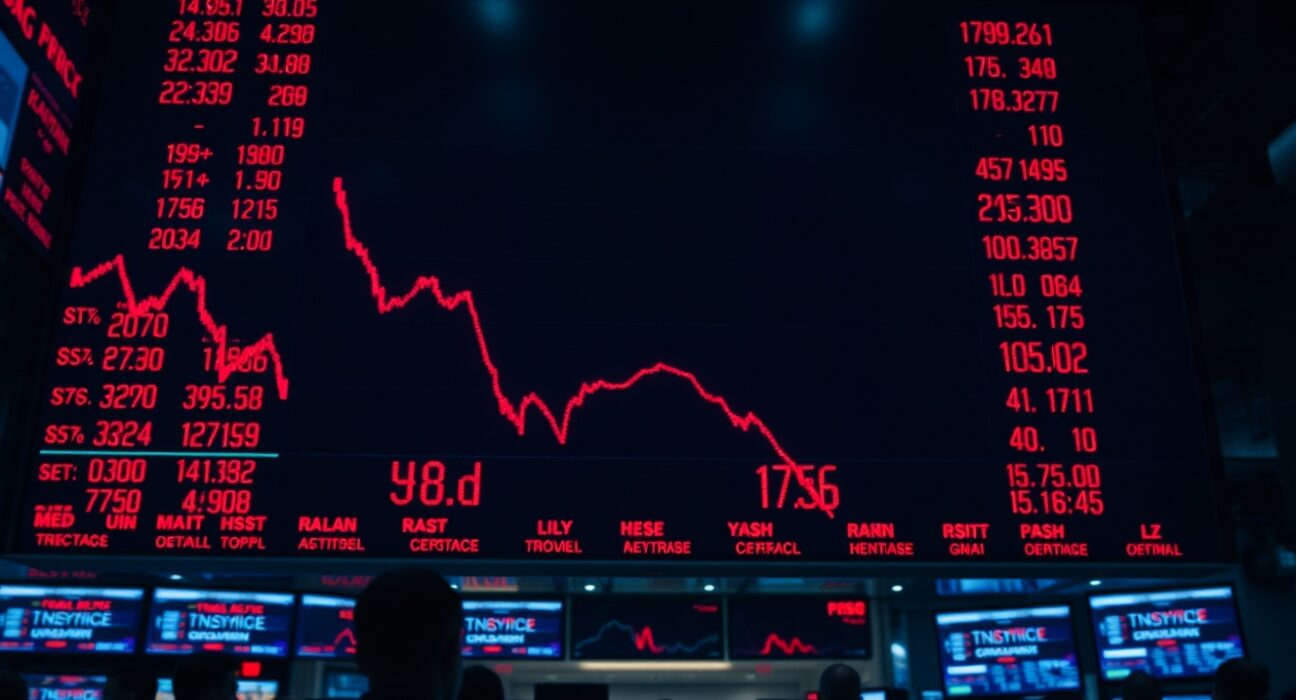
Dow Jones Industrial Average futures fell in early trading Monday, pressured by mounting anxieties over rising energy costs and escalating geopolitical tensions in key global regions. The decline signals a cautious start to the trading week as investors reassess risk exposure.
Energy Costs Drive Pre-Market Caution
The primary catalyst for the downturn appears to be a fresh surge in crude oil prices, which have climbed amid renewed supply concerns. Traders are closely watching developments in the Middle East, where diplomatic efforts have stalled, and in Eastern Europe, where ongoing conflict continues to disrupt energy supply chains. Higher energy costs are widely seen as a tax on economic growth, raising input costs for businesses and squeezing consumer spending power.
Geopolitical Uncertainty Adds to Market Volatility
Beyond energy, a broader landscape of geopolitical uncertainty is contributing to the risk-off sentiment. Investors are grappling with the implications of new sanctions, shifting trade alliances, and the potential for further escalation in existing conflicts. This environment typically drives capital away from equities and into perceived safe-haven assets like gold and U.S. Treasury bonds, which have seen corresponding price increases.
What This Means for Investors
For retail and institutional investors alike, the current market dynamics suggest a period of heightened volatility ahead. The combination of persistent inflation pressures from energy and the unpredictable nature of geopolitical events makes near-term market forecasting particularly challenging. Analysts recommend focusing on portfolio diversification and maintaining a long-term perspective, rather than reacting to daily fluctuations driven by headlines.
Conclusion
The slide in Dow Jones futures reflects a market recalibrating to a reality of higher energy prices and elevated geopolitical risk. While the extent of the day’s losses will depend on intraday developments, the underlying anxieties are unlikely to dissipate quickly. Market participants should remain informed and prepared for continued swings as the situation evolves.
FAQs
Q1: Why do Dow Jones futures fall when energy prices rise?
Higher energy prices increase operating costs for most companies, reducing profit margins. This can lead to lower earnings expectations, which in turn drives stock prices down as investors sell shares.
Q2: How do geopolitical tensions affect the stock market?
Geopolitical tensions create uncertainty about future economic conditions, trade policies, and supply chain stability. This uncertainty often leads investors to sell riskier assets like stocks and move into safer investments, causing market declines.
Q3: Is a drop in futures a reliable indicator of how the market will close?
Futures indicate market sentiment before the opening bell, but they are not always a perfect predictor of the day’s final close. News and economic data released during the trading day can significantly alter market direction.
Frequently Asked Questions
Why did Dow Jones futures fall on Monday?
Dow futures fell due to rising energy costs and escalating geopolitical tensions, which made investors cautious and reassess risk exposure.
How are higher energy costs affecting the economy?
Higher energy costs act as a tax on economic growth by raising business input costs and squeezing consumer spending power.
What geopolitical factors are contributing to market volatility?
Investors are worried about stalled diplomatic efforts in the Middle East, ongoing conflict in Eastern Europe, new sanctions, and shifting trade alliances.
Where are investors moving their money during this risk-off sentiment?
Investors are moving capital from equities into safe-haven assets like gold and U.S. Treasury bonds.
What should investors do given the current market conditions?
Analysts recommend focusing on portfolio diversification and maintaining a long-term perspective rather than reacting to daily headline-driven fluctuations.
Disclaimer: The information provided is not trading advice, Bitcoinworld.co.in holds no liability for any investments made based on the information provided on this page. We strongly recommend independent research and/or consultation with a qualified professional before making any investment decisions.
