

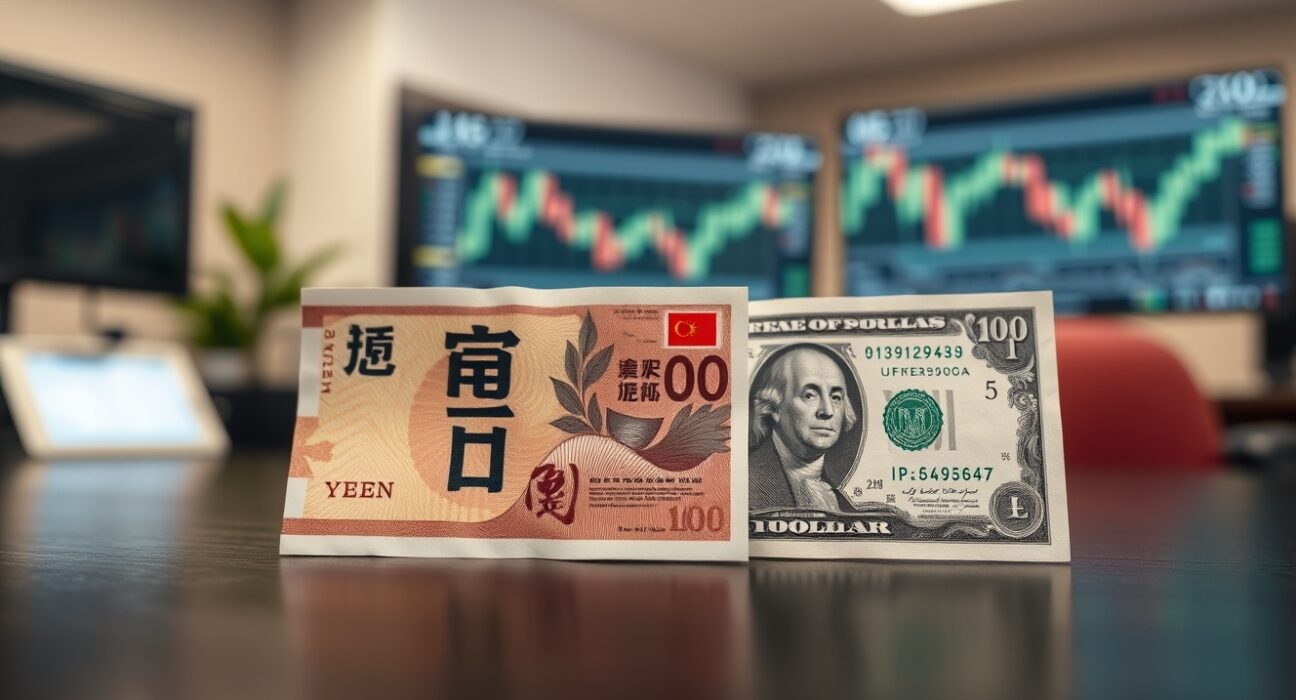
The Japanese Yen continues to trade near the psychologically significant 162.00 level against the US Dollar, keeping markets on edge for potential intervention from Tokyo. This persistent weakness comes despite a notable shift in Japan’s inflation data, which is now closing in on the Bank of Japan’s (BoJ) 2% target. The apparent contradiction between rising domestic prices and a stubbornly weak currency has left many investors questioning the effectiveness of the BoJ’s policy pivot.
The Inflation Puzzle: Closing In on the Target
Japan’s core consumer price index (CPI) has remained above the BoJ’s 2% target for well over a year, with recent readings hovering around the 2.5% to 3% range. This marks a significant departure from the deflationary era that defined the country’s economy for decades. The BoJ, under Governor Kazuo Ueda, has responded by ending its negative interest rate policy and making modest adjustments to its yield curve control framework. These steps were widely interpreted as a hawkish shift, and in theory, should support the Yen. However, the currency’s trajectory tells a different story.
The Persistent Rate Differential
The primary force keeping the Yen under pressure is the vast interest rate differential between Japan and the United States. While the BoJ has moved its short-term policy rate to a range of 0% to 0.1%, the Federal Reserve’s benchmark rate remains at 5.25% to 5.5%. This gap, exceeding 500 basis points, makes the Yen an attractive funding currency for the carry trade. Investors borrow cheaply in Yen to invest in higher-yielding USD-denominated assets, creating a constant source of selling pressure on the Japanese currency. Until this differential narrows significantly, the structural bias against the Yen is likely to persist.
Intervention: A Tactical Tool, Not a Strategic Solution
The Japanese Ministry of Finance has repeatedly intervened in the foreign exchange market, spending trillions of Yen over the past year to prop up the currency. These interventions typically occur when the USD/JPY pair makes rapid, disorderly moves beyond the 160.00 mark. While these actions can provide temporary relief and slow the pace of depreciation, they have not reversed the underlying trend. Market participants view intervention as a tactical tool to curb volatility, not a strategic solution to address the fundamental drivers of Yen weakness. The repeated need for intervention underscores the limits of unilateral action in a market driven by global macro forces.
Why the Story Matters for Investors
For global investors and businesses, the Yen’s trajectory has significant implications. A persistently weak Yen boosts the profits of Japan’s export-heavy corporations, which report earnings in Yen but generate revenue overseas. This has been a key driver of the recent rally in the Nikkei 225 index. However, it also imposes a heavy cost on Japanese households and small businesses by raising the price of imported energy, food, and raw materials. For forex traders, the 162.00 level represents a critical line in the sand. A decisive break above this level could trigger another round of intervention, creating both risks and opportunities for short-term volatility plays.
Conclusion
The Japanese Yen’s continued weakness near intervention levels, despite rising inflation, is a textbook case of the dominance of interest rate differentials in currency markets. Until the Federal Reserve begins a meaningful easing cycle or the Bank of Japan signals a much more aggressive tightening path, the structural pressure on the Yen is likely to remain. The BoJ’s policy normalization is a step in the right direction, but it is not yet sufficient to alter the fundamental balance of power in the world’s third-largest currency pair.
FAQs
Q1: Why doesn’t the Bank of Japan raise interest rates more aggressively to support the Yen?
Raising rates too quickly could destabilize Japan’s heavily indebted government and disrupt the domestic economy, which is still accustomed to ultra-low rates. The BoJ is balancing currency support against the risk of triggering a bond market crisis.
Q2: How do Japanese authorities intervene to support the Yen?
The Ministry of Finance issues orders to sell foreign currency reserves (primarily US Dollars) and buy Yen directly in the open market. The Bank of Japan executes these orders, typically during periods of low liquidity to maximize impact.
Q3: What is the carry trade, and why does it weaken the Yen?
The carry trade involves borrowing in a low-interest-rate currency (like the Yen) and investing in a higher-yielding currency (like the US Dollar). This creates constant selling pressure on the Yen, as traders must sell it to fund their investments.
Disclaimer: The information provided is not trading advice, Bitcoinworld.co.in holds no liability for any investments made based on the information provided on this page. We strongly recommend independent research and/or consultation with a qualified professional before making any investment decisions.
