

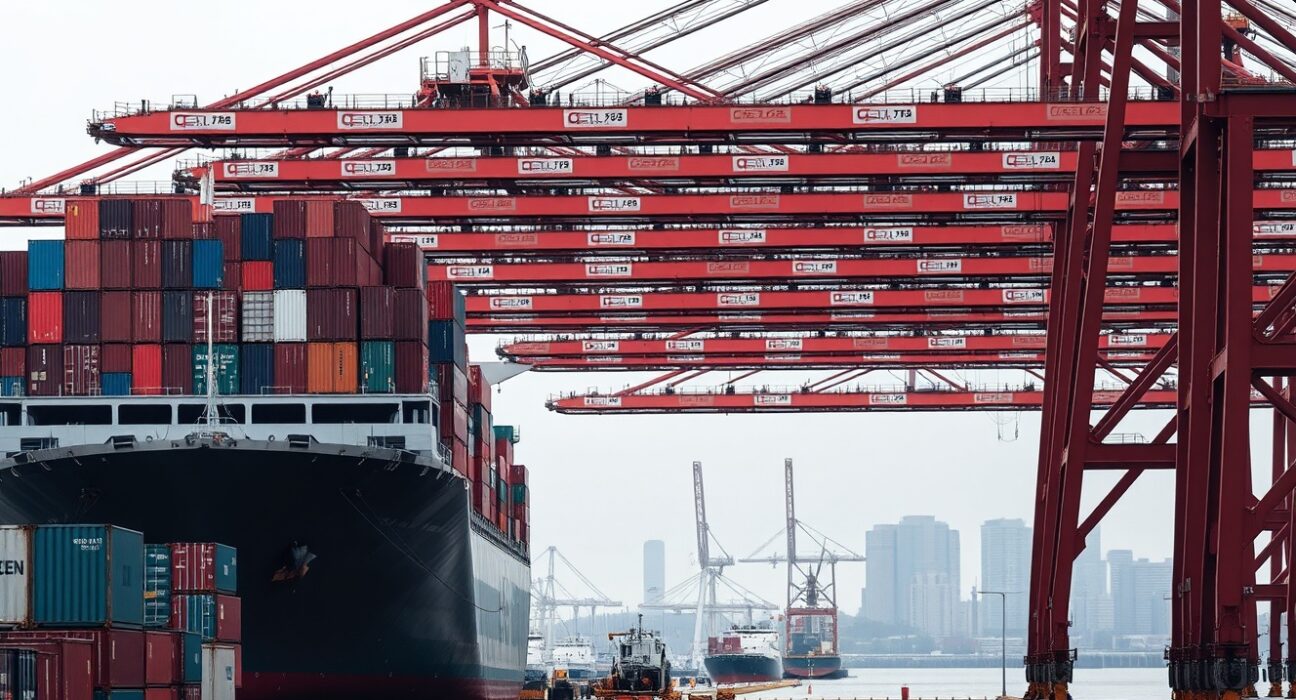
The United States goods trade balance posted a deficit of $105.8 billion in May, significantly wider than the $85 billion forecast by economists, according to data released today. The larger-than-expected shortfall signals ongoing pressures in the nation’s trade dynamics, driven by a combination of robust import demand and fluctuating export volumes.
Understanding the Trade Gap
The goods trade balance measures the difference between the value of goods exported and imported by the United States. A deficit, as seen in May, means the country imported more goods than it exported. The $105.8 billion gap represents a notable acceleration from previous months and suggests that domestic consumption of foreign-made goods remains strong, even as global economic conditions shift.
Economists had anticipated a deficit of around $85 billion, making the actual figure a clear miss. This discrepancy can influence market sentiment and policy discussions, particularly around trade agreements and tariff structures.
Implications for the Broader Economy
A widening trade deficit can have several knock-on effects. It may weigh on gross domestic product (GDP) calculations, as net exports are a component of GDP. Persistent deficits can also affect currency valuation and lead to heightened scrutiny of trade policies.
For businesses and investors, the data provides a real-time snapshot of supply chain activity and consumer demand. The larger deficit may indicate that U.S. businesses are stocking up on inventory, or that domestic production is not keeping pace with consumption.
What Analysts Are Watching
Market participants will now look to upcoming reports on retail inventories and manufacturing output to gauge whether the trend will persist. The trade data also comes at a time when the Federal Reserve is closely monitoring economic indicators for signs of overheating or slowdown.
Conclusion
The May goods trade deficit of $105.8 billion, well above the $85 billion forecast, underscores the complexity of the current economic landscape. While strong import demand reflects a resilient consumer base, the widening gap presents challenges for trade policy and economic growth projections. Analysts will be watching the next few months of data to determine if this is a one-time anomaly or the start of a broader trend.
FAQs
Q1: What is the goods trade balance?
A: It is the difference between the value of a country’s exports and imports of physical goods. A deficit means imports exceed exports.
Q2: Why did the May deficit miss forecasts?
A: The actual deficit of $105.8 billion was much larger than the $85 billion expected, likely due to higher-than-anticipated import volumes and weaker export growth.
Q3: How does a larger trade deficit affect the average person?
A: It can influence job markets in manufacturing, affect prices of imported goods, and impact the overall strength of the U.S. dollar. Policymakers may also adjust trade policies in response.
Disclaimer: The information provided is not trading advice, Bitcoinworld.co.in holds no liability for any investments made based on the information provided on this page. We strongly recommend independent research and/or consultation with a qualified professional before making any investment decisions.
