

HSBC has issued a warning that the Philippine economy is facing rising stagflation risks as inflation accelerates while economic growth shows signs of slowing. The global bank’s analysis points to a challenging period ahead for policymakers, who must navigate the delicate balance between controlling price pressures and sustaining momentum in one of Southeast Asia’s most dynamic economies.
What HSBC’s Analysis Reveals
In its latest economic note, HSBC highlighted that the Philippines is experiencing a combination of stubbornly high inflation and moderating gross domestic product (GDP) growth. This scenario, often described as stagflation, presents a complex dilemma for the Bangko Sentral ng Pilipinas (BSP). The bank noted that while inflation has been driven largely by supply-side factors such as food and energy costs, demand-side pressures are also contributing to the overall price level.
The report comes as the Philippine Statistics Authority reported that inflation accelerated to 4.4% in July 2025, exceeding the BSP’s target range of 2% to 4%. Core inflation, which strips out volatile food and energy items, also remained elevated, suggesting that price pressures are becoming more entrenched.
Growth Concerns Emerge
At the same time, HSBC revised its GDP growth forecast for the Philippines downward, citing weaker global demand, tighter financial conditions, and a slowdown in domestic consumption. The bank now expects the economy to expand by 5.8% in 2025, below the government’s target of 6% to 7%. This marks a significant deceleration from the 7.6% growth recorded in 2022, when the economy rebounded sharply from the pandemic.
The combination of slowing growth and rising prices is a worrying sign for a country that has relied heavily on robust domestic consumption and remittances from overseas Filipino workers to drive economic expansion.
Impact on Households and Businesses
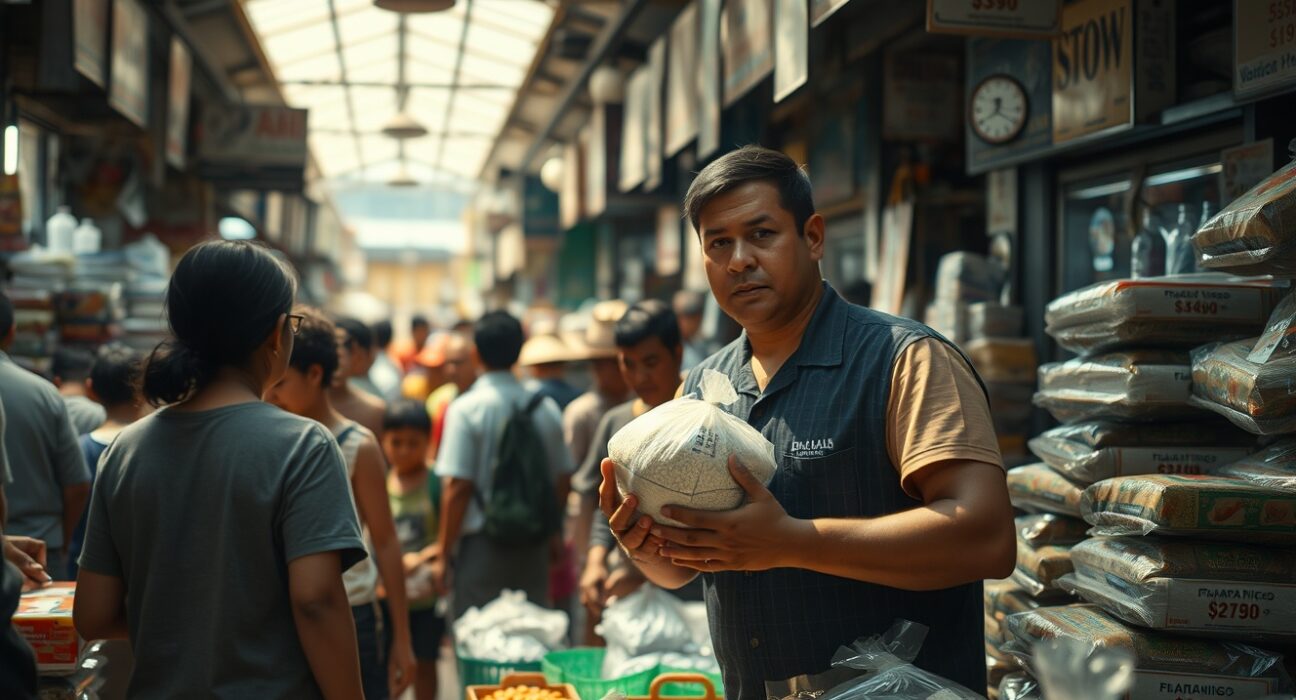
For ordinary Filipinos, the stagflation scenario means higher costs for basic goods and services, from rice and transportation to electricity and rent. Wages, however, have not kept pace with inflation, squeezing household purchasing power. Small and medium-sized enterprises (SMEs), which form the backbone of the Philippine economy, are also feeling the pinch as input costs rise and consumer demand softens.
HSBC warned that prolonged stagflation could erode consumer confidence and lead to a sharper-than-expected slowdown, particularly if the BSP is forced to raise interest rates further to combat inflation. Higher borrowing costs would weigh on investment and consumption, creating a feedback loop that could deepen the economic malaise.
Policy Implications and the BSP’s Dilemma
The BSP faces a difficult policy choice. Raising interest rates could help tame inflation but would risk further slowing the economy. Conversely, holding rates steady or cutting them to support growth could allow inflation to become entrenched, undermining the central bank’s credibility.
HSBC suggests that the BSP may need to maintain a tight monetary policy stance for longer than previously anticipated, even if it means accepting slower growth in the near term. The bank also emphasized the importance of structural reforms to address supply-side bottlenecks, particularly in the agriculture and logistics sectors, which are key drivers of food inflation.
The Philippine government has announced measures to improve food supply chains and reduce import barriers, but their impact may take time to materialize. In the meantime, the BSP is expected to remain data-dependent, adjusting its policy based on incoming inflation and growth figures.
Conclusion
HSBC’s stagflation warning serves as a sobering reminder of the challenges facing the Philippine economy. While the country’s long-term fundamentals remain strong, the immediate outlook is clouded by persistent inflation and slowing growth. Policymakers must act carefully to avoid tipping the economy into a more severe downturn while ensuring that price stability is maintained. For businesses and households, the message is clear: the period of easy growth is over, and tougher times may lie ahead.
FAQs
Q1: What is stagflation, and why is it a concern for the Philippines?
Stagflation is a combination of stagnant economic growth and high inflation. It is a concern because it limits the policy options available to central banks and governments. Raising interest rates to fight inflation can worsen the economic slowdown, while stimulating growth can fuel further price increases.
Q2: How does HSBC’s analysis compare to other economic forecasts for the Philippines?
HSBC’s warning aligns with other international institutions, such as the International Monetary Fund and the World Bank, which have also flagged risks from persistent inflation and global headwinds. However, HSBC’s emphasis on stagflation is more pronounced than some other forecasts, which still see a soft landing as possible.
Q3: What can the Philippine government do to address stagflation risks?
Beyond monetary policy, the government can implement supply-side reforms to reduce food and energy costs, improve infrastructure to lower logistics expenses, and provide targeted support to vulnerable households. Fiscal discipline is also important to avoid adding to demand-side pressures.
Disclaimer: The information provided is not trading advice, Bitcoinworld.co.in holds no liability for any investments made based on the information provided on this page. We strongly recommend independent research and/or consultation with a qualified professional before making any investment decisions.
