

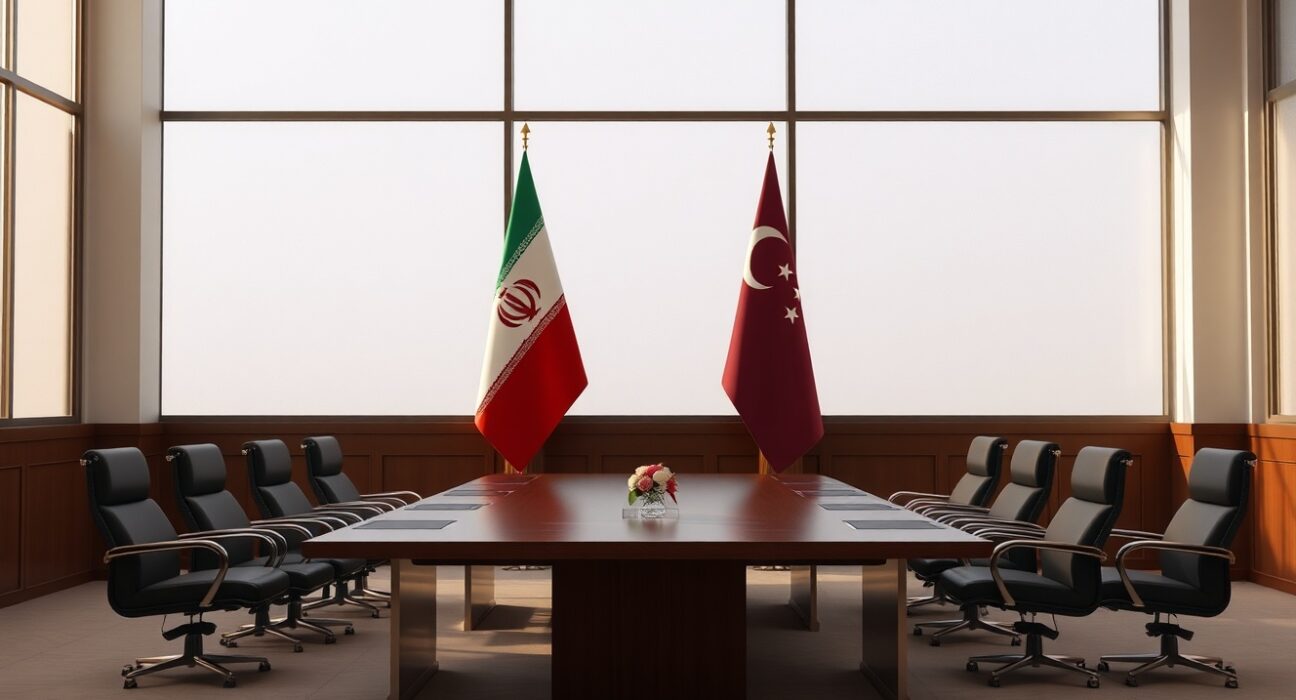
Iranian President Masoud Pezeshkian has called on Qatar to release $6 billion of the approximately $12 billion in Iranian assets currently frozen in the Gulf state, according to a report from Iran’s state-run IRNA news agency. The statement marks a renewed push by Tehran to access funds that have been tied up amid ongoing international sanctions and regional tensions.
Background of the Frozen Assets
The assets in question are believed to be proceeds from Iranian oil sales held in Qatari banks, frozen under U.S.-led sanctions regimes. Iran has long sought to repatriate these funds to bolster its economy, which has been strained by years of sanctions, inflation, and reduced oil revenues. The $6 billion figure represents half of the total amount Iran claims is held in Qatar, though the exact sum and terms of access remain subject to diplomatic negotiations.
Diplomatic and Economic Implications
Pezeshkian’s public call comes as Iran continues to navigate a complex geopolitical landscape, including stalled nuclear talks with world powers and ongoing tensions with the United States and Israel. Access to the frozen funds could provide temporary relief for Iran’s economy, which faces high unemployment and a weakened currency. However, any release would likely require approval from the U.S. Treasury, as Qatar coordinates closely with Washington on financial matters.
Why This Matters
For readers, this story highlights the ongoing financial pressure on Iran and the role of regional intermediaries like Qatar in managing sanctioned assets. The outcome could signal shifts in U.S.-Iran relations and affect global oil markets, as Iran seeks to increase exports. The request also underscores Qatar’s delicate balancing act between its ties to the West and its economic relationships with Tehran.
Conclusion
President Pezeshkian’s appeal to Qatar is the latest development in a long-running dispute over frozen Iranian assets. While the request is unlikely to be resolved quickly, it reflects Tehran’s urgent need for financial liquidity and its reliance on diplomatic channels to bypass sanctions. The coming weeks may provide further clarity on whether Qatar will act on the request or defer to international partners.
FAQs
Q1: Why does Iran have frozen assets in Qatar?
The assets are largely proceeds from oil sales that were held in Qatari banks and subsequently frozen under international sanctions imposed on Iran, primarily by the United States.
Q2: How would releasing the funds affect Iran’s economy?
Access to $6 billion could help stabilize Iran’s currency, reduce inflation, and provide liquidity for imports, though it would not resolve deeper structural economic issues caused by sanctions.
Q3: Can Qatar release the funds without U.S. approval?
It is unlikely. Qatar coordinates its financial policies with the United States, and any significant release of frozen Iranian assets would probably require a waiver or agreement from Washington.
Disclaimer: The information provided is not trading advice, Bitcoinworld.co.in holds no liability for any investments made based on the information provided on this page. We strongly recommend independent research and/or consultation with a qualified professional before making any investment decisions.
