

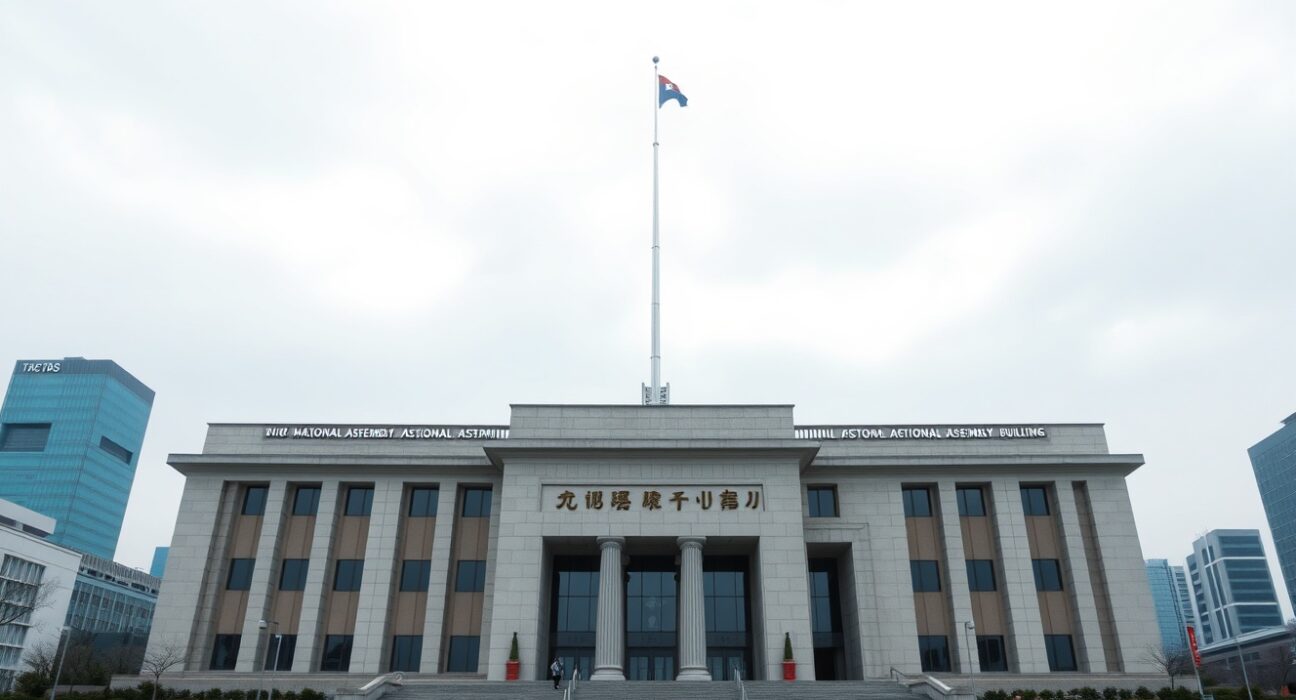
A bill introduced in South Korea’s National Assembly seeks to include virtual assets and certain overseas financial assets when calculating income for basic pension eligibility, a move aimed at addressing fairness concerns. The proposal, announced on June 29 by Representative Seo Young-seok of the Health and Welfare Committee, would amend the Basic Pension Act to close a gap that previously excluded these assets from property assessments.
Background of the Proposed Amendment
The Basic Pension Act currently determines eligibility based on income and property assessments, but virtual assets such as cryptocurrencies and certain foreign financial holdings were not factored into the calculations. Representative Seo argued that this omission created inequities, as individuals with significant holdings in these assets could still qualify for pensions meant for lower-income seniors. The amendment aims to create a more comprehensive and fair evaluation of an applicant’s financial resources.
Implications for Crypto Holders and Pension System
If passed, the bill would require pension applicants to disclose their holdings in virtual assets and overseas accounts, potentially reducing or eliminating benefits for those with substantial wealth in these forms. For South Korea, a country with one of the highest rates of cryptocurrency adoption globally, this change could affect a notable segment of the elderly population. The move aligns with broader global trends of governments seeking to integrate digital assets into existing financial and welfare frameworks.
Why This Matters for South Korean Seniors
The basic pension is a critical social safety net for elderly citizens with limited income. By including crypto assets, the government aims to ensure that benefits are directed to those who genuinely need them, rather than individuals who may appear asset-poor on paper but hold significant wealth in digital currencies. This could also encourage more transparent reporting of virtual asset holdings among older demographics.
Conclusion
The proposed amendment represents a significant step in South Korea’s ongoing efforts to regulate and integrate cryptocurrencies into mainstream financial and social systems. As the bill moves through the legislative process, it will likely spark debate about privacy, asset valuation, and the definition of wealth in the digital age. The outcome could set a precedent for other nations grappling with similar questions about cryptocurrency and social welfare.
FAQs
Q1: What does the proposed bill change about pension eligibility?
The bill would require the inclusion of virtual assets (like cryptocurrencies) and certain overseas financial assets when calculating income for South Korea’s basic pension, closing a loophole that previously excluded these holdings.
Q2: Who introduced this bill and why?
Representative Seo Young-seok, a member of the National Assembly’s Health and Welfare Committee, introduced the amendment on June 29 to address fairness concerns, arguing that excluding crypto assets from property assessments was inequitable.
Q3: How might this affect South Korean crypto investors?
If passed, individuals with significant crypto holdings may see reduced or eliminated basic pension benefits, as their virtual assets would now be counted toward their total financial resources.
Disclaimer: The information provided is not trading advice, Bitcoinworld.co.in holds no liability for any investments made based on the information provided on this page. We strongly recommend independent research and/or consultation with a qualified professional before making any investment decisions.
