

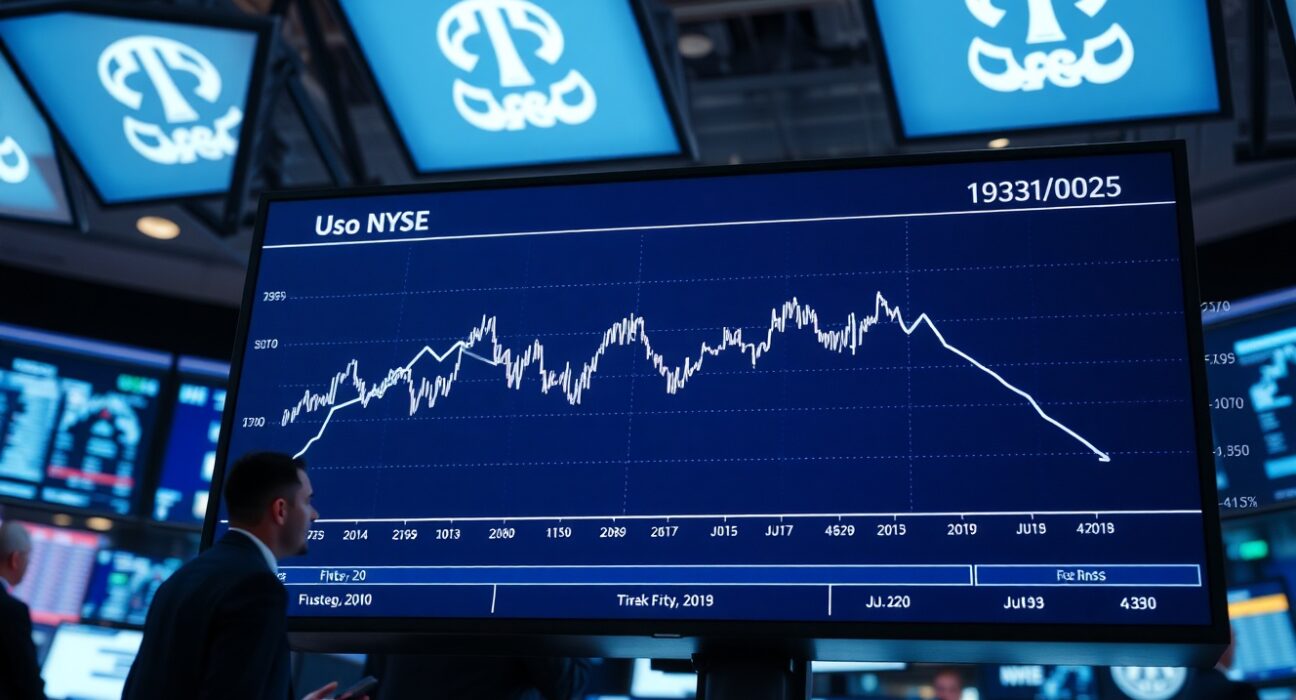
Analysts at Deutsche Bank have highlighted a significant shift in market expectations for Federal Reserve interest rate hikes, following the release of softer-than-anticipated US inflation data. This repricing has exerted downward pressure on the US Dollar Index (DXY), which measures the greenback against a basket of major currencies.
Market Repricing on Inflation Data
The latest consumer price index (CPI) report showed a deceleration in price pressures, leading traders to scale back bets on aggressive Fed tightening. According to Deutsche Bank’s research note, the market is now pricing in a less steep path for rate increases, a move that typically weakens the dollar as it reduces the yield advantage of US assets. The DXY has responded by slipping from recent highs, reflecting this recalibration of monetary policy expectations.
Implications for Currency Markets
The shift has broader implications for currency markets. A softer dollar can provide relief to emerging market currencies and commodities priced in USD, such as oil and gold. However, Deutsche Bank cautions that the outlook remains data-dependent. If inflation proves stickier than expected, the repricing could reverse quickly. The bank’s analysts emphasize that the market’s reaction is a rational adjustment to new information, rather than a signal of a sustained trend.
What This Means for Investors
For forex traders and investors, the key takeaway is the heightened sensitivity of the dollar to inflation data. The Federal Reserve has consistently stated that its decisions will be guided by incoming economic reports. As a result, any further signs of cooling inflation could lead to additional dollar weakness, while a surprise uptick might trigger a sharp rebound. The current environment underscores the importance of monitoring economic indicators closely.
Conclusion
The repricing of Fed rate hike expectations, driven by softer inflation data, has weakened the US Dollar Index according to Deutsche Bank. While this shift offers opportunities in other asset classes, the path forward hinges on upcoming economic releases. Investors should remain cautious and data-aware, as the market’s current positioning could be vulnerable to changes in the inflation narrative.
FAQs
Q1: What is the US Dollar Index (DXY)?
The US Dollar Index (DXY) measures the value of the US dollar relative to a basket of six major foreign currencies, including the euro, yen, and pound. It is a widely used benchmark for the dollar’s overall strength.
Q2: How does inflation data affect the Federal Reserve’s rate decisions?
The Federal Reserve uses inflation data, such as the CPI, to gauge price pressures in the economy. Lower inflation reduces the urgency to raise interest rates, while higher inflation typically prompts more aggressive tightening.
Q3: Why does a weaker dollar matter for global markets?
A weaker dollar can boost exports from the US, increase the value of commodities priced in dollars (like oil and gold), and provide relief to emerging market economies that have debt denominated in USD. It also affects multinational corporate earnings and global trade flows.
Disclaimer: The information provided is not trading advice, Bitcoinworld.co.in holds no liability for any investments made based on the information provided on this page. We strongly recommend independent research and/or consultation with a qualified professional before making any investment decisions.
