

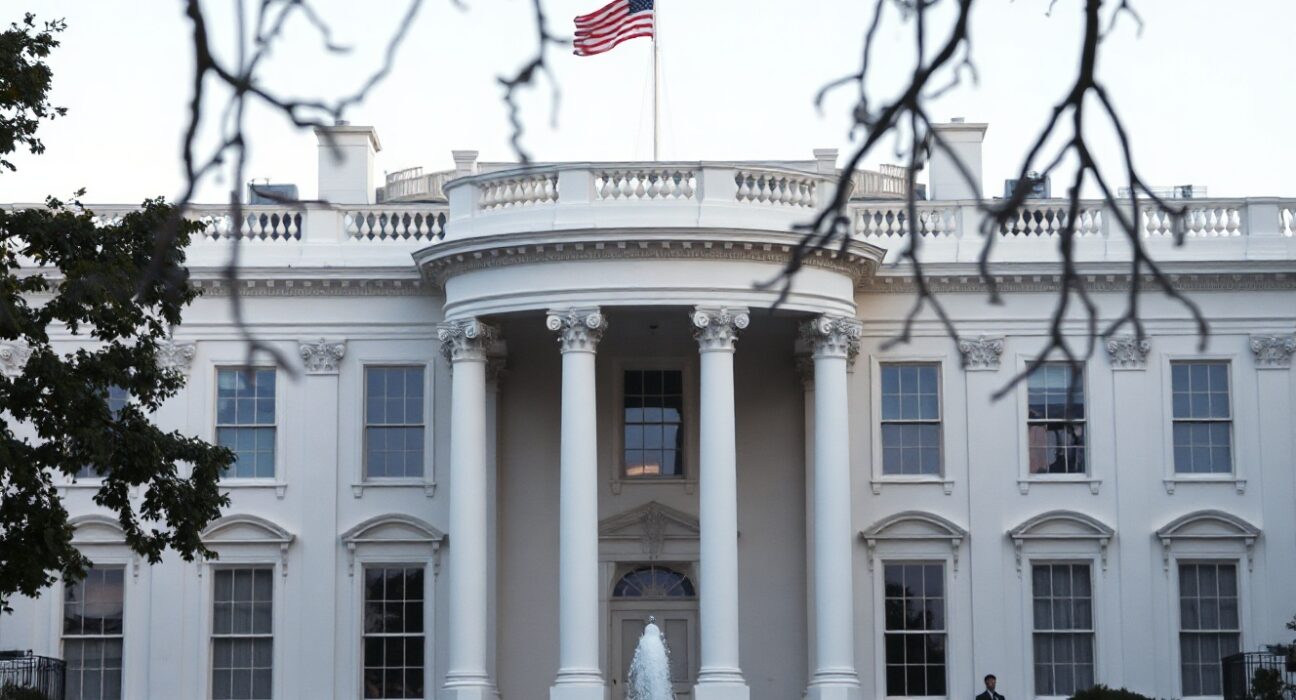
WASHINGTON — The White House has convened a meeting with law enforcement agencies that have raised objections to the CLARITY Act, aiming to resolve a deepening dispute over how the legislation addresses illicit finance in decentralized finance (DeFi). The meeting, scheduled for June 29, brings together federal and local law enforcement groups that have publicly opposed key provisions of the bill.
Core Disagreement: The Blockchain Regulatory Certainty Act
At the heart of the conflict is Section 604 of the CLARITY Act, known as the Blockchain Regulatory Certainty Act (BRCA). This provision would clarify that software developers who create blockchain protocols but do not directly operate or control them are not classified as money transmitters. The cryptocurrency industry has argued this legal safeguard is essential for fostering innovation in DeFi, where developers often build tools that run autonomously.
However, the National Sheriffs’ Association, along with other law enforcement groups, has pushed back. In a letter sent to the Senate Banking Committee in May, they warned that the BRCA could create an overly broad immunity for crypto mixers, tumblers, and DeFi platforms. While acknowledging that some developers operate entirely outside the financial system, they argued that many perform activities that should fall under the Bank Secrecy Act (BSA), which requires anti-money laundering controls.
White House Mediation Efforts
Patrick Witt, Executive Director of the White House Cryptocurrency Committee, has been leading negotiations. According to sources familiar with the discussions, Witt has held continuous talks with law enforcement representatives and Wall Street financial firms to find common ground. The goal is to secure the CLARITY Act’s passage in the Senate, where it has faced bipartisan scrutiny over its potential impact on financial crime enforcement.
The meeting marks a critical juncture. If the White House can broker a compromise, the CLARITY Act could move forward with broader support. If not, the legislation may stall, leaving the regulatory status of DeFi developers uncertain.
Why This Matters for the Crypto Industry
The outcome of this dispute will have far-reaching implications. For DeFi developers, the BRCA could mean the difference between operating in a clear legal framework or facing potential prosecution as unlicensed money transmitters. For law enforcement, the concern is that bad actors could exploit the exemption to launder money through decentralized platforms without oversight.
Investors and businesses in the crypto space are watching closely. A clear regulatory path could encourage more institutional participation, while prolonged uncertainty may drive development overseas.
Conclusion
The White House meeting on June 29 represents a pivotal effort to reconcile competing interests in cryptocurrency regulation. The CLARITY Act’s fate now hinges on whether lawmakers can address law enforcement’s concerns without stifling innovation. As the Senate debate intensifies, the industry and regulators alike await a resolution that could define the legal landscape for DeFi in the United States.
FAQs
Q1: What is the CLARITY Act?
The CLARITY Act is a proposed U.S. law aimed at providing regulatory clarity for digital assets, including rules for DeFi developers, stablecoins, and market structure.
Q2: Why do law enforcement groups oppose the Blockchain Regulatory Certainty Act?
They argue that exempting DeFi developers from money transmitter status could allow illicit finance activities, such as money laundering through mixers and tumblers, to go unregulated.
Q3: What happens if the CLARITY Act fails to pass?
Without the CLARITY Act, DeFi developers would remain in a regulatory gray area, potentially facing enforcement actions from state and federal regulators, which could slow innovation and push projects abroad.
Disclaimer: The information provided is not trading advice, Bitcoinworld.co.in holds no liability for any investments made based on the information provided on this page. We strongly recommend independent research and/or consultation with a qualified professional before making any investment decisions.
