

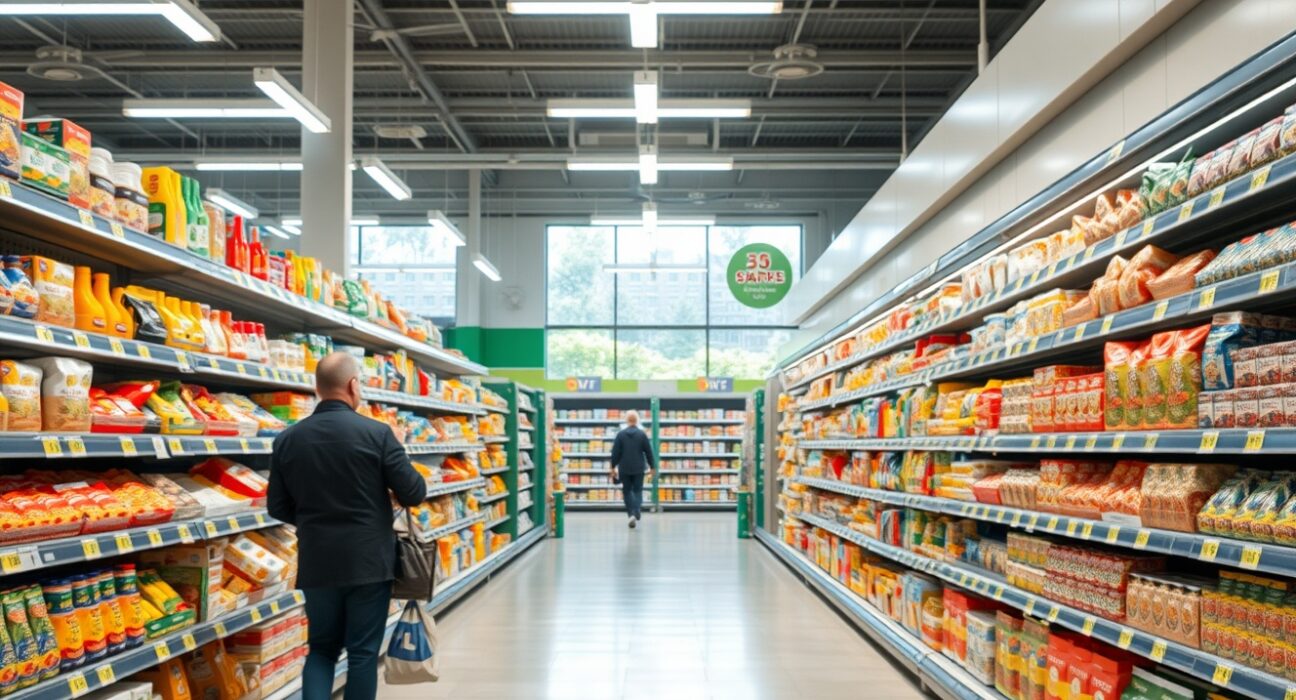
The United Kingdom’s shop price inflation eased more than anticipated in June, according to the latest British Retail Consortium (BRC) Shop Price Index. The annual rate of price increases stood at 1.2% last month, falling short of the 1.3% forecast by economists and marking a continued deceleration from previous months.
Slower Price Growth Across Food and Non-Food Categories
The BRC data, which tracks price changes across a broad basket of goods sold in UK retail stores, revealed that both food and non-food categories contributed to the softer headline figure. Food inflation, which has been a major driver of the cost-of-living squeeze, showed signs of moderating, while non-food prices remained under pressure from cautious consumer spending and ongoing discounting by retailers.
This deceleration aligns with broader trends in the UK economy, where headline consumer price inflation has been gradually retreating from multi-decade highs. However, the BRC index provides a more immediate read on the prices consumers face at the till, making it a closely watched indicator for both policymakers and households.
Implications for Consumers and Retailers
For shoppers, the slower pace of price increases offers some relief, particularly in the food aisle where costs had surged over the past two years. The BRC noted that fierce competition among supermarkets, coupled with easing input costs for some commodities, has helped to slow the rate of food price inflation.
For retailers, the environment remains challenging. While lower inflation may encourage consumer confidence, margins continue to be squeezed by elevated energy costs, wage pressures, and supply chain complexities. The data suggests that retailers are absorbing some cost increases rather than passing them on fully, a strategy that may support volumes but pressures profitability.
Market and Policy Context
The BRC Shop Price Index is a monthly survey of retail prices across the UK, providing an early indication of inflationary trends before official Office for National Statistics (ONS) data is released. The June reading adds to evidence that price pressures are easing, which could influence the Bank of England’s interest rate decisions in the coming months. A sustained moderation in shop price inflation may reduce the urgency for further rate hikes, though services inflation and wage growth remain key areas of concern for policymakers.
Conclusion
The June BRC Shop Price Index shows UK retail inflation running below expectations at 1.2%, offering a modest positive signal for consumers and the broader economic outlook. While the trend is encouraging, the pace of deceleration will need to be sustained for a meaningful impact on household budgets and monetary policy. The data reinforces the narrative of a gradually cooling inflationary environment, though risks from global commodity markets and domestic labour costs persist.
FAQs
Q1: What is the BRC Shop Price Index?
The BRC Shop Price Index is a monthly measure of price changes across a wide range of goods sold in UK retail stores, published by the British Retail Consortium. It provides an early read on consumer price trends.
Q2: Why did the June figure come in below forecasts?
The 1.2% reading was below the 1.3% consensus forecast due to slower food price inflation and ongoing discounting in non-food categories, reflecting cautious consumer demand and easing cost pressures for some goods.
Q3: How does this affect the Bank of England’s interest rate decisions?
Softer shop price inflation supports the case for holding or cutting interest rates, but the Bank of England also considers services inflation, wage growth, and broader economic activity. A sustained trend lower in retail prices could reduce the need for further tightening.
Disclaimer: The information provided is not trading advice, Bitcoinworld.co.in holds no liability for any investments made based on the information provided on this page. We strongly recommend independent research and/or consultation with a qualified professional before making any investment decisions.
