

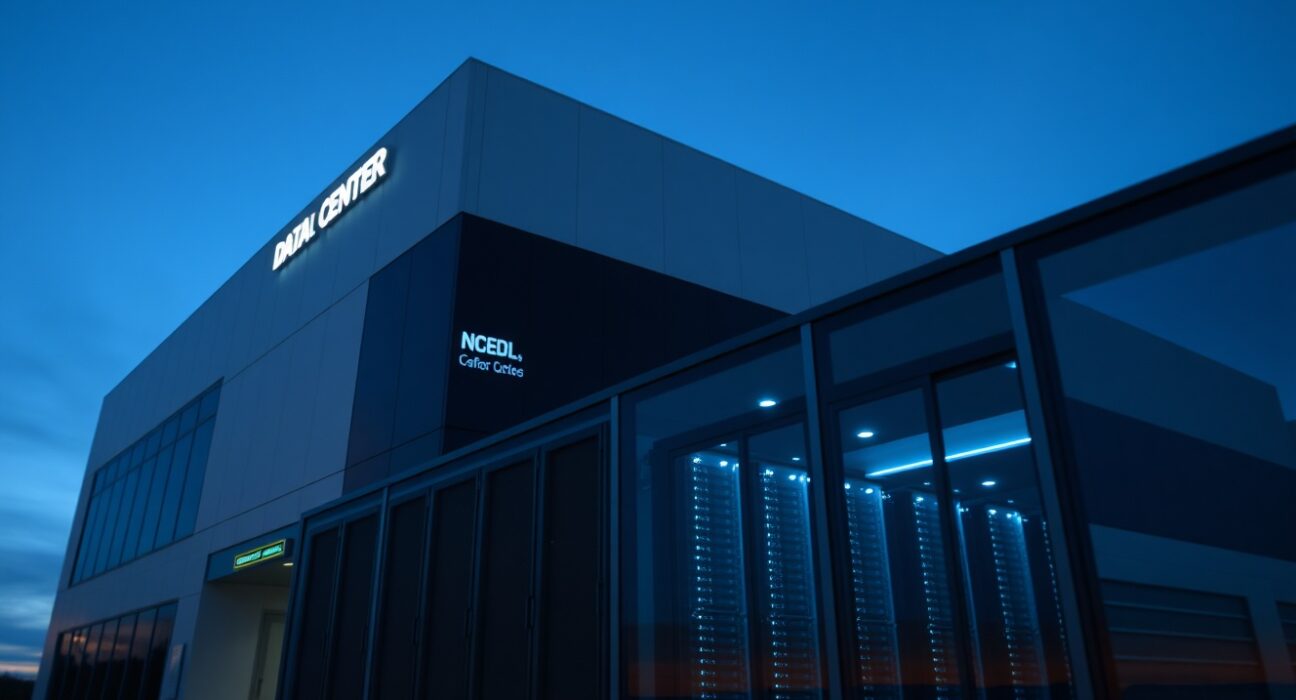
Ionic Digital, a U.S.-based mining firm originally formed through the acquisition of bankrupt cryptocurrency lender Celsius Network’s mining equipment, has announced a strategic pivot to become an artificial intelligence and high-performance computing infrastructure provider. The company has also filed for a direct listing on the Nasdaq, signaling a significant shift in its business model.
From mining rigs to AI infrastructure
The transition appears to be well underway. According to financial data reported by Cointelegraph, Ionic Digital’s digital infrastructure leasing revenue reached $44 million in the first quarter of this year, while its mining revenue fell sharply to just $7.4 million — an 82% decline year-over-year. This revenue composition clearly indicates that the company is now generating the majority of its income from leasing computing power for AI and HPC workloads rather than from cryptocurrency mining.
Ionic Digital was originally formed to manage and operate the mining assets acquired from Celsius Network following the lender’s bankruptcy proceedings. The pivot reflects a broader trend among crypto mining firms that have been seeking more stable and diversified revenue streams, particularly as Bitcoin mining difficulty has increased and profitability has compressed.
Why this matters for the market
The move to list on Nasdaq via a direct listing, rather than a traditional IPO, allows the company to go public without raising new capital or using underwriters. This approach is often favored by companies with a strong existing investor base and a desire to avoid dilution. For Ionic Digital, the listing would provide greater visibility and access to institutional capital markets.
The shift from mining to AI infrastructure also places Ionic Digital in direct competition with established data center operators and cloud service providers. The company’s existing physical infrastructure — including power supply contracts, cooling systems, and facility management expertise — provides a foundation that can be repurposed for high-density computing workloads required by AI model training and inference.
Revenue diversification and strategic implications
The revenue data from Q1 highlights the speed of this transformation. With leasing revenue now representing roughly 86% of total revenue, Ionic Digital is effectively already an AI infrastructure company that happens to retain some mining operations. This pivot may serve as a case study for other mining firms evaluating similar transitions, particularly those with access to large-scale power capacity and existing data center facilities.
Industry analysts note that the demand for AI compute resources continues to outpace supply, creating a favorable market environment for companies that can quickly repurpose existing infrastructure. However, the transition also requires significant investment in networking equipment, specialized cooling, and high-bandwidth interconnects that differ from standard mining setups.
Conclusion
Ionic Digital’s pivot from Bitcoin mining to AI and HPC infrastructure, supported by a Nasdaq direct listing application, represents a notable strategic realignment within the digital asset industry. The company’s Q1 revenue figures demonstrate that the transition is already generating substantial income from its new focus. Whether this move will be replicated by other mining firms remains to be seen, but it underscores the growing convergence between cryptocurrency mining infrastructure and the broader high-performance computing market.
FAQs
Q1: What is a direct listing, and how is it different from an IPO?
A direct listing allows a company to list its existing shares on a stock exchange without issuing new shares or using underwriters. Unlike an IPO, no new capital is raised, and existing shareholders can sell their shares directly to the public. This method is often faster and less expensive.
Q2: Why are crypto mining companies pivoting to AI?
Many mining firms have existing infrastructure — including power contracts, cooling systems, and facility management — that can be adapted for AI and HPC workloads. AI compute demand is growing rapidly, and leasing GPU or ASIC capacity for AI workloads can provide more stable and predictable revenue compared to the volatile Bitcoin mining industry.
Q3: What happened to Celsius Network’s mining equipment?
Following Celsius Network’s bankruptcy filing in 2022, its mining assets were acquired by a group of investors and used to form Ionic Digital. The company was created specifically to manage and operate these assets, which included mining rigs and related infrastructure.
Disclaimer: The information provided is not trading advice, Bitcoinworld.co.in holds no liability for any investments made based on the information provided on this page. We strongly recommend independent research and/or consultation with a qualified professional before making any investment decisions.
