

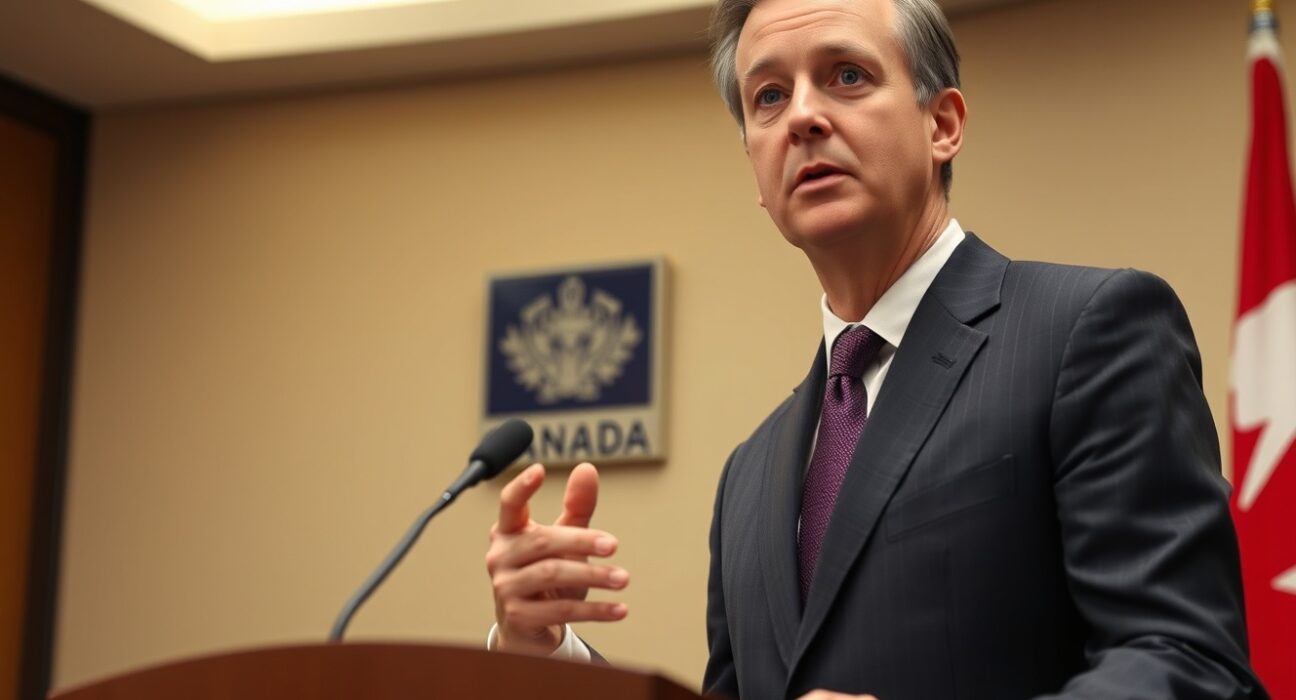
Bank of Canada Governor Tiff Macklem reiterated on Wednesday that inflation in Canada remains “clearly above target,” reinforcing the central bank’s cautious stance on interest rate policy. Speaking at a press conference following the release of the Bank’s latest monetary policy report, Macklem emphasized that while progress has been made, price pressures have not yet eased enough to warrant a shift in the current restrictive policy stance.
Inflation Still Stubbornly High
Canada’s annual inflation rate has moderated from its peak of 8.1 percent in mid-2022, but it remains above the Bank’s 2 percent target. The latest data shows headline inflation hovering near 3.8 percent, driven by persistent increases in shelter costs, food prices, and services. Macklem noted that core inflation measures, which strip out volatile items like gasoline, have also remained elevated, signaling that underlying price pressures are proving more persistent than initially expected.
Rate Policy in Focus
The Bank of Canada has held its key overnight rate at 5 percent since July 2023, following a series of aggressive rate hikes. Macklem’s latest comments suggest that the central bank is in no hurry to begin cutting rates, despite growing pressure from businesses and consumers struggling with high borrowing costs. “We need to see sustained evidence that inflation is moving sustainably toward 2 percent before we can consider easing,” Macklem said.
What This Means for Borrowers
For Canadian households and businesses, Macklem’s remarks signal that mortgage rates, credit lines, and other borrowing costs are likely to remain elevated for the foreseeable future. Variable-rate mortgage holders, in particular, face continued pressure as the Bank maintains its restrictive stance. Economists widely expect the Bank to hold rates steady through the first half of 2024, with potential cuts not expected until late in the year at the earliest.
Global Context and Outlook
Macklem’s comments come amid a broader global trend of central banks pushing back against early rate-cut expectations. The U.S. Federal Reserve has similarly signaled that it needs more confidence in inflation’s decline before reducing rates. Canada’s economy, however, faces unique vulnerabilities, including high household debt levels and a housing market that remains sensitive to interest rate changes. The Bank’s updated projections show inflation returning to target by late 2025, a timeline that many analysts view as optimistic given current trends.
Conclusion
Governor Macklem’s clear message that inflation remains above target underscores the Bank of Canada’s commitment to restoring price stability, even if it means prolonged economic pain for borrowers. For now, the central bank is prioritizing its inflation mandate over calls for relief, a stance that will continue to shape Canada’s economic landscape through 2024.
FAQs
Q1: Why does the Bank of Canada keep interest rates high?
The Bank keeps rates high to cool the economy and bring inflation down to its 2 percent target. With inflation still above target, the Bank is maintaining its restrictive policy to prevent price pressures from becoming entrenched.
Q2: When will the Bank of Canada start cutting rates?
Most economists expect rate cuts to begin in late 2024 or early 2025, but only after inflation shows sustained signs of moving back toward 2 percent. Governor Macklem has not committed to a specific timeline.
Q3: How does high inflation affect Canadian households?
High inflation erodes purchasing power, meaning households pay more for everyday goods and services. At the same time, high interest rates increase the cost of borrowing for mortgages, car loans, and credit cards, squeezing household budgets.
Disclaimer: The information provided is not trading advice, Bitcoinworld.co.in holds no liability for any investments made based on the information provided on this page. We strongly recommend independent research and/or consultation with a qualified professional before making any investment decisions.
