

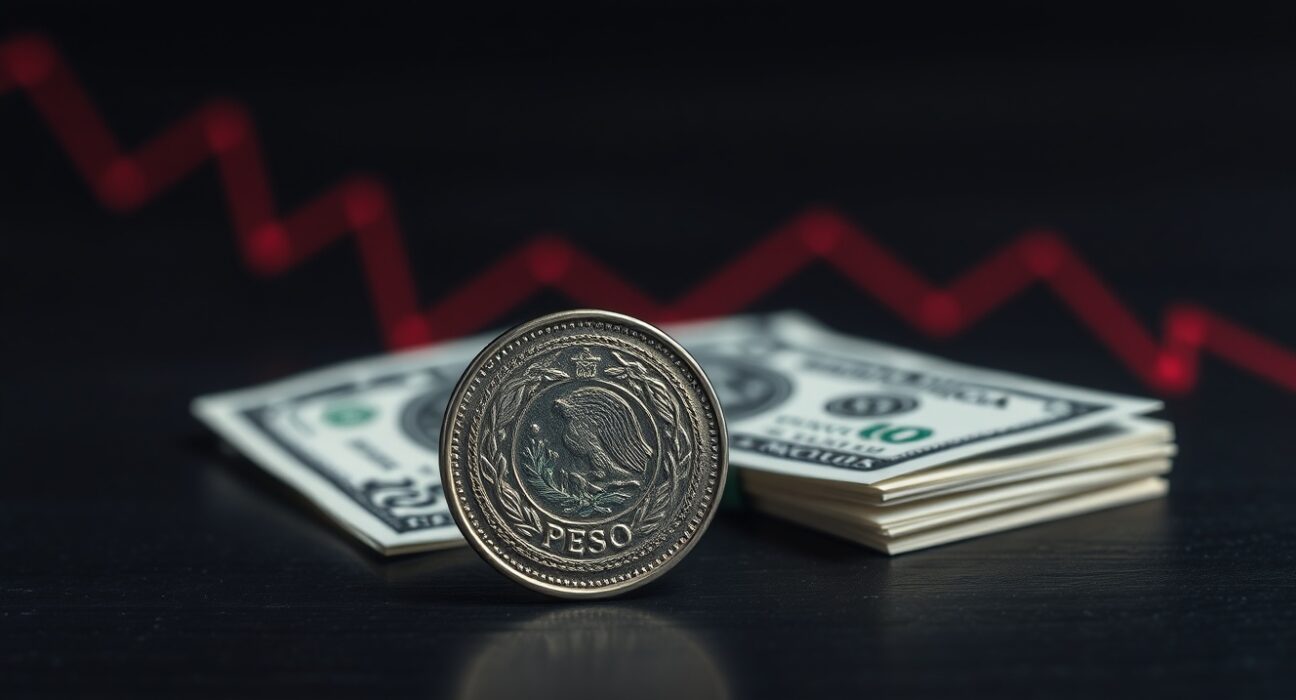
The Mexican Peso experienced a sharp decline against the US dollar today, triggered by fresh uncertainty surrounding the United States-Mexico-Canada Agreement (USMCA). The currency weakened as traders reacted to unexpected developments in trade negotiations, raising concerns about the stability of North American economic integration.
What Sparked the Selloff?
The Peso tumbled after reports emerged of potential renegotiation demands or compliance disputes under the USMCA framework. While specific details remain fluid, market participants interpreted the signals as a setback for the trade pact that has underpinned regional commerce since its implementation in 2020. The currency fell as much as 2.3% against the greenback in early trading, marking one of its worst single-day performances in recent months.
Broader Market Impact
The selloff rippled across emerging market currencies, with the Peso leading losses among its peers. Analysts pointed to the peso’s high sensitivity to US trade policy given Mexico’s deep integration with the US economy. The reaction underscores how geopolitical trade risks continue to weigh on investor sentiment, even as global markets had largely priced in stable trade relations under the USMCA.
Why This Matters for Investors
For traders and businesses exposed to Mexican assets, the volatility serves as a reminder of the peso’s vulnerability to political headlines. The currency has been a popular carry trade target due to its relatively high interest rates, but sudden risk-off moves can trigger rapid unwinding. Importers and exporters with peso-denominated contracts may face increased hedging costs in the near term.
Context and Background
The USMCA, which replaced NAFTA, was designed to provide a more stable and modern trade framework. However, periodic disputes over rules of origin, labor provisions, and energy policies have created intermittent friction. Today’s move suggests that markets remain on edge about the durability of the agreement, especially with shifting political dynamics in all three member countries.
Conclusion
The Mexican Peso’s decline reflects the market’s immediate reaction to USMCA-related shocks, highlighting the currency’s sensitivity to trade policy signals. While the situation is still developing, investors should monitor official statements from trade officials for clarity. The episode reinforces the importance of geopolitical risk management in currency portfolios.
FAQs
Q1: Why did the Mexican Peso drop today?
A: The Peso weakened due to unexpected developments or disputes related to the USMCA trade agreement, which raised concerns about the stability of North American trade relations.
Q2: How much did the Peso fall?
A: The currency declined by as much as 2.3% against the US dollar in early trading, one of its largest single-day moves in recent months.
Q3: What should investors do now?
A: Investors should monitor official statements from US, Mexican, and Canadian trade officials for clarity. Those with peso exposure may consider reviewing hedging strategies amid increased volatility.
Disclaimer: The information provided is not trading advice, Bitcoinworld.co.in holds no liability for any investments made based on the information provided on this page. We strongly recommend independent research and/or consultation with a qualified professional before making any investment decisions.
