

South Korea’s consumer price index (CPI) rose 0.1% in June compared to the previous month, aligning with market forecasts and offering a measured signal on inflation trends. The data, released by Statistics Korea, confirms that price pressures remain contained in Asia’s fourth-largest economy.
Steady Inflation in a Global Context
The month-on-month increase matches the consensus estimate of 0.1%, reflecting stable consumer prices despite ongoing global supply chain adjustments and domestic demand patterns. On an annual basis, the CPI has shown gradual moderation, a trend that central bank officials and market analysts have been watching closely.
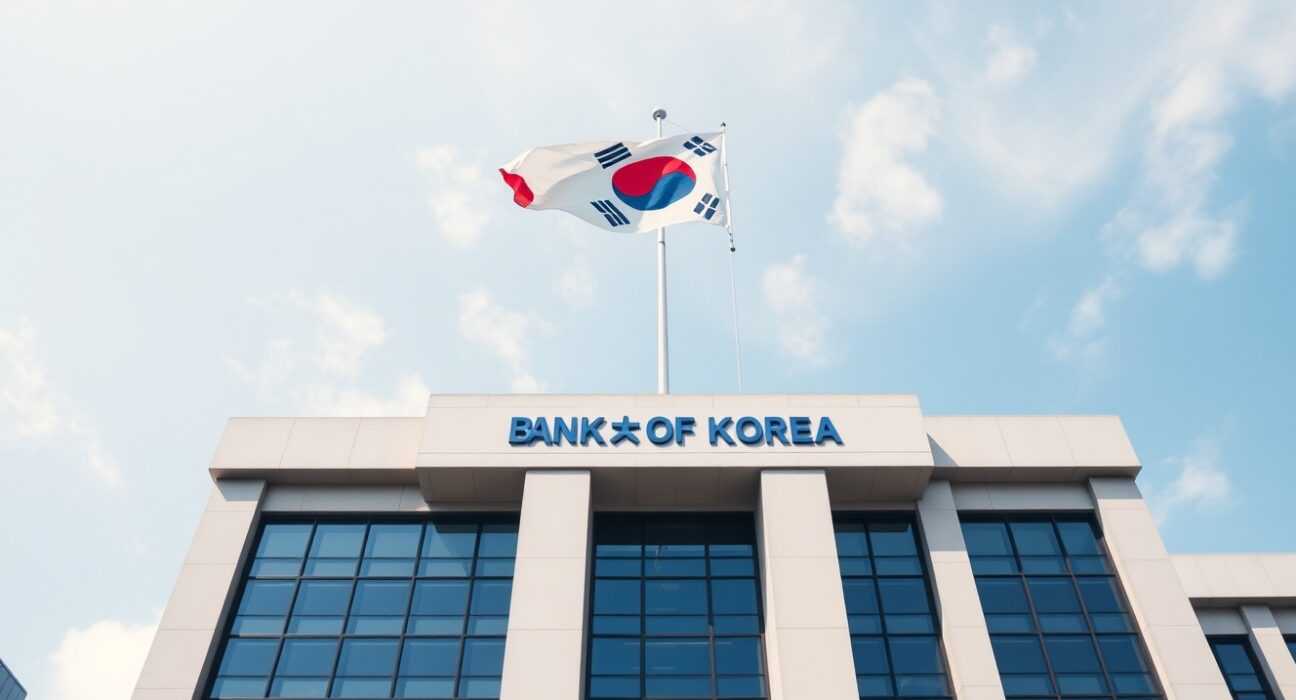
June’s figure follows a period of relatively subdued inflation, influenced by lower energy costs and easing food price volatility. The Bank of Korea, which has held its benchmark interest rate steady in recent months, may view this data as supporting its current policy stance.
What This Means for Consumers and Markets
For South Korean households, the stable CPI reading suggests that purchasing power is not being eroded by rapid price increases. Core inflation, which excludes volatile food and energy items, has also remained within a manageable range.
Financial markets typically react to inflation data as it influences central bank decisions. The in-line figure is unlikely to prompt immediate policy changes, but it reinforces the narrative of a carefully balanced economic recovery.
Looking Ahead
Analysts will now focus on upcoming data for July and August to see if this trend holds. External factors, including global commodity prices and the strength of the Korean won, will play a role in shaping future inflation outcomes.
The Bank of Korea’s next monetary policy meeting is scheduled for August, where this CPI data will be part of the broader economic assessment.
Conclusion
South Korea’s June CPI growth of 0.1% month-on-month met expectations, providing a steady data point for policymakers and investors. The figure underscores a period of controlled inflation, supporting current economic forecasts without triggering immediate policy adjustments.
FAQs
Q1: What does CPI stand for?
CPI stands for Consumer Price Index, a measure of the average change over time in the prices paid by consumers for a market basket of goods and services.
Q2: Why is the month-on-month CPI figure important?
The month-on-month figure provides a short-term view of inflation trends, helping economists and central banks assess immediate price pressures and adjust policy accordingly.
Q3: How does South Korea’s CPI compare to other major economies?
South Korea’s inflation rate has generally been moderate compared to some Western economies, reflecting different domestic demand conditions and energy import structures. June’s data continues this pattern of relative stability.
Disclaimer: The information provided is not trading advice, Bitcoinworld.co.in holds no liability for any investments made based on the information provided on this page. We strongly recommend independent research and/or consultation with a qualified professional before making any investment decisions.
