

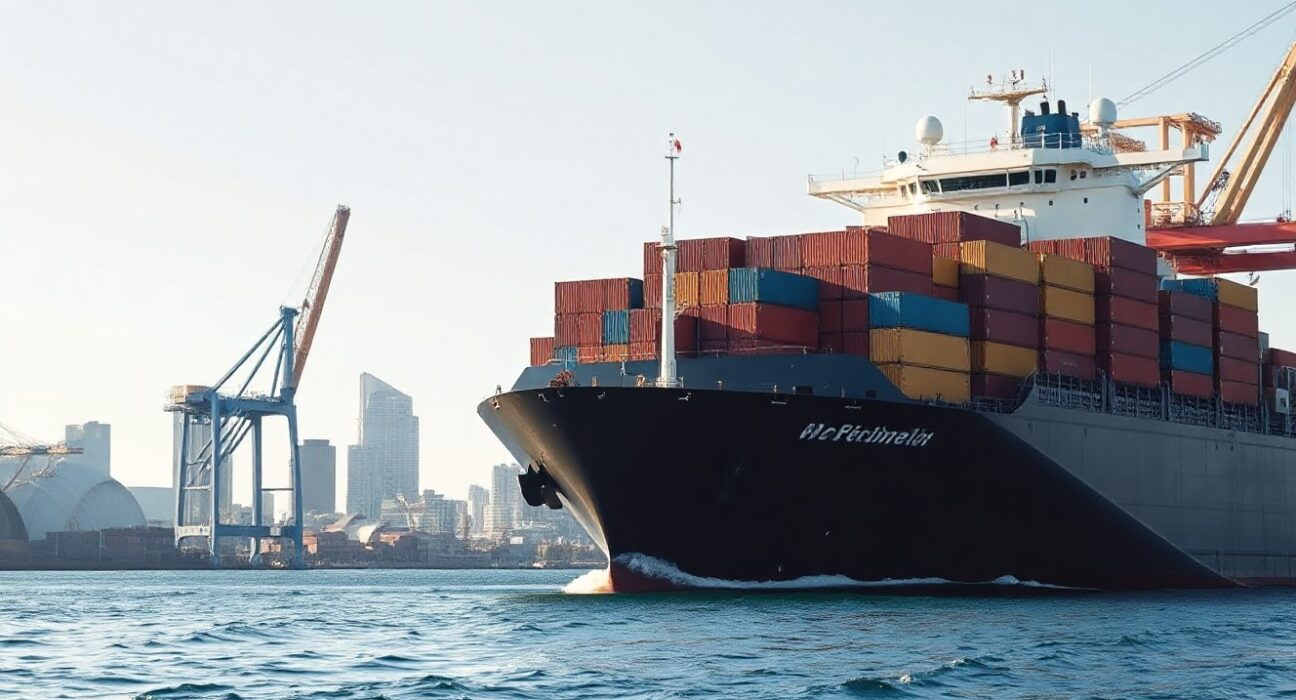
Australia’s export sector experienced a significant reversal in May, with the monthly figure declining by 6.9%. This sharp drop follows a robust 7.2% increase recorded in April, highlighting the volatile nature of global trade and commodity markets.
Data Points and Context
The latest data from the Australian Bureau of Statistics (ABS) shows a clear contraction in export values. While the initial April figure was a strong positive signal for the economy, the May decline suggests that the earlier surge may have been an outlier, potentially driven by a temporary spike in commodity prices or a one-off shipment of large-scale resources.
Analysts are now closely watching the trade balance for the second quarter. The May slump could significantly narrow Australia’s trade surplus, which has been a key support for the national economy amid global inflationary pressures and slowing growth in major trading partners like China.
Key Drivers of the Decline
While the ABS report does not provide a detailed breakdown in the initial release, several factors are likely contributing to the downturn:
- Commodity Price Softening: Global prices for key Australian exports, including iron ore, coal, and LNG, have experienced some volatility. A pullback from recent highs would directly reduce the value of monthly exports.
- Demand Slowdown in China: As Australia’s largest trading partner, any deceleration in China’s industrial production or construction sector directly impacts Australian export volumes and prices.
- Supply Chain Normalization: The earlier strong figure may have included delayed shipments from previous months. A return to normal shipping schedules can lead to a statistical pullback.
Broader Economic Implications
The decline in exports is a critical indicator for the Reserve Bank of Australia (RBA) and policymakers. A narrowing trade surplus means less foreign capital flowing into the country, which can put downward pressure on the Australian dollar and potentially influence monetary policy decisions.
For businesses and investors, this data point signals a need for caution. Sectors directly tied to export performance, such as mining, agriculture, and logistics, may face headwinds in the coming months. However, it is important to view this as a single data point rather than a definitive trend.
Conclusion
The 6.9% monthly decline in Australia’s exports for May is a significant reversal from April’s strong performance. While the data warrants attention, it is part of a normal pattern of monthly volatility. The key for economists and market watchers will be the broader quarterly trend and whether this decline is a correction or the start of a more sustained slowdown.
FAQs
Q1: What does ‘MoM’ mean in this context?
MoM stands for ‘Month-over-Month,’ meaning the change in export value from April to May. It is a short-term indicator used to track immediate economic momentum.
Q2: Is a 6.9% decline in exports a sign of a recession?
Not necessarily. A single month’s data, even a sharp decline, does not indicate a recession. Economists look at quarterly and annual trends, along with other indicators like GDP, employment, and consumer spending, to assess the broader economic health.
Q3: How does this affect the average Australian consumer?
Indirectly. A sustained drop in exports can weaken the Australian dollar, potentially making imported goods more expensive. It could also influence the RBA’s interest rate decisions, which affect mortgage rates and borrowing costs.
Disclaimer: The information provided is not trading advice, Bitcoinworld.co.in holds no liability for any investments made based on the information provided on this page. We strongly recommend independent research and/or consultation with a qualified professional before making any investment decisions.
