

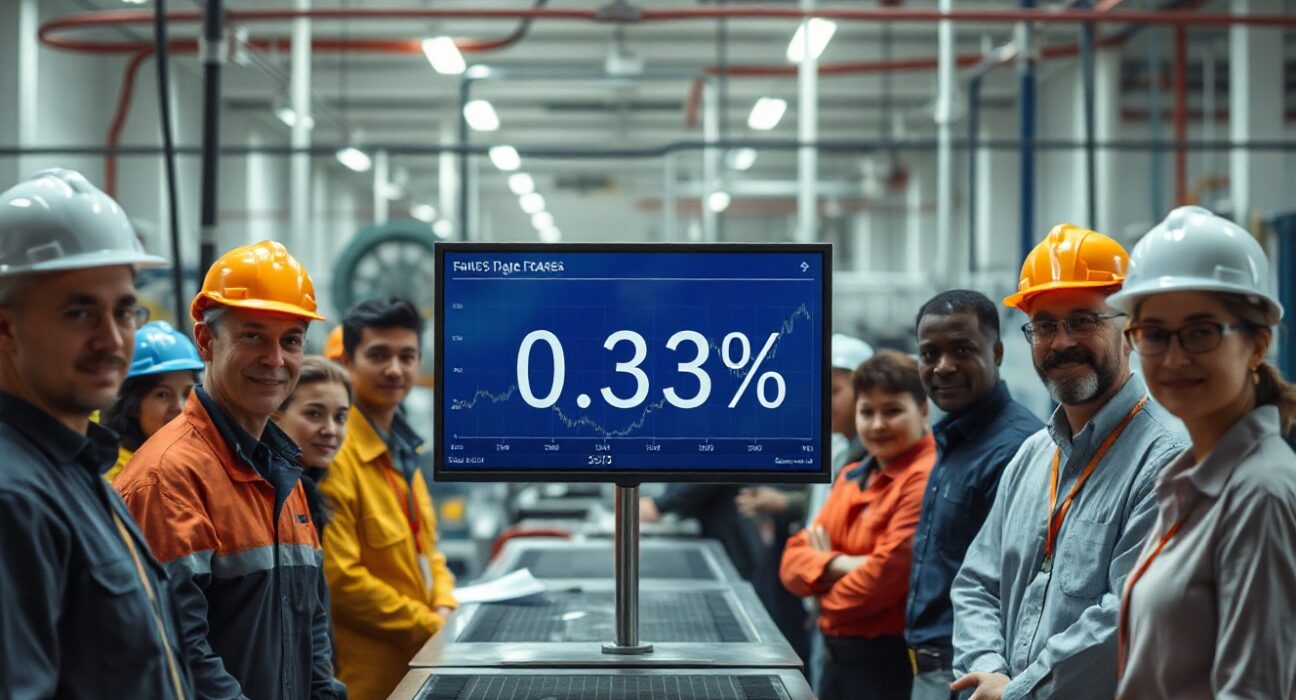
The U.S. Bureau of Labor Statistics reported that average hourly earnings for all employees on private nonfarm payrolls increased by 0.3% in June, meeting market forecasts. This steady month-over-month gain reflects ongoing wage growth in a labor market that continues to show resilience despite broader economic uncertainties.
Steady Wage Growth Amid Cooling Inflation
The 0.3% monthly rise in average hourly earnings aligns with economists’ projections and follows a similar gain in May. On an annual basis, wages have risen by 3.9%, a pace that, while still above pre-pandemic trends, has moderated from the peak levels seen in 2022. This gradual deceleration is seen as a positive signal by policymakers at the Federal Reserve, who are monitoring wage pressures as part of their broader inflation-fighting strategy.
The data is derived from the Bureau’s monthly employment report, which also showed the U.S. economy added 206,000 jobs in June, slightly above expectations. The unemployment rate held steady at 4.1%, indicating a labor market that is cooling but not contracting sharply.
Implications for the Federal Reserve and Interest Rates
For the Federal Reserve, the latest wage data provides a mixed picture. While the month-over-month increase is in line with forecasts, the annualized pace of wage growth remains above the level that many Fed officials consider consistent with their 2% inflation target. Fed Chair Jerome Powell has emphasized that the central bank needs to see a sustained pattern of moderating wage and price pressures before it can begin cutting interest rates.
Market participants are now pricing in a higher probability of a rate cut in September, though the decision remains data-dependent. The steady wage growth, combined with a still-resilient labor market, suggests that the Fed may maintain its cautious stance in the near term.
What This Means for Workers and Businesses
For American workers, the continued rise in hourly earnings provides some relief from the elevated cost of living, even as inflation has cooled from its 2022 highs. However, the pace of wage gains is now more closely aligned with productivity growth, which economists say is a healthier dynamic for the economy. For businesses, particularly in labor-intensive sectors like hospitality and retail, the steady wage increases continue to put pressure on profit margins, though some of these costs are being passed through to consumers.
Conclusion
The June average hourly earnings report confirms that the U.S. labor market is entering a new phase of more balanced growth. Wage increases are moderating from their post-pandemic peaks but remain robust enough to support consumer spending. The data reinforces the narrative of a soft landing, where inflation cools without a sharp rise in unemployment, though the path ahead remains uncertain and dependent on upcoming economic reports.
FAQs
Q1: What does ‘average hourly earnings (MoM)’ mean?
It measures the month-over-month change in wages for all private-sector employees, excluding farm workers. A 0.3% increase means wages rose by that percentage from May to June.
Q2: Why does the Federal Reserve care about wage growth?
Wage growth is a key driver of inflation. If wages rise too quickly, businesses may raise prices to cover higher labor costs, making it harder for the Fed to bring inflation down to its 2% target.
Q3: How does this report affect my personal finances?
Steady wage growth supports your purchasing power, especially when inflation is moderating. However, if the Fed keeps interest rates high to combat wage-driven inflation, borrowing costs for mortgages, car loans, and credit cards may remain elevated.
Disclaimer: The information provided is not trading advice, Bitcoinworld.co.in holds no liability for any investments made based on the information provided on this page. We strongly recommend independent research and/or consultation with a qualified professional before making any investment decisions.
