

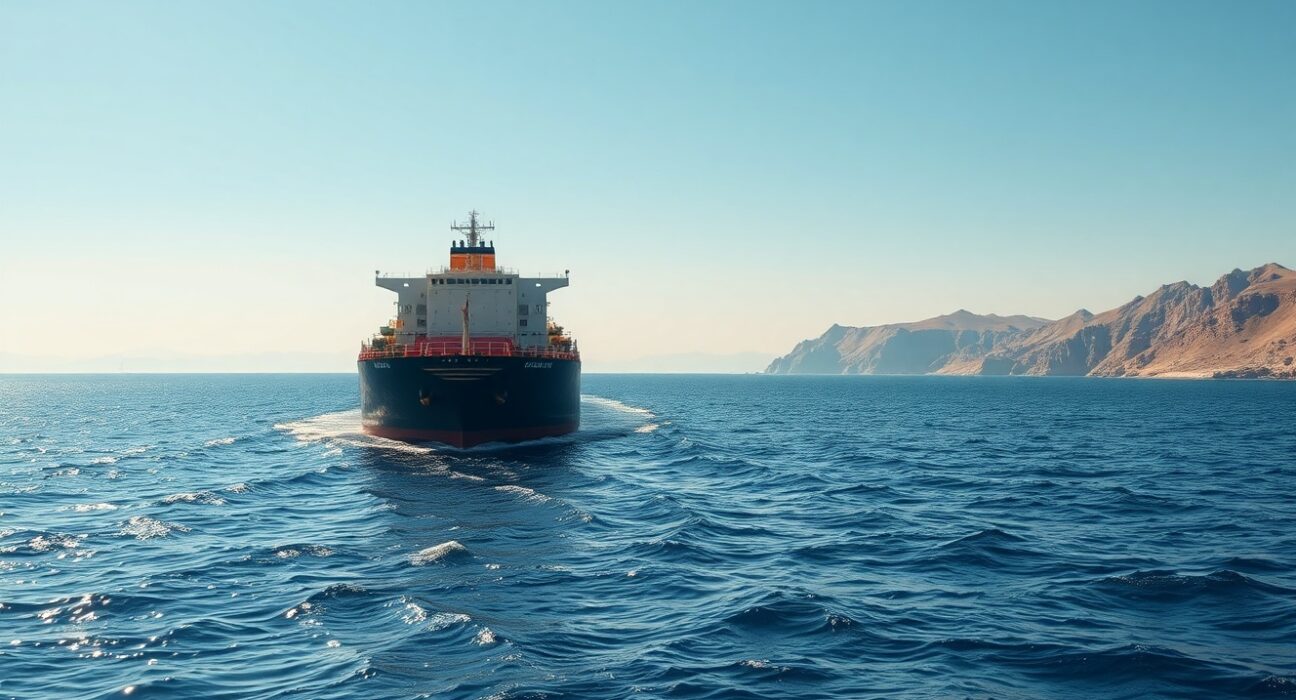
Iran has officially confirmed the implementation of service fees for vessels transiting the Strait of Hormuz, a critical chokepoint for global oil shipments, while firmly rejecting any third-party involvement in the matter. The announcement, made by Iranian maritime authorities, marks a significant policy shift that could have far-reaching implications for international energy markets and regional maritime security.
Background and Official Statement
The Strait of Hormuz, connecting the Persian Gulf to the Gulf of Oman, is one of the world’s most strategically important waterways, through which approximately 20% of global oil supply passes daily. Iranian officials stated that the new fees are intended to cover the costs of maritime safety, navigation assistance, and environmental protection services provided by Iran in the strait. The decision has been framed as a sovereign right under international law, with Tehran emphasizing that no foreign nation or organization has the authority to intervene in what it considers an internal matter.
Market and Geopolitical Implications
The confirmation of these fees has already raised concerns among shipping companies and oil traders. Analysts warn that the additional costs could be passed on to consumers, potentially increasing global oil prices at a time when energy markets are already volatile. The move also risks escalating tensions in a region already marked by frequent confrontations between Iran and Western naval forces. The United States and its allies have historically maintained a naval presence in the strait to ensure freedom of navigation, and any unilateral imposition of fees could be seen as a challenge to international maritime norms.
Impact on Global Energy Supply Chains
For the shipping industry, the new fees represent an unpredictable variable in voyage cost calculations. Major shipping lines that operate through the strait may need to reassess their routes or negotiate directly with Iranian authorities. The long-term effect could include increased insurance premiums for vessels transiting the area and a potential shift toward alternative routes, though no viable large-scale alternative exists for many regional oil exporters.
Rejection of Third-Party Intervention
Iran’s categorical rejection of third-party involvement signals a hardening of its position regarding control over the strait. Tehran has historically asserted its right to regulate traffic in its territorial waters, but the formalization of service fees represents a new layer of administrative control. International bodies, including the International Maritime Organization, have yet to issue formal responses, but legal experts suggest the fees could be contested under the United Nations Convention on the Law of the Sea, depending on their structure and enforcement.
Conclusion
The confirmation of Strait of Hormuz service fees by Iran, coupled with its refusal to accept external oversight, introduces a new variable into an already complex geopolitical and economic equation. As the details of the fee structure and enforcement mechanisms emerge, stakeholders across the global energy and shipping sectors will be watching closely. The situation underscores the fragile balance between national sovereignty and international maritime rights in one of the world’s most vital waterways.
FAQs
Q1: What are the new Strait of Hormuz service fees?
Iran has confirmed it will charge vessels transiting the Strait of Hormuz for services related to maritime safety, navigation assistance, and environmental protection. The exact fee amounts and collection methods have not yet been fully detailed.
Q2: Why is Iran implementing these fees now?
Iranian authorities state the fees are meant to cover the costs of maintaining safe passage through the strait. The move also reinforces Iran’s sovereign claims over its territorial waters and its role as a gatekeeper of the waterway.
Q3: How could this affect global oil prices?
If shipping companies pass the additional costs on to buyers, oil prices could rise. The fees also introduce uncertainty and potential delays, which could further tighten supply in an already sensitive market.
Q4: Can other countries challenge the fees?
Yes, the fees could be challenged under international maritime law, particularly the United Nations Convention on the Law of the Sea, if they are deemed to restrict freedom of navigation or impose unjustified charges on innocent passage.
Disclaimer: The information provided is not trading advice, Bitcoinworld.co.in holds no liability for any investments made based on the information provided on this page. We strongly recommend independent research and/or consultation with a qualified professional before making any investment decisions.
