

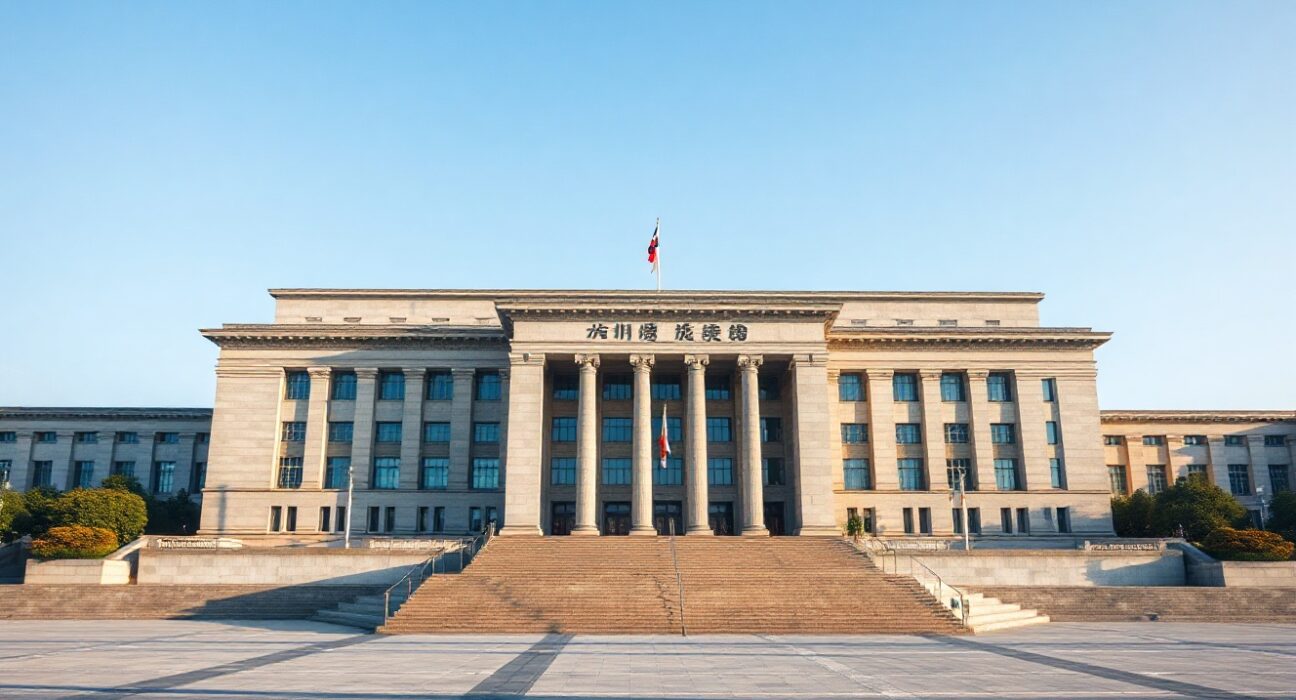
South Korea’s political leadership is signaling renewed urgency for digital asset regulation. Yoo Dong-soo, chairman of the National Assembly’s Political Affairs Committee, stated today that virtual asset legislation must be treated as a top legislative priority. Speaking during a committee meeting, Yoo emphasized that issues including a basic act on digital assets, capital market volatility, unfair contractual relationships, and protections for the self-employed are matters that “we recognize must be addressed with the utmost seriousness.”
Legislative Stalemate and Growing Frustration
The call for action comes after months of stalled progress. Fellow Democratic Party lawmaker Lee Kang-il noted at the same meeting that discussions on digital asset legislation had been ongoing for a significant period but failed to pass during the committee’s previous term. Lee described a market environment where sentiment has “completely shifted from expectation to disappointment,” urging colleagues to refocus on regaining momentum for the legislative efforts.
South Korea has long been a major hub for cryptocurrency trading, with retail investors holding substantial positions in digital assets. However, the absence of a comprehensive legal framework has left market participants exposed to volatility and unclear protections. The proposed basic act on digital assets aims to establish clear definitions, licensing requirements, and consumer safeguards, addressing gaps in existing financial laws that do not fully cover crypto-related activities.
Implications for Investors and Industry
The renewed push for legislation could have significant implications for South Korea’s crypto market, which is one of the largest in Asia. Clearer rules may attract institutional participation and reduce the risk of exchange failures or fraud. Conversely, further delays risk deepening investor distrust and pushing trading activity into unregulated offshore platforms.
What Lawmakers Are Prioritizing
According to statements from the committee meeting, the key areas of focus include:
- Basic Act on Digital Assets: A foundational law to define legal status, licensing, and oversight of digital assets and service providers.
- Capital Market Volatility: Measures to address price manipulation and protect investors from sudden market swings.
- Unfair Contractual Relationships: Rules to prevent exploitative terms in exchange user agreements and service contracts.
- Self-Employed Protections: Safeguards for individuals and small businesses that rely on crypto transactions or investments.
Conclusion
The statements from Yoo Dong-soo and Lee Kang-il mark a clear signal that South Korea’s ruling party intends to prioritize digital asset regulation in the current legislative term. Whether this translates into timely passage remains uncertain, but the shift in tone reflects growing recognition that the market cannot operate indefinitely without a legal foundation. For investors and industry participants, the coming months will be critical in determining whether South Korea moves toward a more regulated and stable crypto environment.
FAQs
Q1: What is the Basic Act on Digital Assets proposed in South Korea?
A: It is a proposed foundational law that would define the legal status of digital assets, establish licensing requirements for exchanges and service providers, and create consumer protection rules for crypto investors.
Q2: Why is the legislation considered urgent now?
A: Lawmakers cite stalled progress during the previous committee term, shifting market sentiment from expectation to disappointment, and the need to address volatility, unfair contracts, and protections for self-employed individuals involved in crypto.
Q3: How could this affect cryptocurrency investors in South Korea?
A: Clear legislation could provide stronger investor protections, reduce the risk of exchange failures, and potentially attract institutional investment. Delays may push trading to unregulated offshore platforms and deepen market uncertainty.
Disclaimer: The information provided is not trading advice, Bitcoinworld.co.in holds no liability for any investments made based on the information provided on this page. We strongly recommend independent research and/or consultation with a qualified professional before making any investment decisions.
