

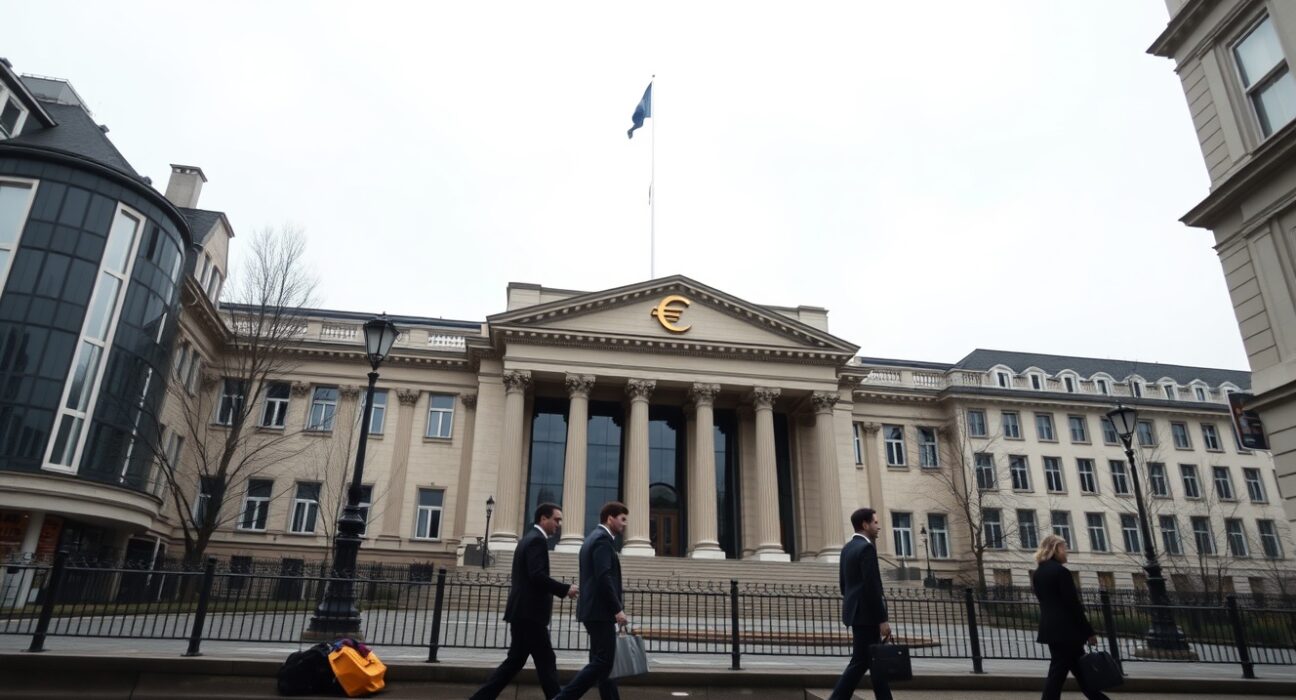
The euro faces a complex outlook as the Eurozone makes headway on disinflation, yet lingering fiscal questions continue to weigh on the currency, according to a recent analysis by BNY. The note, which focuses on the interplay between monetary policy and fiscal discipline, suggests that while price pressures are easing, the region’s economic governance remains a source of uncertainty for investors.
Disinflation Progress and the ECB’s Path
Recent data from the Eurozone indicates that inflation is steadily retreating from its peak levels, a trend that has allowed the European Central Bank (ECB) to signal a potential pause in its rate-hiking cycle. BNY acknowledges this progress, noting that core inflation measures are finally showing signs of moderation. However, the analysis cautions that the ECB’s task is not yet complete, as services inflation remains sticky and wage growth continues to pose upside risks.
Fiscal Questions Loom Large
Despite the encouraging disinflation narrative, BNY emphasizes that fiscal policy is emerging as a critical variable. Several Eurozone member states, particularly those with high debt-to-GDP ratios, are facing renewed scrutiny over their budget plans. The upcoming revision of the EU’s fiscal rules, which were suspended during the pandemic, is expected to reintroduce stricter deficit and debt targets. This transition could lead to austerity measures that dampen economic growth, creating a headwind for the euro.
Market Implications and Investor Sentiment
The combination of easing inflation and unresolved fiscal challenges presents a mixed picture for the euro. BNY suggests that the currency may remain range-bound in the near term, as markets weigh the ECB’s dovish pivot against the potential for fiscal tightening. Investors are advised to monitor political developments in key economies like Italy and France, where budget negotiations could trigger volatility. The analysis underscores that the euro’s trajectory will depend not only on inflation data but also on the credibility of fiscal consolidation plans.
Conclusion
BNY’s assessment highlights a pivotal moment for the euro, where disinflation offers relief but fiscal questions introduce new risks. For policymakers, the challenge lies in balancing price stability with sustainable public finances. For investors, the path forward requires a nuanced understanding of both monetary and fiscal dynamics. As the Eurozone navigates this delicate phase, the euro’s value will likely reflect the region’s ability to maintain economic discipline without stifling recovery.
FAQs
Q1: What is disinflation, and why is it important for the euro?
Disinflation refers to a slowdown in the rate of inflation. It is important for the euro because it allows the ECB to ease monetary policy, which can weaken the currency. However, if disinflation is accompanied by fiscal instability, the net effect on the euro can be negative.
Q2: How do fiscal rules affect the Eurozone economy?
Fiscal rules, such as limits on government debt and deficits, are designed to ensure long-term economic stability. Stricter rules can lead to spending cuts or tax increases, which may slow economic growth and reduce investor confidence, putting downward pressure on the euro.
Q3: What should investors watch for in the coming months?
Investors should monitor ECB policy announcements, inflation data, and budget negotiations in major Eurozone countries. Political stability and the implementation of fiscal reforms will be key drivers of euro volatility.
Disclaimer: The information provided is not trading advice, Bitcoinworld.co.in holds no liability for any investments made based on the information provided on this page. We strongly recommend independent research and/or consultation with a qualified professional before making any investment decisions.
