

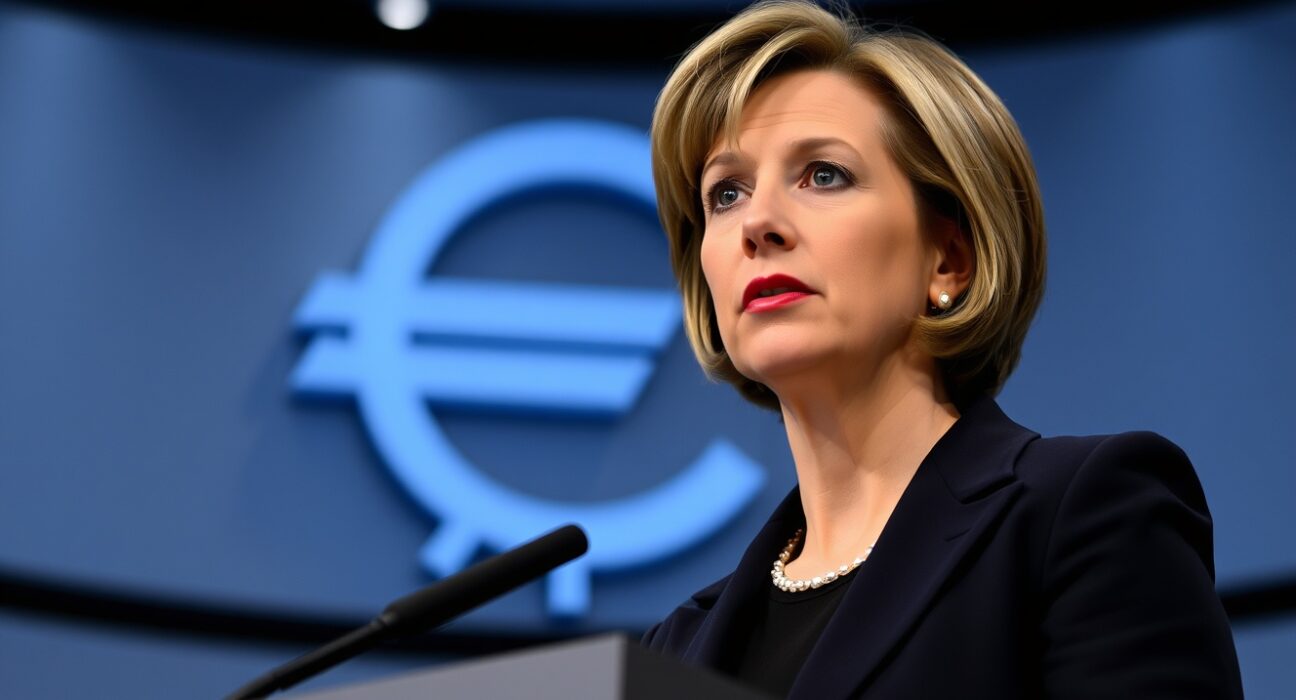
European Central Bank (ECB) Executive Board member Isabel Schnabel delivered a notable policy signal on Wednesday, stating that the current economic shock affecting the eurozone cannot be simply looked through by monetary policymakers. Her remarks, delivered during a speech in Frankfurt, underscore a growing caution within the ECB’s governing council as it navigates persistent inflationary pressures and slowing growth.
Schnabel’s Warning on Inflation Persistence
Speaking at an economic conference, Schnabel argued that the nature of the current supply-side shock differs fundamentally from previous episodes. She emphasized that central banks must respond decisively rather than assume price pressures will fade on their own. “The shock we are facing is not temporary in the sense that it can be ignored,” Schnabel said. “If we look through it, we risk de-anchoring inflation expectations.”
Her comments come at a time when the ECB has already raised interest rates at an unprecedented pace, lifting its deposit rate from negative territory to 4% in just over a year. Markets had been speculating about a potential pause or reversal, but Schnabel’s tone suggests the fight against inflation is far from over.
Policy Implications for the Eurozone
The ECB has been grappling with a complex trade-off between taming inflation and avoiding a deep recession. Schnabel’s stance signals that the central bank is prepared to tolerate some economic pain to bring inflation back to its 2% target. This hawkish rhetoric may reduce the likelihood of rate cuts in the near term, a scenario that bond markets have been pricing in.
Analysts note that Schnabel’s views carry weight within the ECB’s governing council, often representing the hawkish wing. Her latest remarks could influence the tone of upcoming policy meetings, including the December rate decision.
What This Means for Investors and Consumers
For European households and businesses, Schnabel’s message implies that borrowing costs are likely to remain elevated for longer. Mortgage rates, corporate loans, and government bond yields may stay high, dampening investment and consumption. However, the ECB’s commitment to price stability could also protect the purchasing power of the euro over the medium term.
Financial markets reacted with mild volatility following the speech, with the euro gaining slightly against the dollar and bond yields edging higher. Traders are now reassessing the probability of rate cuts in 2024.
Conclusion
Isabel Schnabel’s clear rejection of a ‘look-through’ approach marks a significant policy marker for the ECB. It reinforces the central bank’s determination to maintain a restrictive monetary stance until inflation is sustainably under control. For the eurozone economy, this means a prolonged period of tight financial conditions, with implications for growth, employment, and fiscal policy across member states.
FAQs
Q1: What did Isabel Schnabel say about the current economic shock?
She stated that the ECB cannot simply look through the current supply-side shock, warning that ignoring it could destabilize inflation expectations and require even more aggressive policy action later.
Q2: Why does Schnabel’s stance matter for ECB policy?
Her views represent a hawkish position within the ECB’s governing council, reducing the likelihood of early rate cuts and signaling that interest rates may stay higher for longer to ensure inflation returns to the 2% target.
Q3: How might this affect European consumers and businesses?
Consumers can expect continued high borrowing costs for mortgages and loans, while businesses face elevated financing expenses. This could slow economic activity but also helps preserve the euro’s purchasing power over time.
Disclaimer: The information provided is not trading advice, Bitcoinworld.co.in holds no liability for any investments made based on the information provided on this page. We strongly recommend independent research and/or consultation with a qualified professional before making any investment decisions.
