

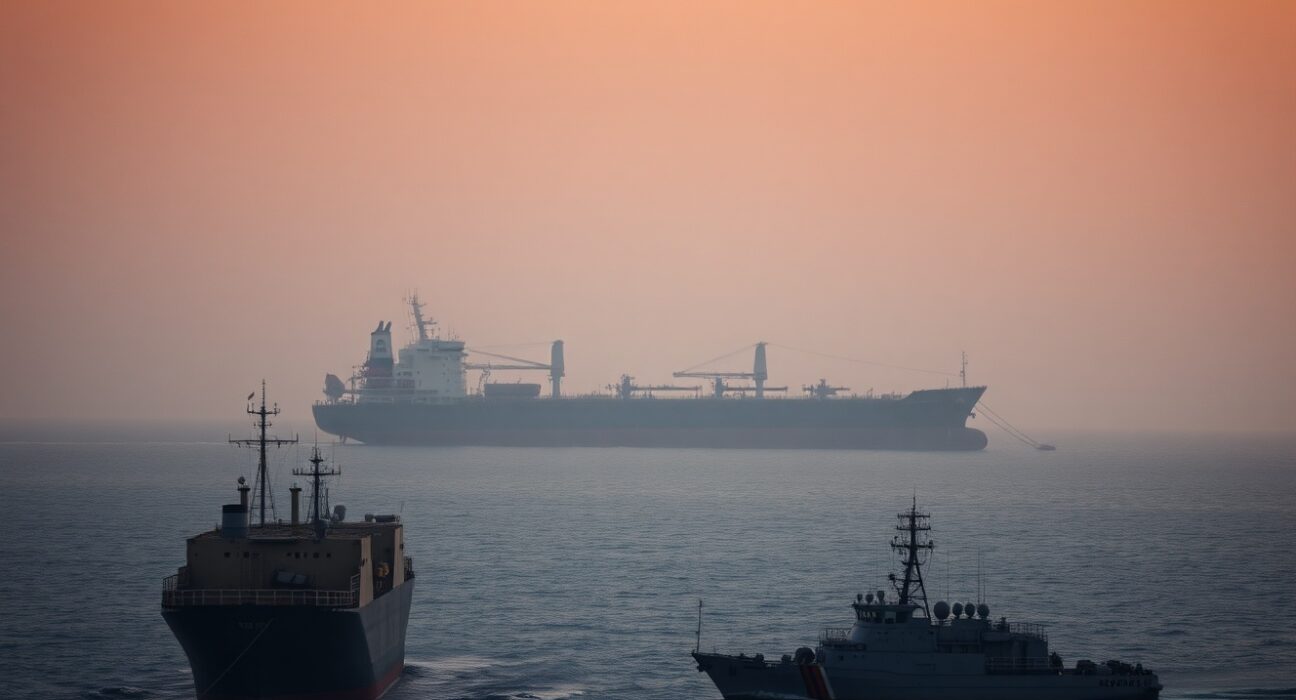
The British pound weakened against the US dollar on Wednesday as renewed geopolitical tensions in the Strait of Hormuz triggered a flight to safe-haven assets. Reports of attacks on commercial vessels near the strategic waterway prompted investors to rotate into the greenback, putting pressure on GBP/USD after a brief recovery earlier in the week.
Geopolitical Jitters Drive USD Demand
The Strait of Hormuz, a critical chokepoint for global oil shipments, has once again become a flashpoint for instability. News of attacks on shipping in the region reignited concerns about supply disruptions and broader Middle East volatility. In currency markets, this typically translates into a rush for the US dollar, which remains the world’s primary reserve currency during periods of uncertainty. The pound, already under pressure from mixed UK economic data, was particularly vulnerable to the shift in risk sentiment.
GBP/USD Technical and Fundamental Outlook
GBP/USD slipped below the 1.2700 handle during the European session, erasing gains from the previous two days. The pair had been attempting to stabilize after a recent sell-off driven by concerns over UK inflation persistence and a cautious stance from the Bank of England. However, the geopolitical catalyst has temporarily overridden domestic fundamentals. Traders are now watching for further developments in the Hormuz situation, as well as upcoming UK services PMI data, which could provide the next directional cue for sterling.
What This Means for Forex Traders
For forex traders, the immediate takeaway is that the dollar’s safe-haven appeal remains intact during geopolitical shocks. The pound’s vulnerability is compounded by the UK’s reliance on energy imports, making it more sensitive to oil price spikes that often accompany Hormuz disruptions. A sustained closure or escalation could push GBP/USD toward the 1.2500 support zone, while a de-escalation could see a sharp recovery as short-term positions are unwound.
Conclusion
The pound’s slip against the dollar highlights how quickly currency markets can pivot on geopolitical news. While UK-specific factors remain relevant, the immediate driver for GBP/USD is the evolving situation in the Strait of Hormuz. Traders should monitor shipping reports and diplomatic statements closely, as any resolution could trigger a rapid reversal in the dollar’s gains.
FAQs
Q1: Why does the Strait of Hormuz affect the pound?
The Strait of Hormuz is a key transit route for global oil. Attacks there raise oil prices and geopolitical risk, which typically strengthens the US dollar as a safe haven. The pound, being more sensitive to energy costs and global risk sentiment, often weakens in such scenarios.
Q2: Is this a long-term trend for GBP/USD?
Not necessarily. If the situation de-escalates quickly, the dollar could give back its gains. However, prolonged instability could keep pressure on sterling. UK economic data and Bank of England policy will remain the primary long-term drivers.
Q3: What levels should traders watch for GBP/USD?
Immediate support is near 1.2650, with stronger support at 1.2500. On the upside, a move back above 1.2750 could signal a recovery, with resistance at 1.2800 and then 1.2900.
Disclaimer: The information provided is not trading advice, Bitcoinworld.co.in holds no liability for any investments made based on the information provided on this page. We strongly recommend independent research and/or consultation with a qualified professional before making any investment decisions.
