

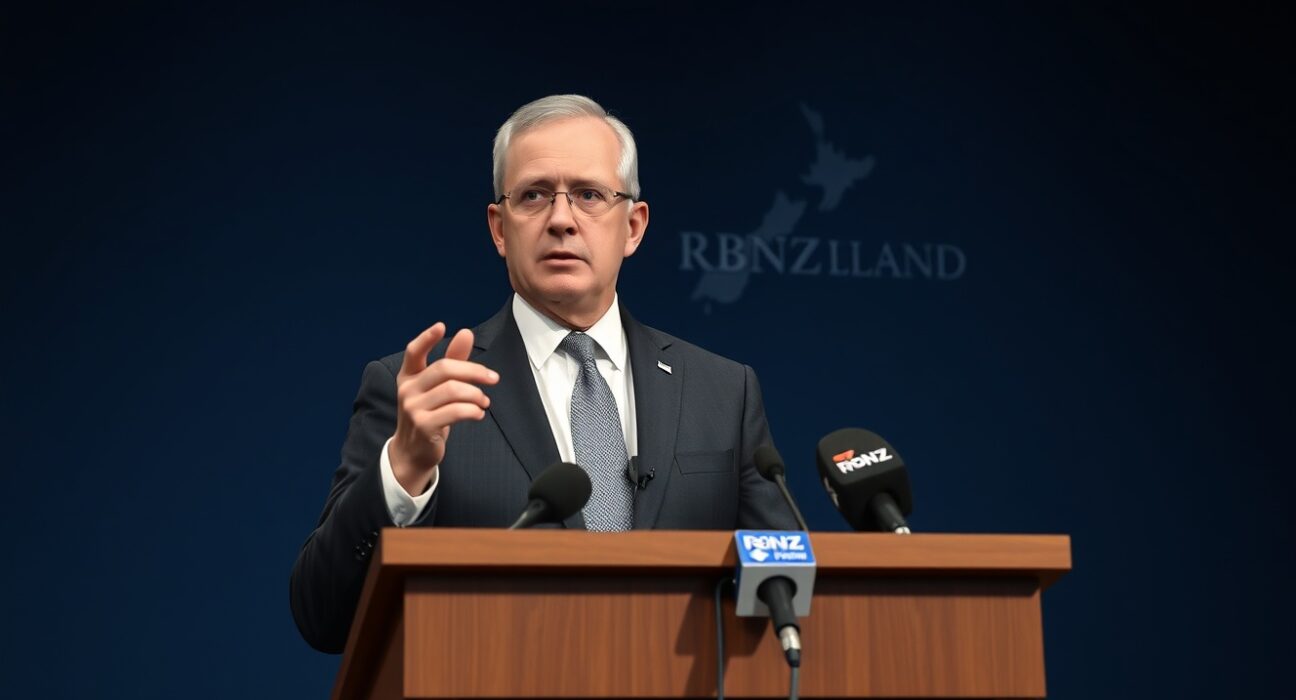
Reserve Bank of New Zealand (RBNZ) Governor Adrian Breman delivered a closely watched speech today, providing a detailed defense of the central bank’s recent decision to raise the official cash rate (OCR). The address, delivered in Wellington, offered markets and the public a clearer window into the RBNZ’s thinking on inflation, economic growth, and the likely trajectory of monetary policy in the coming months.
Defending the Decision to Hike
Breman opened his remarks by directly addressing the rationale behind the rate increase, which surprised some market participants who had anticipated a pause. He emphasized that the decision was driven by persistent underlying inflationary pressures that have proven more stubborn than initially forecast. The Governor pointed to domestic demand remaining resilient, a tight labor market, and non-tradeable inflation—prices for services and locally produced goods—that has not yet shown a decisive decline toward the RBNZ’s target band.
“Inflation expectations remain anchored, but the path back to the midpoint of our target range requires a more restrictive stance than previously assumed,” Breman stated, according to prepared remarks released by the central bank. He noted that while headline inflation has moderated from its peak, the RBNZ’s internal models suggest that without the rate increase, the disinflation process could stall.
Inflation and the Economic Outlook
The Governor provided an updated assessment of the New Zealand economy, acknowledging that growth has slowed but not to the extent that would automatically reduce price pressures. He highlighted that the housing market has shown signs of stabilization and that consumer spending, while cautious, has not collapsed. This, combined with elevated net migration, is adding to demand-side pressures.
Breman reiterated the RBNZ’s commitment to bringing inflation back to the 1–3% target range, stating that the central bank “will not declare victory prematurely.” He cautioned that the lagged effects of previous rate hikes are still working through the system, but that the recent move was a form of insurance against the risk of inflation becoming entrenched. The Governor’s tone was described by analysts as “hawkish but not alarmist,” signaling that the RBNZ is prepared to hold rates at restrictive levels for an extended period.
Market and Consumer Implications
The speech carries direct implications for mortgage holders, businesses, and investors. For households with variable-rate loans, the rate hike translates into higher monthly repayments, adding further strain on disposable incomes. Businesses, particularly in the retail and construction sectors, face continued borrowing cost pressure, which may delay investment and hiring decisions. For currency markets, the hawkish stance has provided support for the New Zealand dollar, as traders adjust expectations for the terminal rate.
Breman also addressed the global context, noting that while international inflation is easing, geopolitical risks and supply chain fragilities remain potential upside risks to the outlook. He stressed that the RBNZ is not following a predetermined path and will remain data-dependent, with future decisions hinging on incoming economic indicators.
Conclusion
Governor Breman’s speech reinforces the RBNZ’s resolve to combat inflation, even at the cost of near-term economic discomfort. By providing a clear, data-driven justification for the rate hike, the central bank aims to maintain credibility and guide expectations. For New Zealanders, the message is clear: interest rates are likely to remain higher for longer, and the path back to normal monetary policy will be gradual and cautious. The RBNZ’s next policy meeting will be closely scrutinized for any shift in this stance.
FAQs
Q1: Why did the RBNZ raise interest rates when other central banks are pausing?
New Zealand faces persistent domestic inflation, particularly in services and non-tradeable goods. The RBNZ judged that a further rate increase was necessary to ensure inflation returns sustainably to its 1–3% target, even if other economies are at different points in their cycles.
Q2: What does this mean for mortgage holders?
Borrowers with variable-rate mortgages will see an immediate increase in repayments. Those on fixed terms may face higher rates when they refinance. The RBNZ advises households to budget for continued high borrowing costs.
Q3: Will the RBNZ cut rates soon?
Governor Breman signaled that rate cuts are unlikely in the near term. The central bank intends to hold rates at a restrictive level until it sees convincing evidence that inflation is on a sustained downward trajectory toward the midpoint of the target range.
Disclaimer: The information provided is not trading advice, Bitcoinworld.co.in holds no liability for any investments made based on the information provided on this page. We strongly recommend independent research and/or consultation with a qualified professional before making any investment decisions.
