

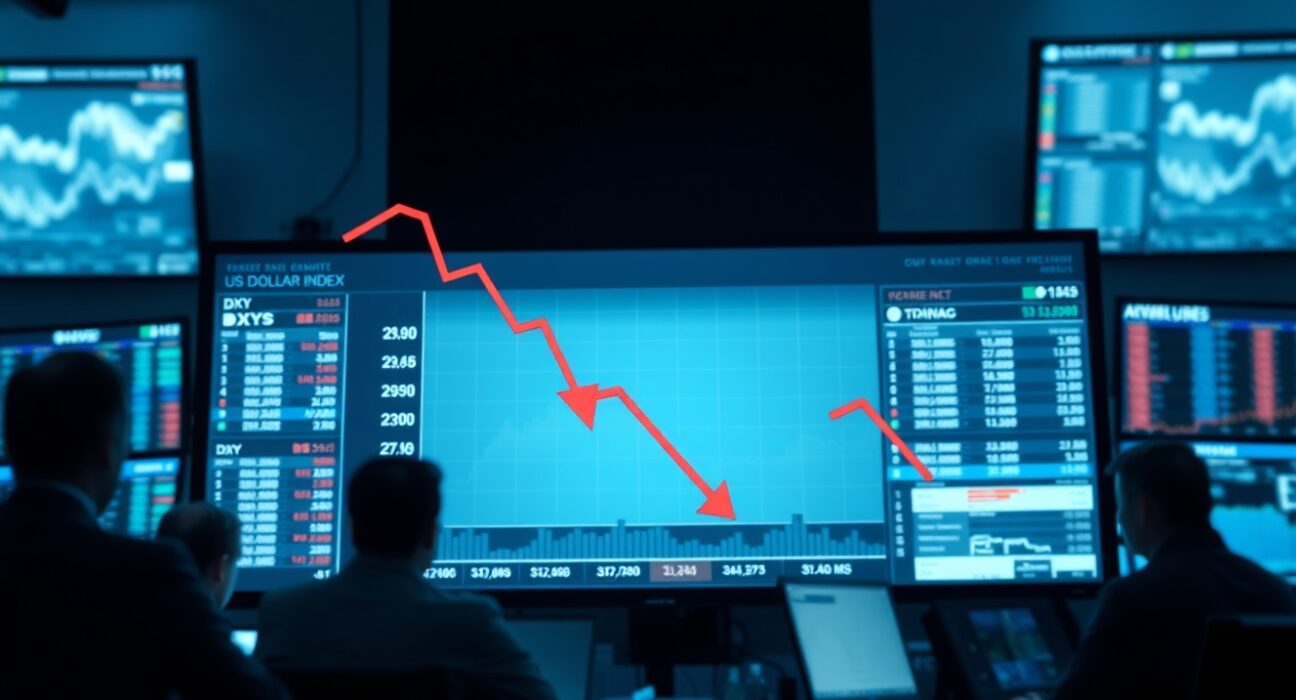
The United States Dollar Index (DXY) has declined as signs of de-escalation in the Middle East reduce safe-haven demand and temper inflation expectations. The move reflects a broader market reassessment of geopolitical risk and its potential impact on global price pressures.
Geopolitical Calm Weighs on Safe-Haven Demand
The dollar has historically benefited from periods of heightened geopolitical uncertainty, as investors flock to the world’s primary reserve currency for safety. However, recent diplomatic efforts and a reduction in direct military confrontation in the Middle East have diminished this risk premium. Without the immediate threat of supply disruptions or broader regional conflict, traders are rotating out of the dollar and into higher-yielding or risk-sensitive currencies.
Inflation Expectations and the Dollar’s Decline
Easing tensions also have a direct bearing on inflation expectations. A sustained conflict in the Middle East could disrupt energy supplies, pushing oil prices higher and fueling broader inflationary pressures. Such a scenario would likely force central banks, including the Federal Reserve, to maintain a tighter monetary policy stance. The current calm reduces this risk, allowing markets to price in a more benign inflation outlook. This shift is negative for the dollar, which had been supported by expectations of higher-for-longer interest rates.
Market Implications and Forward Outlook
The DXY’s decline is not just a reaction to geopolitics but also reflects underlying shifts in interest rate differentials. As inflation fears recede, the market is adjusting its expectations for future Federal Reserve rate cuts. A weaker dollar can have a range of knock-on effects, including providing a tailwind for emerging market currencies and commodities priced in dollars, such as gold and oil. Traders will now focus on upcoming economic data to gauge whether this trend has further room to run.
Conclusion
The recent drop in the US Dollar Index highlights the powerful interplay between geopolitics, inflation expectations, and currency markets. While the immediate catalyst is the easing of Middle East tensions, the underlying driver is a recalibration of risk and monetary policy outlooks. Investors should monitor diplomatic developments and upcoming inflation data for further direction.
FAQs
Q1: What is the US Dollar Index (DXY)?
The US Dollar Index (DXY) measures the value of the US dollar against a basket of six major foreign currencies: the euro, Japanese yen, British pound, Canadian dollar, Swedish krona, and Swiss franc. It is a widely used benchmark for the dollar’s overall strength.
Q2: Why does geopolitical tension affect the dollar?
During periods of geopolitical uncertainty, investors seek safe-haven assets. The US dollar is considered a primary safe haven due to the size and liquidity of US financial markets. Increased demand for safety typically pushes the dollar higher.
Q3: How does the Middle East situation affect inflation?
The Middle East is a key region for global oil production. Conflict or instability can disrupt oil supplies, leading to higher energy prices. Since energy is a major input across the economy, higher oil prices can drive up overall inflation, impacting central bank policy.
Disclaimer: The information provided is not trading advice, Bitcoinworld.co.in holds no liability for any investments made based on the information provided on this page. We strongly recommend independent research and/or consultation with a qualified professional before making any investment decisions.
