

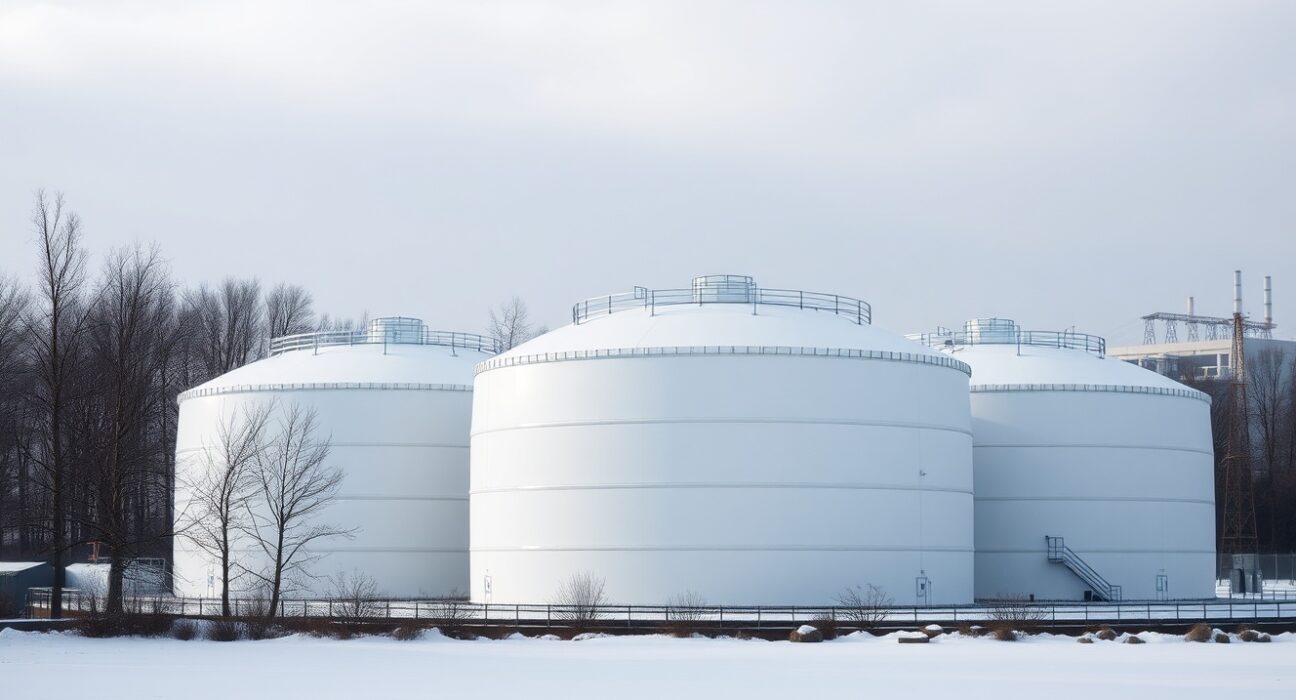
European natural gas prices are finding support from persistently tight storage levels, according to a recent analysis by ING. The report highlights that while demand has softened in some sectors, the pace of withdrawals from storage facilities remains elevated, keeping the market on edge as the heating season progresses.
Storage Drawdowns and Market Pressure
ING’s analysts note that storage inventories across Europe are currently below the five-year average for this time of year. This is partly due to a colder-than-expected start to winter in several regions, which accelerated the rate of gas consumption. The low storage buffer means that any additional supply disruption or a prolonged cold spell could quickly translate into price spikes.
The situation is compounded by ongoing geopolitical tensions and reduced pipeline flows from Russia, which have fundamentally altered the region’s gas supply dynamics. While liquefied natural gas (LNG) imports have helped fill the gap, competition with Asian markets for cargoes remains fierce, limiting the ability to rapidly rebuild stocks.
Implications for Consumers and Industry
For European households and businesses, the tight storage situation translates into continued upward pressure on energy bills. Industrial users, particularly in energy-intensive sectors like chemicals and manufacturing, face higher operational costs, which could weigh on economic recovery. ING’s analysis suggests that unless there is a significant and sustained period of mild weather, prices are likely to remain elevated through the first quarter.
What This Means for the Broader Energy Transition
The ongoing volatility in natural gas markets reinforces the strategic importance of diversifying energy sources and accelerating investments in renewable energy and storage solutions. It also underscores the need for coordinated policy responses at the EU level to ensure energy security without derailing climate goals.
Conclusion
ING’s assessment serves as a reminder that Europe’s natural gas market remains in a fragile state. With storage levels tighter than usual and supply risks persisting, prices are likely to stay supported in the near term. Market participants will be closely watching weather forecasts and LNG arrival schedules for signs of relief.
FAQs
Q1: Why are European natural gas storage levels considered tight?
Storage levels are below the five-year average due to colder weather, reduced pipeline supply from Russia, and high demand. This creates a smaller buffer against supply disruptions.
Q2: How does tight storage affect natural gas prices?
When storage is low, the market becomes more sensitive to any supply or demand changes, often leading to higher and more volatile prices as traders price in the risk of shortages.
Q3: What can Europe do to ease the pressure on gas storage?
Options include increasing LNG imports, implementing demand reduction measures, accelerating renewable energy deployment, and improving interconnector capacity to move gas more efficiently across the continent.
Disclaimer: The information provided is not trading advice, Bitcoinworld.co.in holds no liability for any investments made based on the information provided on this page. We strongly recommend independent research and/or consultation with a qualified professional before making any investment decisions.
