

Austria’s industrial production rose 0.7% year-on-year in May 2024, according to data released by Statistics Austria. The figure represents a slight acceleration from the revised 0.6% growth recorded in April, signaling continued, albeit modest, expansion in the country’s manufacturing sector.
Steady but Slow Growth in Austrian Manufacturing
The May increase, while marginal, suggests that Austria’s industrial sector is maintaining a stable trajectory amid a mixed European economic backdrop. The data, which is seasonally and calendar-adjusted, covers key industries including automotive, machinery, and chemical production. Analysts had broadly expected a reading in line with the previous month, making the uptick a minor positive surprise.
On a month-on-month basis, industrial production also showed resilience, though specific month-over-month figures were not highlighted in the latest release. The year-on-year comparison remains the primary focus for economists tracking long-term trends.
Context Within the Broader European Economy
Austria’s industrial output is closely watched as a bellwether for Central European manufacturing. The country’s economy, heavily integrated with German supply chains, has faced headwinds from elevated energy costs and subdued global demand. However, the latest data suggests that industrial activity is stabilizing after a period of volatility in late 2023.
Compared to the Eurozone average, Austria’s industrial production has performed relatively well. The European Commission’s economic sentiment indicator for Austria has remained broadly steady, and the manufacturing PMI, while still in contraction territory, has shown signs of bottoming out.
What This Means for Investors and Policymakers
For market observers, the steady increase reinforces the view that Austria’s industrial base remains fundamentally sound. The data may also influence the Austrian central bank’s outlook on economic growth, particularly as inflation continues to moderate. Policymakers in Vienna are likely to view the figures as supporting a narrative of gradual recovery rather than a sharp rebound.
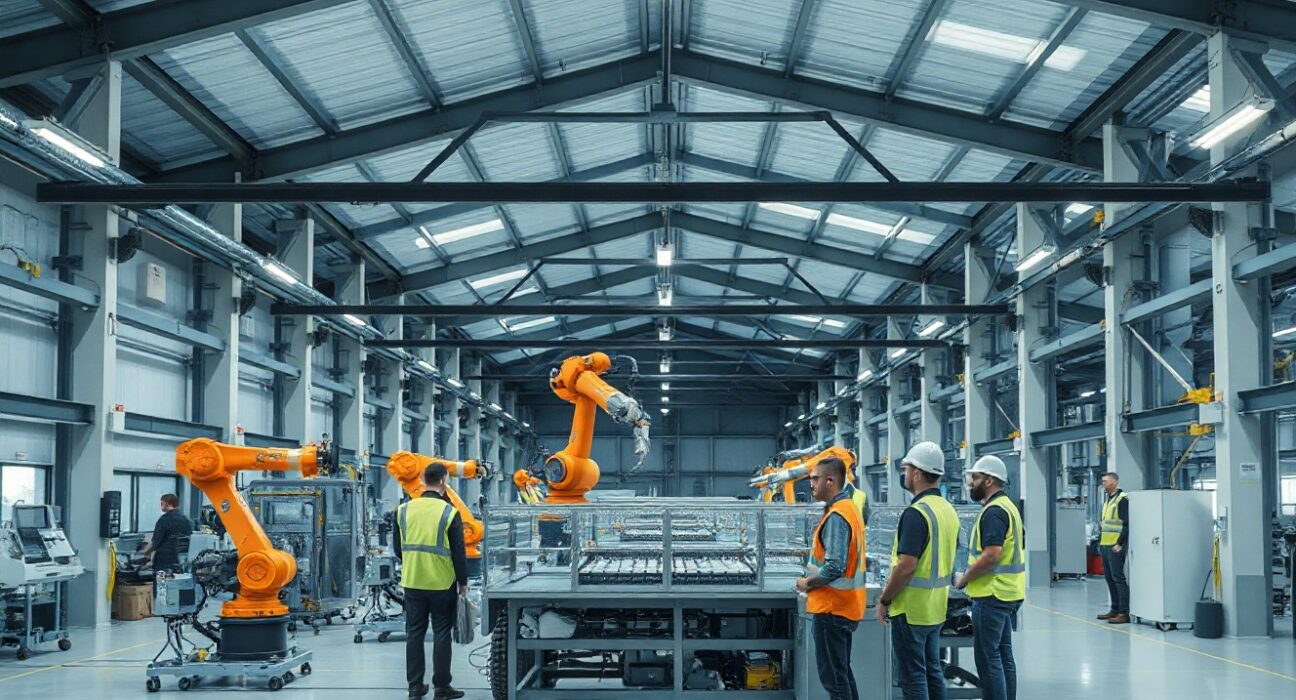
Key sectors driving the uptick include electrical equipment manufacturing and the production of machinery and equipment, which have benefited from sustained investment in automation and green technology.
Conclusion
Austria’s industrial production edged up to 0.7% year-on-year in May 2024, confirming a pattern of slow but steady expansion. While the gain is modest, it provides a reassuring signal for the country’s manufacturing sector amid broader European economic uncertainties. Continued monitoring of monthly data will be essential to determine whether this trend can be sustained into the second half of the year.
FAQs
Q1: What does ‘industrial production (YoY)’ mean?
A: It measures the change in the total output of Austria’s industrial sector compared to the same month in the previous year. A positive percentage indicates growth.
Q2: Why is Austria’s industrial production data important?
A: Industrial production is a key indicator of economic health. It affects GDP, employment, and trade balances. For Austria, it also reflects the strength of its manufacturing ties with Germany and other European partners.
Q3: How does this compare to other European countries?
A: Austria’s 0.7% growth is modest but positive, contrasting with some Eurozone peers that have experienced stagnation or slight contraction. It suggests relative resilience in Central European manufacturing.
Disclaimer: The information provided is not trading advice, Bitcoinworld.co.in holds no liability for any investments made based on the information provided on this page. We strongly recommend independent research and/or consultation with a qualified professional before making any investment decisions.
