

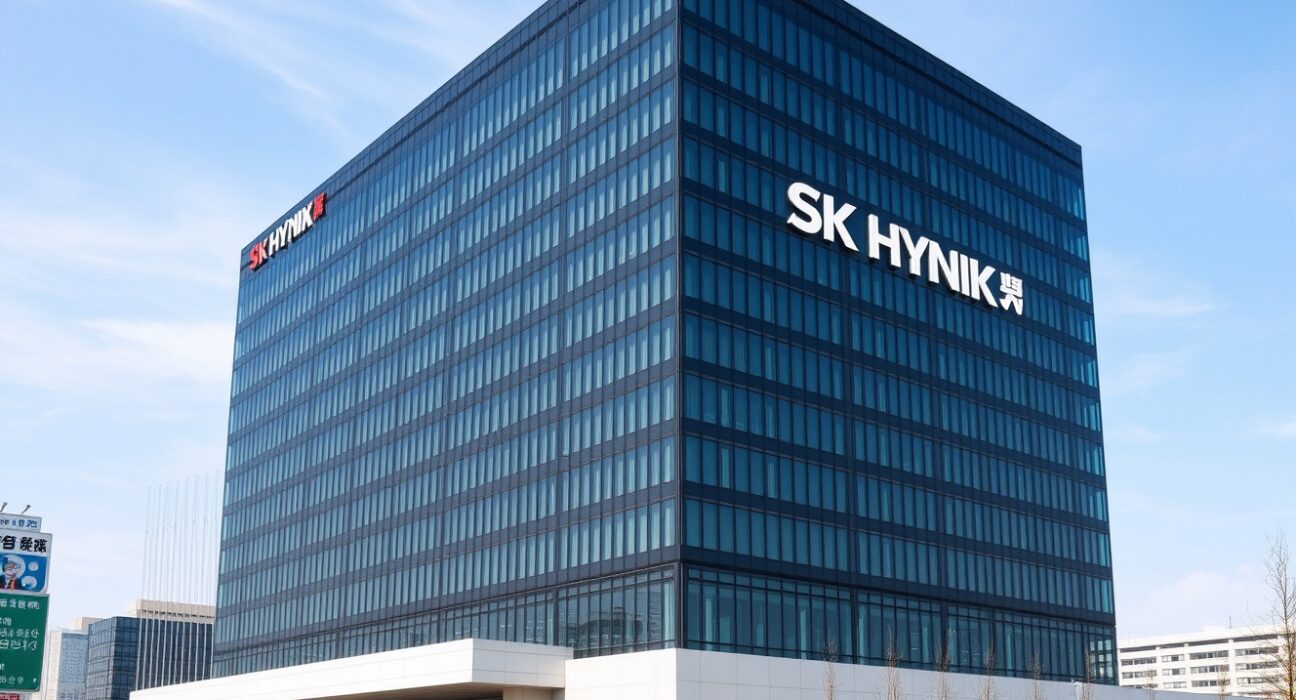
SK Hynix’s potential initial public offering (IPO) on a US stock exchange is drawing renewed investor attention to the memory chip sector, a market long dominated by a handful of major players. The South Korean semiconductor giant, one of the world’s largest producers of memory chips, is reportedly exploring a listing that could be one of the largest technology IPOs in recent years.
The Significance of a US Listing
For SK Hynix, a US IPO would provide direct access to a deeper pool of capital and a broader investor base, particularly in a market that has shown strong appetite for semiconductor stocks. The move also comes at a time when global demand for memory chips, used in everything from smartphones and data centers to artificial intelligence (AI) accelerators, is experiencing a cyclical upswing.
The company’s dominant position in the high-bandwidth memory (HBM) market, a critical component for AI processors, has made it a key beneficiary of the AI boom. This strategic advantage is a central reason why the IPO is generating significant interest among institutional and retail investors alike.
Market Implications for Memory Stocks
The announcement has refocused attention on the broader memory stock landscape, which includes rivals such as Samsung Electronics and Micron Technology. Historically, the memory market has been characterized by boom-and-bust cycles driven by supply-demand imbalances. However, the structural demand from AI and cloud computing is seen as a potential stabilizer.
Investors are now evaluating whether the memory sector can sustain its current momentum. The IPO could serve as a catalyst, prompting a reassessment of valuations across the industry. Analysts note that a successful listing would not only validate SK Hynix’s growth strategy but also signal confidence in the long-term demand for memory products.
What This Means for Investors
For those tracking semiconductor investments, the SK Hynix IPO represents a rare opportunity to gain direct exposure to a pure-play memory leader in the US market. The listing could also pressure competitors to consider similar moves, potentially increasing liquidity and transparency in the sector.
However, risks remain. The memory market is highly cyclical, and geopolitical tensions, particularly between the US and China, continue to create uncertainty for chipmakers with global supply chains. Investors should weigh these factors alongside the growth potential.
Conclusion
SK Hynix’s US IPO is more than a corporate financial event; it is a bellwether for the memory chip industry’s evolving role in the global economy. As AI and data-centric technologies drive demand, the listing could reshape how investors view and value memory stocks. The coming months will be critical as the company navigates regulatory and market conditions to bring the offering to fruition.
FAQs
Q1: Why is SK Hynix pursuing a US IPO?
A1: SK Hynix is seeking a US listing to access a larger capital market, attract a broader investor base, and potentially achieve a higher valuation compared to its current listing in South Korea. The move also aligns with its strategy to capitalize on AI-driven demand for memory chips.
Q2: How will the IPO affect other memory stocks like Micron and Samsung?
A2: The IPO could increase competition for investor attention and capital. It may also prompt a market-wide revaluation of memory stocks if SK Hynix achieves a high valuation, highlighting the sector’s growth potential tied to AI and data centers.
Q3: What are the main risks associated with investing in memory stocks?
A3: The primary risks include cyclical demand swings, price volatility in memory chips, geopolitical trade tensions, and supply chain disruptions. Investors should monitor industry cycles and company-specific fundamentals closely.
Disclaimer: The information provided is not trading advice, Bitcoinworld.co.in holds no liability for any investments made based on the information provided on this page. We strongly recommend independent research and/or consultation with a qualified professional before making any investment decisions.
