

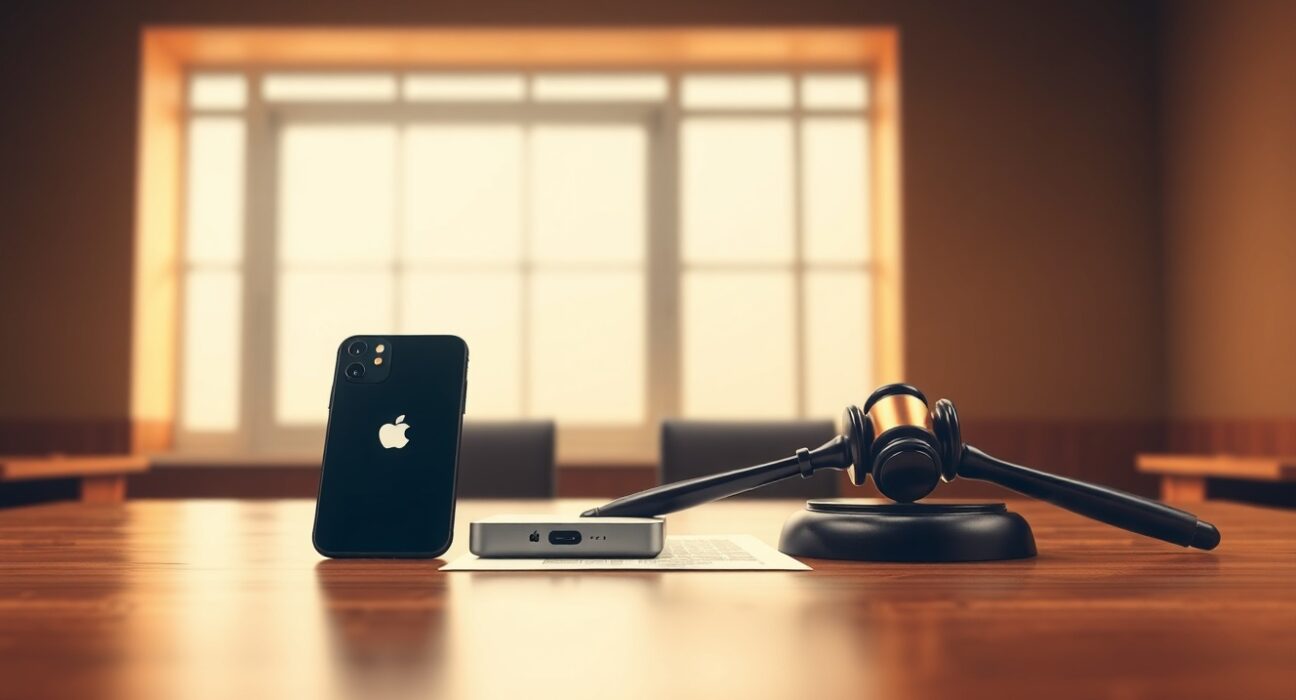
Apple has filed a lawsuit against OpenAI in the U.S. District Court for the Northern District of California, alleging a coordinated campaign of trade secret theft and breach of contract by former Apple employees now working at the AI company. The complaint, made public on Friday, accuses OpenAI’s senior leadership, including Chief Hardware Officer Tang Tan, of orchestrating the misappropriation of confidential information related to Apple’s unreleased technologies, features, and products.
Allegations Against OpenAI Leadership
The lawsuit centers on Tang Tan, who spent 24 years at Apple, most recently as Vice President of Product Design for the iPhone and Apple Watch. Apple alleges that Tan used confidential Apple project code names during OpenAI’s recruiting process, instructed job candidates to bring Apple hardware components to interviews, coached departing employees on how to bypass Apple’s security protocols, and solicited details about unannounced products. The filing describes these actions as part of a broader strategy by OpenAI to extract Apple’s intellectual property to fuel its own hardware ambitions.
Apple also names Chang Liu, a former senior systems electrical engineer who spent eight years at the company. The complaint alleges that Liu failed to return an Apple-issued laptop after leaving for OpenAI in 2026 and used the device to download confidential technical documents, including engineering presentations, proprietary project data, and specifications for unannounced technologies. Liu is further accused of sharing this information with other Apple employees applying for jobs at OpenAI.
Context: OpenAI’s Hardware Ambitions
The lawsuit arrives as OpenAI is reportedly developing its first hardware product, a device that industry analysts suggest could be a smartphone relying on AI agents rather than traditional apps. If true, such a product would directly compete with Apple’s iPhone, representing one of the most significant threats to Apple’s core hardware business in years. The complaint references OpenAI’s acquisition of Jony Ive’s device startup, io, in a $6.5 billion deal last year, which the AI company is using to advance its hardware development. While io is named in the filing, Ive is not.
Apple alleges that OpenAI has already used stolen trade secrets in its hardware development. The filing cites a proprietary metal finishing technique that OpenAI allegedly used after misleading a partner into believing it had Apple’s permission. Apple states that its ongoing investigation has uncovered evidence that OpenAI and its partners have directly incorporated Apple’s confidential information into their own product development.
Why This Lawsuit Matters
This case underscores the intensifying competition between Apple and OpenAI as the AI industry moves into hardware. For Apple, protecting its intellectual property is critical to maintaining its competitive edge in product design and innovation. For OpenAI, the lawsuit threatens to expose the inner workings of its hardware strategy through the legal discovery process. The outcome could set a precedent for how tech companies handle trade secrets when employees move between competitors, particularly in the rapidly evolving AI sector.
Apple is seeking a court order to bar OpenAI from using or disclosing its trade secrets, require the return of all confidential materials, and preserve evidence. The company also sent a letter to OpenAI in February raising its concerns, but received no response, according to the complaint.
Conclusion
The lawsuit represents a significant escalation in the relationship between two of the most influential companies in technology. As the case unfolds, it will likely provide greater insight into OpenAI’s hardware plans and the extent of the alleged misconduct. Apple has stated that it will defend its teams’ work and innovations, while OpenAI has not yet publicly responded to the allegations. This story is developing and will be updated as new information becomes available.
FAQs
Q1: What is Apple accusing OpenAI of?
Apple accuses OpenAI of systematic trade secret theft and breach of contract, alleging that former Apple employees, including Chief Hardware Officer Tang Tan, stole confidential information about unreleased products and technologies to benefit OpenAI’s own hardware development.
Q2: Who is Tang Tan, and why is he central to the lawsuit?
Tang Tan is OpenAI’s Chief Hardware Officer who previously spent 24 years at Apple as Vice President of Product Design for the iPhone and Apple Watch. Apple alleges he used his position and knowledge to orchestrate the theft of trade secrets, including using confidential project code names and coaching departing employees on how to evade security.
Q3: What is OpenAI’s connection to hardware development?
OpenAI is reportedly developing its first hardware product, potentially an AI-centric smartphone that would compete with the iPhone. The company acquired Jony Ive’s device startup, io, in a $6.5 billion deal last year to support these ambitions. Apple’s lawsuit alleges that OpenAI has used stolen trade secrets in this development process.
Disclaimer: The information provided is not trading advice, Bitcoinworld.co.in holds no liability for any investments made based on the information provided on this page. We strongly recommend independent research and/or consultation with a qualified professional before making any investment decisions.
