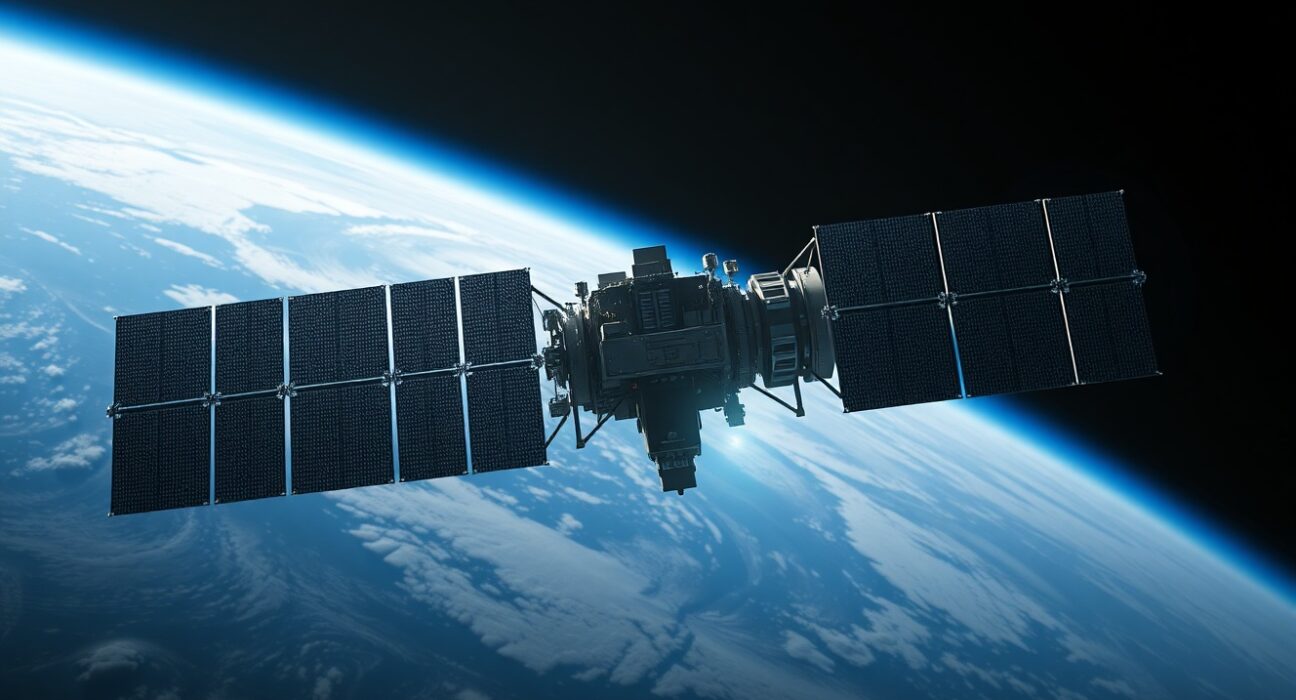
The public exchange between Sam Altman and Elon Musk over the weekend was more than just another billionaire spat. When Altman accused Musk of selling public market investors on “short-term space datacenters,” he was voicing a consensus that has quietly formed among engineers, entrepreneurs, and researchers who have actually done the math. The core question is not whether orbital AI compute is possible, but whether it will be commercially meaningful within the next decade. The answer, according to most subject-matter experts, is no.
The gap between vision and orbital reality
SpaceX’s ambitious plans to deploy a fleet of orbital data centers for AI inference tasks have been a major factor in the company’s two-trillion-dollar valuation. Bullish analysts point to the potential for SpaceXAI to run models in space or operate as an orbital neocloud, offering latency advantages for certain applications. But when you move past the pitch decks and talk to the people building actual space data center startups, the team at Google working on orbital compute, or independent engineers who have run the numbers, the same conclusion emerges: the economics do not work until launch costs drop dramatically and high-powered satellites can be manufactured at scale.
Why Starship isn’t the silver bullet—yet
Musk’s standard rebuttal is Starship. The massive rocket is scheduled for its thirteenth test flight as early as July 16, and if SpaceX can achieve rapid reusability, the business case for space data centers improves significantly. However, even a successful dual-stage recovery on that flight would leave operational reusable flights years away. More critically, SpaceX conceded during its IPO roadshow that Starship may not be fully reusable in the near term, meaning each second stage would be discarded. That would make economical space data centers all but impossible.
What experts actually believe
Entrepreneurs behind other space data center startups have told this publication that the technology works in prototype form, but scaling is the bottleneck. Google’s orbital compute project, which has been in development for years, is not expected to produce a commercial service this decade. Engineers who have modeled the economics privately say that even with Starship’s promised cost reductions, the per-kilogram price for high-performance computing hardware in orbit remains prohibitive for any use case that isn’t government or defense-related.
Musk’s claim that SpaceX will “start flying them next year” is technically true in the narrowest sense: launching a single experimental satellite equipped for high-speed data processing is plausible. But launching and manufacturing them at scale is a question for the 2030s, not the 2020s. The distinction matters because public market valuations are being built on the latter timeline.
Why this matters to investors and the AI industry
The space data center narrative has become a significant component of SpaceX’s valuation story. If the timeline for orbital AI compute is actually a decade or more away, investors may need to recalibrate their expectations for SpaceXAI’s near-term revenue. For the broader AI industry, the debate highlights a recurring pattern: the gap between what is technologically possible and what is economically viable. Orbital data centers will likely happen eventually, but the path to profitability is longer and harder than the hype suggests.
Conclusion
The Altman-Musk exchange pulled back the curtain on a debate that has been happening quietly among experts for years. While both men have incentives to shape the narrative, the engineering and economic realities support Altman’s skepticism. Space data centers are not a near-term commercial opportunity, and pretending otherwise risks distorting both investment decisions and public understanding of what AI infrastructure will look like in the coming decade.
FAQs
Q1: Are space data centers technically feasible?
Yes, prototype systems exist. The challenge is economic: launching and operating high-performance computing hardware in orbit is extremely expensive with current rocket technology.
Q2: Could Starship change the economics?
Potentially, but only if Starship achieves rapid, full reusability—a milestone that is likely years away. SpaceX has acknowledged that near-term Starship flights may still involve discarding second stages.
Q3: When do experts expect space data centers to be commercially viable?
Most independent analysts and engineers estimate the 2030s, assuming continued progress in launch costs and satellite manufacturing. Near-term commercial services are not considered realistic.
Disclaimer: The information provided is not trading advice, Bitcoinworld.co.in holds no liability for any investments made based on the information provided on this page. We strongly recommend independent research and/or consultation with a qualified professional before making any investment decisions.