

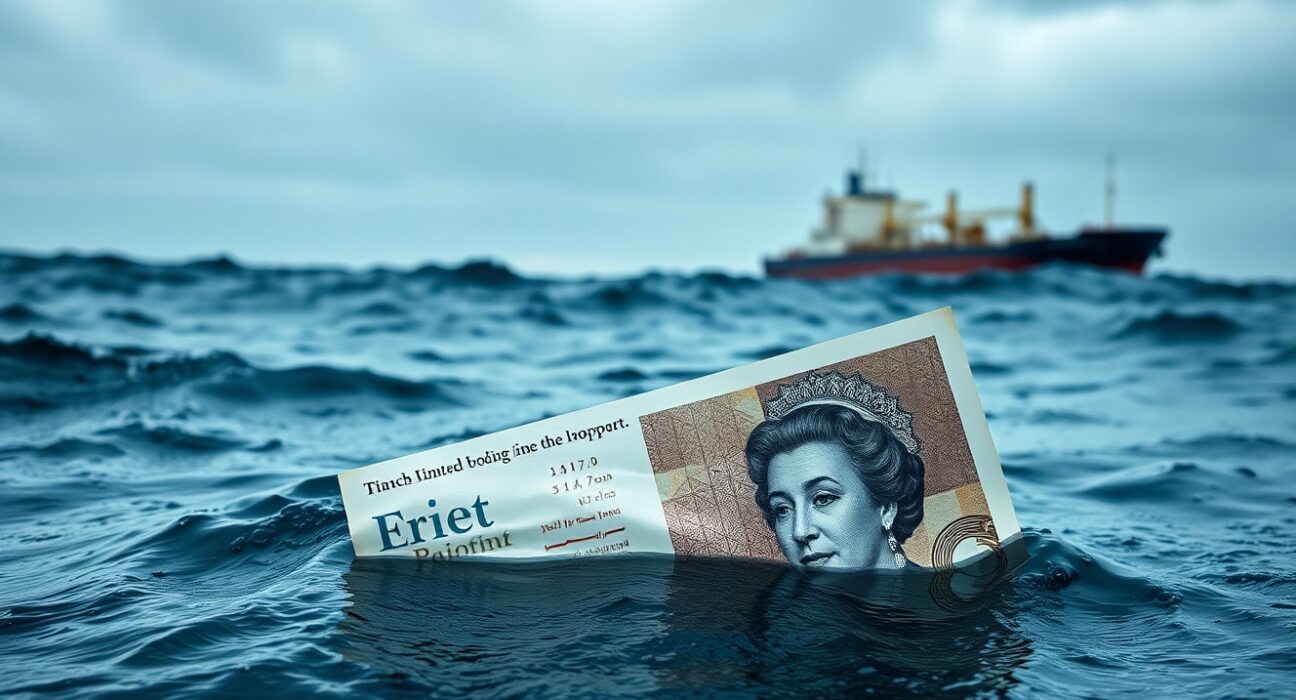
The British pound sterling is facing renewed downward pressure this week as reports confirm the establishment of a de facto maritime toll system in the Strait of Hormuz under the Trump administration — a policy the former president explicitly promised would never materialize. Currency markets are reacting to the unfolding geopolitical shift, which threatens to increase shipping costs, disrupt energy supplies, and weigh on the UK’s trade balance.
The Strait of Hormuz Toll: What Changed?
According to multiple shipping and diplomatic sources, the US has quietly implemented a system requiring commercial vessels transiting the Strait of Hormuz to pay a fee for passage security, effectively creating a toll booth in one of the world’s most critical oil chokepoints. This marks a stark reversal from earlier campaign rhetoric, where then-candidate Donald Trump repeatedly stated that such a toll would never be imposed under his watch. The policy shift, reportedly framed as a cost-recovery measure for naval patrols, has drawn sharp criticism from allies and adversaries alike.
Why the Pound Is Taking the Hit
The pound’s weakness stems from multiple interconnected factors. The UK imports a significant portion of its crude oil and refined petroleum products from Middle Eastern sources that pass through the Strait of Hormuz. Higher transit costs directly translate into increased energy prices for British consumers and businesses. Additionally, the uncertainty surrounding the policy’s longevity and potential retaliatory measures from regional powers is dampening investor confidence in sterling-denominated assets.
Market Reaction and Immediate Impact
Currency traders have moved swiftly, with the GBP/USD pair slipping below the 1.24 level for the first time in three weeks. Analysts at several London-based forex desks note that the move is less about a direct UK vulnerability and more about a broader risk-off sentiment triggered by the unilateral US action. The Japanese yen and Swiss franc have strengthened as safe-haven flows intensify, while the pound, already under pressure from sluggish domestic growth, is bearing the brunt of the geopolitical premium.
Broader Implications for Global Trade and Energy Security
The toll system, if enforced consistently, could add an estimated $0.50 to $1.50 per barrel to the cost of crude oil transiting the strait, according to preliminary industry estimates. For the UK, which imported roughly 12 million tonnes of crude oil from Middle Eastern sources last year, the annualized cost increase could run into the hundreds of millions of pounds. Beyond direct energy costs, the policy risks escalating tensions with Iran and other Gulf states, potentially leading to retaliatory restrictions on shipping or insurance coverage.
Conclusion
The British pound’s decline in response to the Hormuz toll policy highlights the currency’s sensitivity to geopolitical shocks and energy price volatility. While the immediate market reaction may be tempered by diplomatic negotiations, the structural implications for UK trade and energy costs are significant. Traders and policymakers alike will be watching closely for further details on enforcement, exemptions, and potential multilateral responses. The episode serves as a reminder that campaign promises can quickly give way to geopolitical realities, with currency markets serving as the first line of adjustment.
FAQs
Q1: What exactly is the Strait of Hormuz toll system?
A: It is a reported US-led policy requiring commercial vessels passing through the Strait of Hormuz to pay a fee for maritime security patrols, effectively acting as a toll for transit through the strategic waterway.
Q2: How does this directly affect the British pound?
A: The UK relies on Middle Eastern oil imports that pass through the strait. Higher transit costs raise energy prices and uncertainty, weakening investor confidence in the pound and triggering sell-offs in GBP-denominated assets.
Q3: Is this policy permanent or temporary?
A: The status of the policy remains unclear. No official timeline or sunset clause has been announced, and diplomatic pushback from allies and regional powers may lead to revisions or exemptions.
Disclaimer: The information provided is not trading advice, Bitcoinworld.co.in holds no liability for any investments made based on the information provided on this page. We strongly recommend independent research and/or consultation with a qualified professional before making any investment decisions.
