

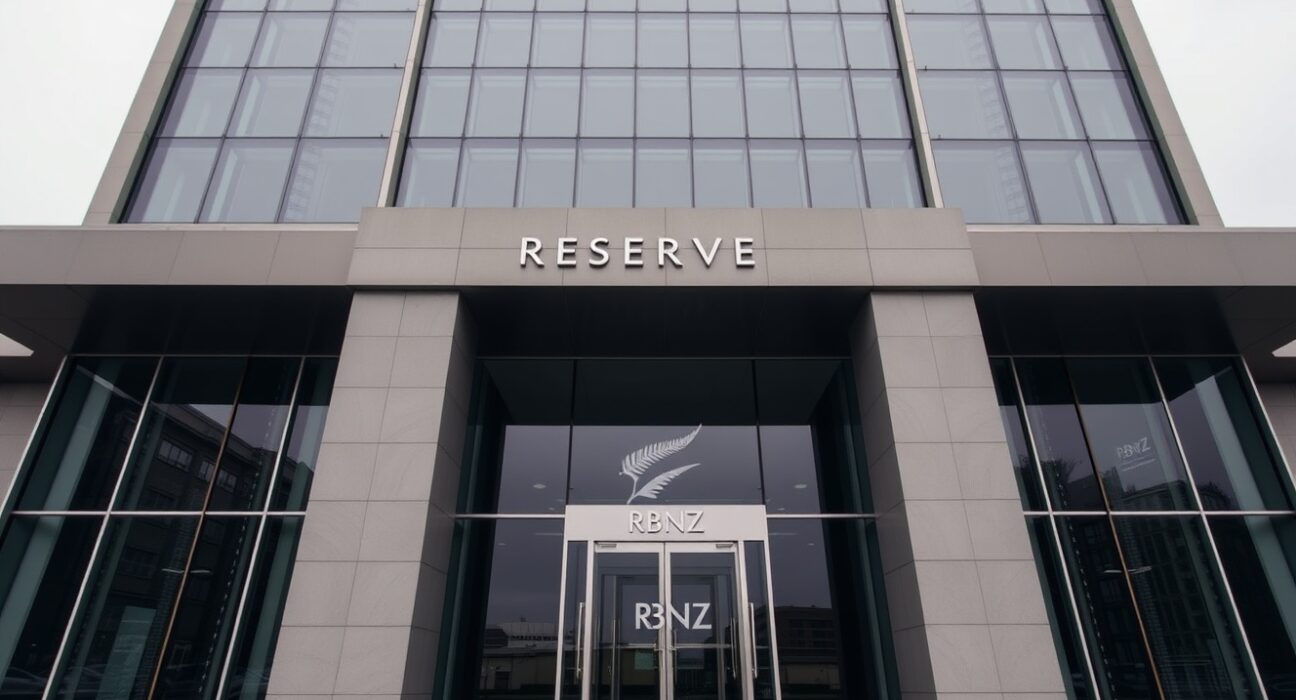
Reserve Bank of New Zealand (RBNZ) Chief Economist Paul Conway has stated that inflation is expected to return to the central bank’s 2% target over the medium term, providing a measured outlook on the country’s monetary policy trajectory. Speaking at a recent economic forum, Conway emphasized that while price pressures remain elevated, the RBNZ’s current policy settings are appropriately calibrated to guide inflation back to its target range without causing unnecessary economic disruption.
Inflation Outlook and Monetary Policy Context
New Zealand’s inflation rate has been above the RBNZ’s 1-3% target band for several quarters, driven by global supply chain disruptions, domestic demand pressures, and higher energy costs. The central bank has responded with a series of official cash rate (OCR) increases, among the most aggressive in the developed world. Conway’s remarks suggest that the RBNZ sees the current tightening cycle as sufficient to achieve its inflation goal, though the timing remains dependent on incoming data.
The medium-term timeframe implies that the RBNZ does not expect a rapid return to target inflation, but rather a gradual decline over the next one to two years. This aligns with recent forecasts from the RBNZ’s Monetary Policy Statement, which projected inflation falling to around 3% by late 2024 and reaching 2% by 2025. Conway noted that the labor market remains tight, with wage growth adding to domestic cost pressures, but that these factors are expected to moderate as economic activity slows.
Implications for Borrowers and Businesses
For homeowners and businesses, Conway’s comments provide a degree of certainty that interest rates may have peaked or are near their peak. However, the RBNZ has cautioned that it remains data-dependent and will not hesitate to tighten further if inflation proves sticky. Mortgage holders with floating or short-term fixed rates have already faced significantly higher repayments, and the outlook suggests that relief is unlikely before 2025.
Businesses, particularly in retail and construction, are feeling the pinch of higher borrowing costs and softer consumer demand. The RBNZ’s medium-term inflation target offers a roadmap for planning, but uncertainty around global economic conditions, including China’s slowdown and geopolitical risks, could alter the path.
Key Factors Influencing the Inflation Outlook
- Global commodity prices: Lower oil and food prices have helped ease headline inflation, but core services inflation remains elevated.
- Domestic demand: Household spending has cooled as higher mortgage rates reduce disposable income.
- Labor market: Unemployment remains near historic lows, but wage pressures are beginning to ease as hiring slows.
- Exchange rate: A weaker New Zealand dollar could import inflation, offsetting some progress.
Conclusion
Conway’s assessment reinforces the RBNZ’s commitment to its inflation target while acknowledging the balancing act required to avoid a hard landing. For investors and the public, the message is one of cautious optimism: inflation is heading in the right direction, but the journey will take time. The RBNZ’s next monetary policy decision will be closely watched for any shift in tone or guidance.
FAQs
Q1: What did RBNZ’s Conway say about inflation?
He stated that inflation is expected to return to the 2% target over the medium term, indicating a gradual decline rather than a rapid drop.
Q2: When does the RBNZ expect inflation to reach 2%?
Based on recent forecasts, inflation is projected to reach 2% by 2025, though the exact timing depends on economic data.
Q3: Will interest rates come down soon?
Conway’s comments suggest the OCR may have peaked, but the RBNZ remains data-dependent. Rate cuts are not expected until inflation is sustainably within the target band.
Disclaimer: The information provided is not trading advice, Bitcoinworld.co.in holds no liability for any investments made based on the information provided on this page. We strongly recommend independent research and/or consultation with a qualified professional before making any investment decisions.
