

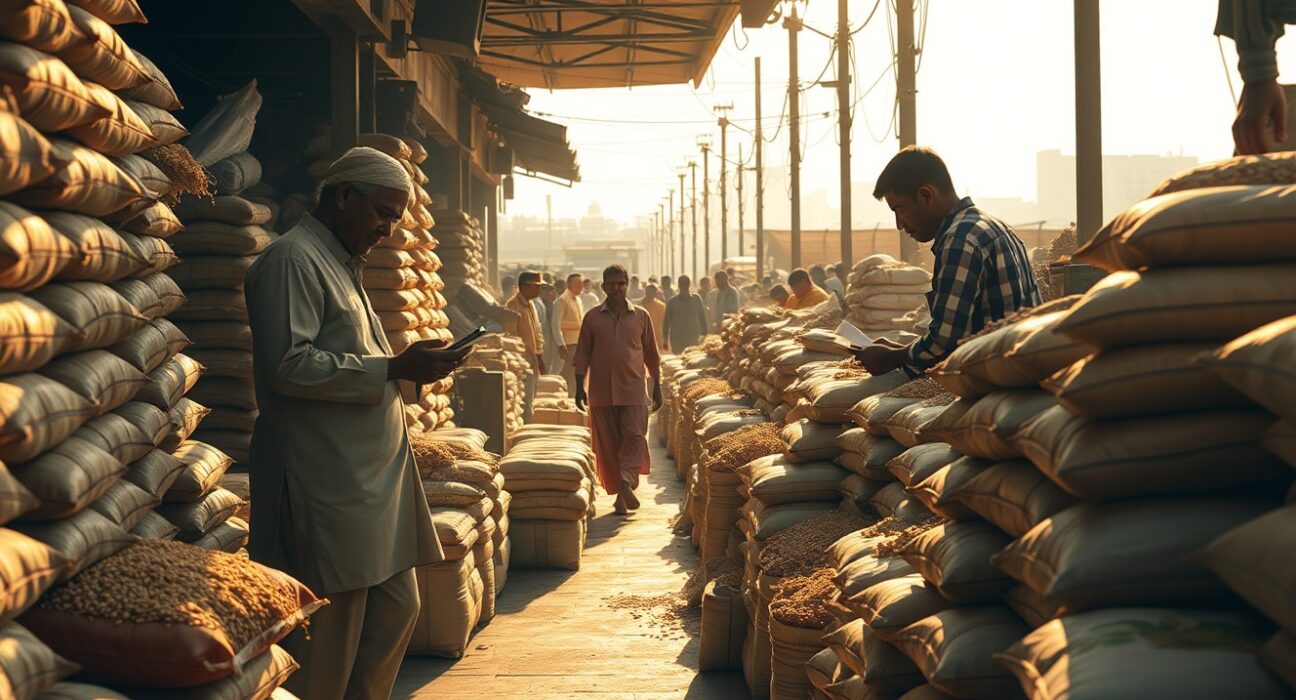
India’s annual wholesale price index (WPI) inflation rose to 9.87% in June 2021, up from 9.68% in May, according to data released by the Ministry of Commerce and Industry. The increase marks the seventh consecutive month of double-digit wholesale inflation, reflecting persistent cost pressures across fuel, power, and manufacturing sectors.
Key Drivers Behind the June Spike
The primary contributors to the June WPI inflation were the fuel and power group, which saw a 32.83% year-on-year increase, and manufactured products, which rose by 11.92%. The primary articles group, which includes food items, recorded a more moderate increase of 5.13%. Analysts noted that the ongoing rise in global crude oil prices and supply chain disruptions continued to feed into domestic wholesale costs.
Comparison with Retail Inflation
The divergence between wholesale and retail inflation remained stark. While WPI inflation has remained above 9% since March 2021, the Consumer Price Index (CPI) inflation for June came in at 6.26%, within the Reserve Bank of India’s (RBI) tolerance band of 2%–6%. The RBI has maintained an accommodative stance, focusing on supporting economic recovery, but the persistent wholesale price pressures are expected to eventually translate into higher retail prices.
Impact on Businesses and Consumers
Higher wholesale inflation directly affects input costs for businesses, particularly in manufacturing and construction. Companies may face margin compression if they are unable to pass on increased costs to consumers. For households, sustained wholesale inflation could lead to higher prices for goods such as packaged foods, clothing, and household appliances in the coming months. Small and medium enterprises (SMEs), which often have less pricing power, are especially vulnerable.
Conclusion
The June WPI inflation data underscores the ongoing cost-push pressures in the Indian economy, driven by global commodity prices and domestic supply constraints. While the RBI has signaled patience, the sustained gap between wholesale and retail inflation warrants close monitoring. Policymakers will need to balance growth support with inflation management, particularly as the economy recovers from the pandemic.
FAQs
Q1: What is WPI inflation?
WPI stands for Wholesale Price Index, which measures the average change in prices of goods at the wholesale level. It is an indicator of inflationary trends before goods reach consumers.
Q2: Why is WPI inflation higher than CPI inflation in India?
WPI includes a higher weight for manufacturing and fuel items, which have seen sharp price increases globally. CPI, which includes services and has a higher weight for food, has been more moderate due to stable domestic food supply.
Q3: How does WPI inflation affect the common person?
While WPI does not directly measure consumer prices, sustained high wholesale inflation often leads to higher retail prices over time as businesses pass on increased costs. This can reduce purchasing power.
Disclaimer: The information provided is not trading advice, Bitcoinworld.co.in holds no liability for any investments made based on the information provided on this page. We strongly recommend independent research and/or consultation with a qualified professional before making any investment decisions.
