

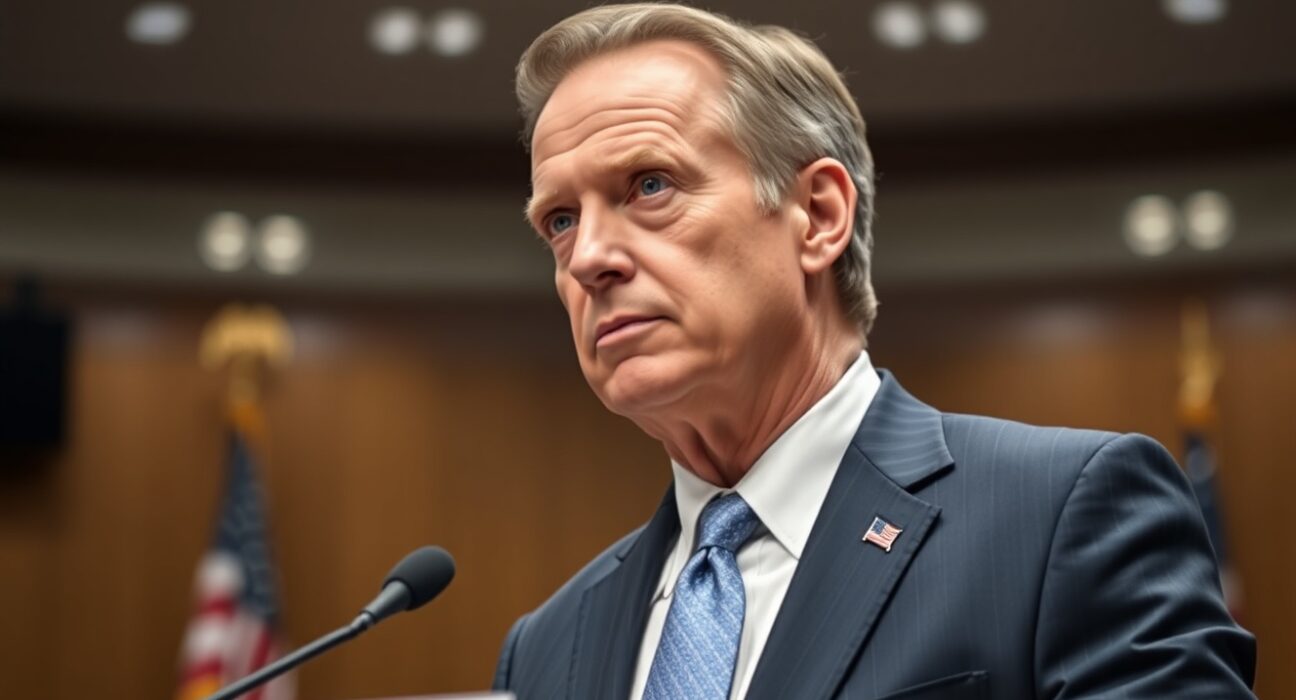
Christopher Giancarlo, former chairman of the U.S. Commodity Futures Trading Commission (CFTC), has cast doubt on the passage of the CLARITY bill, estimating its chances at less than 50%, according to a post on X by Crypto in America host Eleanor Terrett. The assessment from the former regulator, known for his forward-looking stance on digital assets, offers a sobering perspective on the legislative path forward for cryptocurrency oversight in the United States.
Giancarlo’s Assessment of the CLARITY Bill’s Prospects
Speaking through Terrett’s account, Giancarlo indicated that while the CLARITY bill represents a significant attempt to provide a comprehensive regulatory framework for digital assets, its likelihood of passing through Congress remains uncertain. The bill, which aims to clarify the jurisdictional boundaries between the SEC and CFTC over crypto assets, has been a focal point for industry advocates seeking clearer rules of the road. However, Giancarlo’s less-than-50% estimate reflects the persistent political headwinds and legislative gridlock that have stalled similar efforts in the past.
Why This Matters: The Regulatory Landscape Beyond Legislation
Giancarlo’s comments carry weight given his tenure leading the CFTC during a period of rapid crypto market growth and his subsequent work advising blockchain projects. Crucially, he argued that even if the CLARITY bill fails, cryptocurrency innovation will not stall. Instead, he pointed to the ongoing rulemaking and enforcement actions by the SEC and CFTC as creating a de facto regulatory framework that provides some level of certainty for market participants.
Institutional Progress That May Outlast Political Cycles
Perhaps the most significant aspect of Giancarlo’s remarks is his assertion that the institutional progress made over the next two years—through agency guidance, enforcement precedents, and market infrastructure development—would be difficult for a future administration to reverse, even one hostile to crypto. This perspective suggests that the bureaucratic and market-driven momentum behind digital assets may have reached a point where it is self-sustaining, regardless of congressional action. For investors and companies, this implies that the window for operating in a regulatory gray area is narrowing, but the foundation for legitimate, compliant innovation is being laid.
Conclusion
While the CLARITY bill’s future remains uncertain, Giancarlo’s analysis provides a nuanced outlook: legislative clarity is not guaranteed, but the regulatory and market infrastructure for crypto is maturing in ways that create lasting institutional change. For stakeholders, the key takeaway is to focus on compliance with existing SEC and CFTC frameworks, as these are likely to define the operating environment for the foreseeable future.
FAQs
Q1: What is the CLARITY bill?
The CLARITY bill is a proposed U.S. law designed to clarify the regulatory authority of the SEC and CFTC over digital assets, aiming to reduce jurisdictional overlap and provide clearer guidelines for crypto businesses.
Q2: Why does Christopher Giancarlo believe the bill has less than a 50% chance of passing?
Giancarlo’s assessment is based on the current political climate and legislative gridlock in Congress, which has historically made it difficult to pass comprehensive financial technology legislation.
Q3: What does Giancarlo mean by ‘institutional progress’ that cannot be easily reversed?
He refers to the body of SEC and CFTC enforcement actions, no-action letters, and market practices that are being established now. These create legal precedents and industry standards that would be time-consuming and legally complex for a future administration to dismantle.
Disclaimer: The information provided is not trading advice, Bitcoinworld.co.in holds no liability for any investments made based on the information provided on this page. We strongly recommend independent research and/or consultation with a qualified professional before making any investment decisions.
