

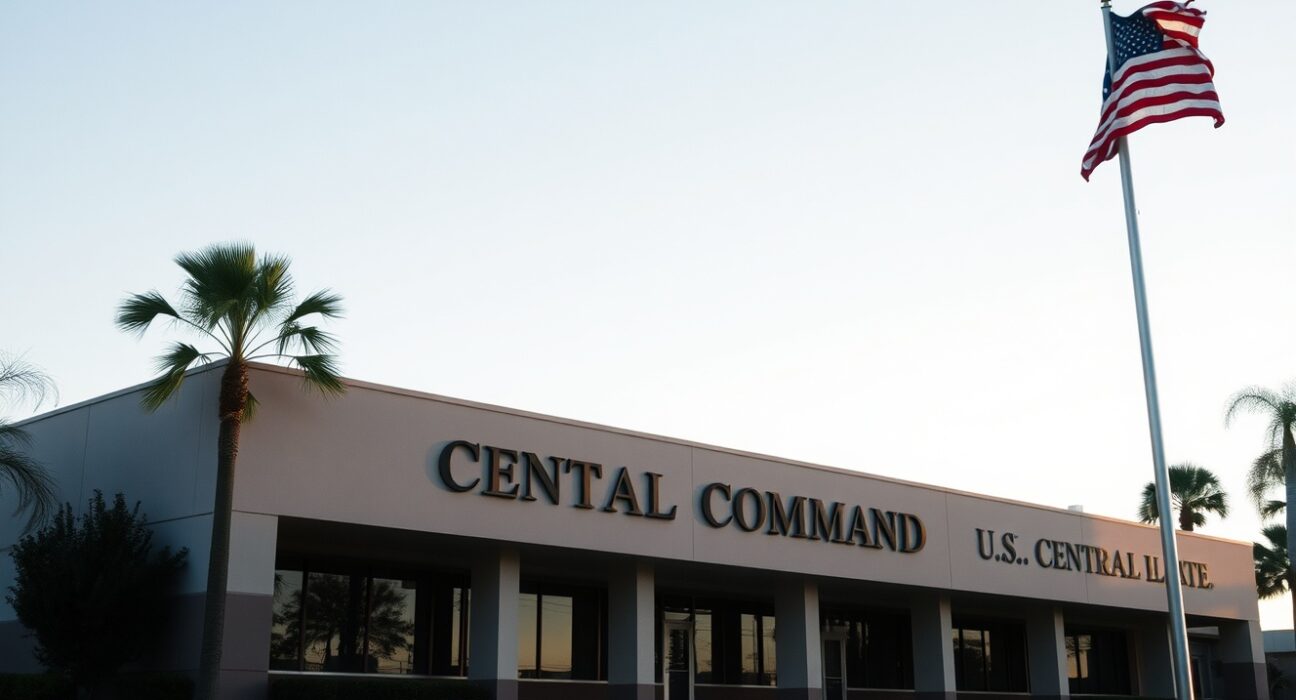
For the first time in 13 consecutive days, the U.S. Central Command (CENTCOM) did not announce any airstrikes against Iranian military targets on the night of July 24, according to a report from CNN. The break in the pattern of near-daily announcements raises questions about the current state of U.S. military operations inside Iran, though it remains unconfirmed whether a pause in operations has actually occurred or if the lack of a public statement reflects a shift in operational communication strategy.
Background: Two Weeks of Sustained Strikes
Beginning around July 11, CENTCOM had issued a daily social media statement detailing strikes against what it described as military targets inside Iran. These announcements were part of a sustained campaign that marked a significant escalation in the U.S. military’s posture in the region. Each statement typically listed the types of targets hit, such as command-and-control centers, weapons storage facilities, or missile launch sites, though independent verification of these claims has been limited due to the sensitive nature of the operations and restrictions on battlefield reporting.
The 13-day streak represented the longest continuous period of publicly acknowledged strikes by the U.S. military in Iran since the onset of the current conflict. The absence of an announcement on July 24 is notable not only for its break in frequency but also for the lack of any official explanation from CENTCOM regarding the change.
What the Pause May Indicate
Without official confirmation, analysts are considering several possible explanations for the break in announcements. It is possible that no military operations were conducted on July 24, which could indicate a tactical pause for reassessment, a shift in operational tempo, or the completion of a specific phase of the campaign. Alternatively, CENTCOM may have conducted operations that it chose not to publicly disclose, potentially for reasons related to operational security, diplomatic sensitivity, or a change in public affairs policy.
The lack of a statement does not confirm the absence of activity. Historically, military forces have withheld public announcements for operations that are covert, intelligence-driven, or part of a broader strategic plan that requires a temporary information blackout. The ambiguity itself is a significant development, as the consistent daily announcements had become a predictable and transparent element of the U.S. military’s communication strategy.
Implications for Regional Stability
The pause comes at a critical juncture in U.S.-Iran relations. The sustained strikes had drawn international attention and condemnation from some quarters, while others viewed them as a necessary response to Iranian provocations. The break in the pattern could be interpreted by Iran as a de-escalatory signal, or conversely, as a prelude to a different type of military action. Markets and regional observers will be closely watching for any subsequent statements from CENTCOM or the Pentagon that might clarify the situation.
For readers, the key takeaway is that the absence of an announcement is itself newsworthy. In the context of a highly publicized and consistent military campaign, a sudden silence carries weight. Until CENTCOM provides an update, the status of U.S. military operations inside Iran remains officially unconfirmed, but the break in the pattern is a clear signal that something has changed.
Conclusion
The U.S. Central Command’s decision to not announce airstrikes on Iran on July 24 ends a 13-day streak of daily public statements. Whether this reflects a genuine pause in operations or a shift in communication policy is not yet known. The development adds a layer of uncertainty to an already tense military situation and underscores the importance of monitoring official channels for further clarification. The story continues to develop, and further updates are expected.
FAQs
Q1: Does the lack of an announcement mean the U.S. has stopped airstrikes on Iran?
Not necessarily. It is possible that no operations occurred, but it is also possible that operations took place and were not publicly announced. There is no official confirmation either way.
Q2: Why is the 13-day streak significant?
The streak represented the longest continuous period of publicly acknowledged U.S. airstrikes in Iran. The break in the pattern is a notable change in the U.S. military’s communication strategy and could signal a shift in operations or policy.
Q3: Where can I find official updates on U.S. military operations in Iran?
Official updates are typically published on the U.S. Central Command’s social media accounts and website. The Pentagon and the Department of Defense also provide official statements and press briefings.
Disclaimer: The information provided is not trading advice, Bitcoinworld.co.in holds no liability for any investments made based on the information provided on this page. We strongly recommend independent research and/or consultation with a qualified professional before making any investment decisions.
