

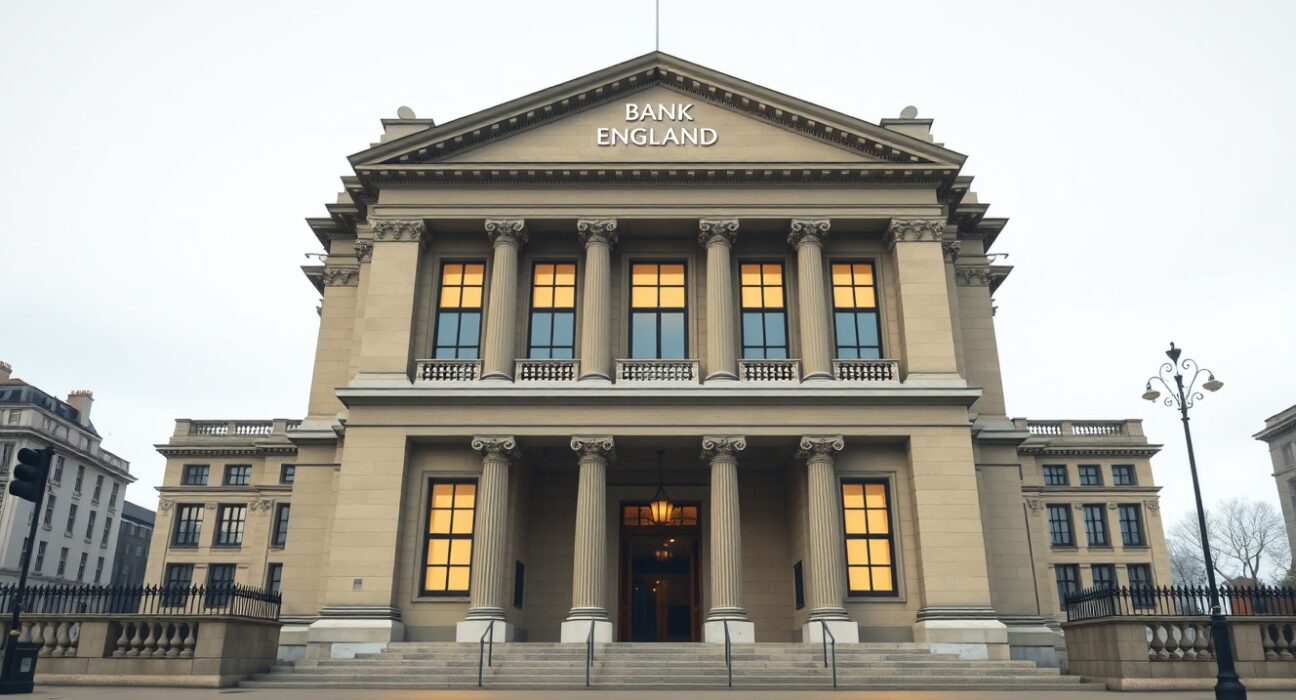
The Bank of England (BoE) has set a higher threshold for future interest rate increases, according to analysts at ING, suggesting a more cautious approach to monetary tightening amid persistent economic headwinds. The assessment, based on recent BoE communications and economic data, indicates that policymakers are prioritizing stability over aggressive rate adjustments.
ING’s Analysis of BoE’s Stance
ING economists highlighted that the BoE’s recent tone has shifted toward a more measured outlook. In their latest note, they pointed to softer labor market data, easing inflation pressures, and global uncertainties as key factors behind the higher bar for rate hikes. The analysts noted that the central bank is now more likely to hold rates steady or cut them before considering another increase, diverging from earlier expectations of a continued tightening cycle.
The analysis underscores that the BoE is closely monitoring domestic wage growth and services inflation, which remain elevated but are showing signs of moderation. ING’s view aligns with market pricing, which now reflects a lower probability of further rate hikes in 2024.
Market and Economic Context
The BoE’s cautious stance comes as the UK economy faces a mixed picture. While headline inflation has fallen from double-digit highs, core inflation and wage growth remain sticky. The central bank has raised interest rates 14 consecutive times since late 2021, bringing the benchmark rate to 5.25%, its highest level since 2008. However, recent data showing a slowdown in GDP growth and a cooling housing market have fueled speculation that the BoE may be nearing the end of its hiking cycle.
ING’s assessment is consistent with comments from BoE Governor Andrew Bailey, who has emphasized that policy will remain restrictive for an extended period but has not committed to further increases. The bank’s November Monetary Policy Report also revised down growth forecasts, reinforcing the view that the economy is struggling under the weight of higher borrowing costs.
Implications for Borrowers and Investors
For UK households and businesses, a higher bar for rate hikes could signal that mortgage rates and loan costs have peaked or are near their peak. This may provide some relief to borrowers who have faced sharply higher payments over the past two years. However, ING warns that rates are likely to remain elevated for longer, meaning borrowing costs will not fall quickly.
For financial markets, the BoE’s more cautious stance could support bond prices and reduce volatility in interest rate expectations. The British pound has already weakened slightly on the news, as traders adjust to a less hawkish outlook.
Conclusion
ING’s analysis suggests that the Bank of England is increasingly cautious about further rate hikes, reflecting a delicate balancing act between controlling inflation and supporting a slowing economy. While the central bank has not ruled out future increases, the bar for action has clearly risen. The coming months will be critical as the BoE assesses whether inflation can be tamed without triggering a deeper downturn.
FAQs
Q1: What does ‘higher bar for rate hikes’ mean?
It means the Bank of England now requires stronger economic justification, such as persistently high inflation or wage growth, before raising interest rates again. The central bank is more hesitant to tighten policy given the weakening economy.
Q2: How does this affect UK mortgage rates?
If the BoE holds rates steady or cuts them, mortgage rates may stabilize or decline gradually. However, rates are likely to remain elevated for some time, so borrowers should not expect immediate relief.
Q3: Will the Bank of England cut rates soon?
ING analysts suggest that rate cuts are possible in 2024 if the economy weakens further and inflation continues to fall. However, the BoE has not signaled any imminent cuts, and policy remains data-dependent.
Disclaimer: The information provided is not trading advice, Bitcoinworld.co.in holds no liability for any investments made based on the information provided on this page. We strongly recommend independent research and/or consultation with a qualified professional before making any investment decisions.
