

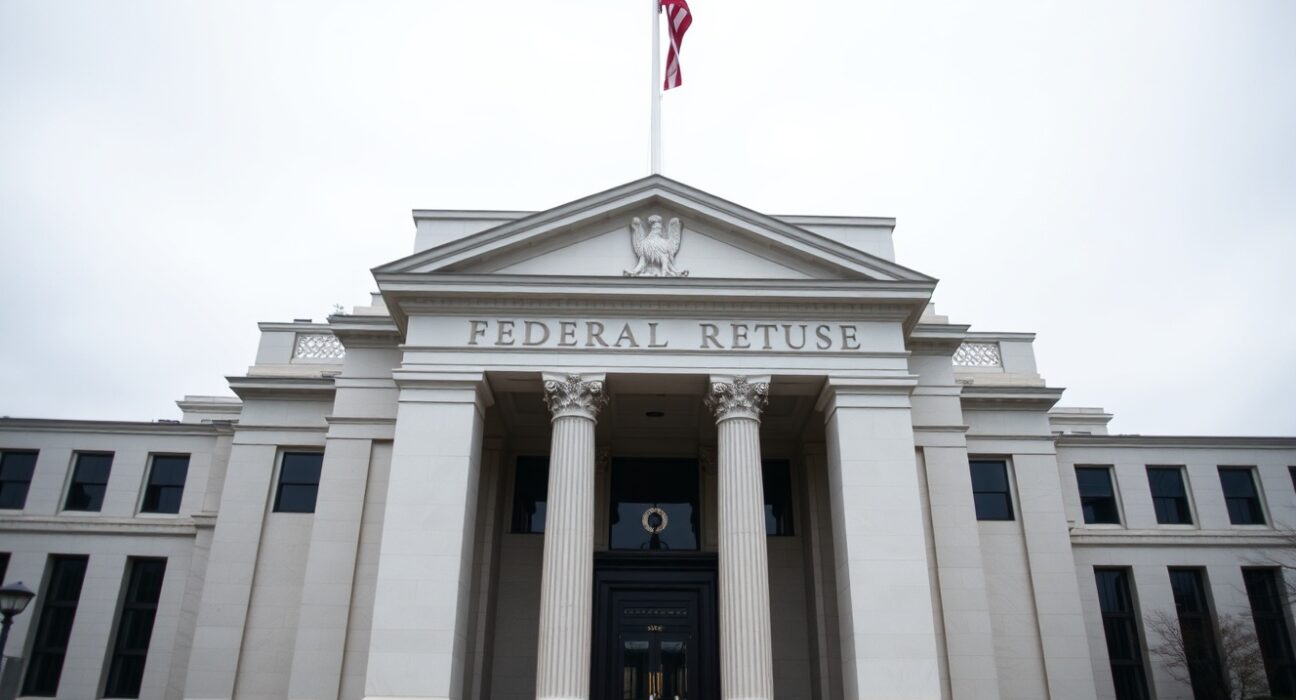
President Donald Trump said the United States should have the lowest interest rates in the world, renewing a familiar line of pressure on the Federal Reserve’s independent monetary policy. The comment, made during a public appearance, signals ongoing friction between the White House and the central bank over the direction of borrowing costs.
Context of the Statement
Trump’s remarks come as the Federal Reserve holds interest rates at elevated levels to combat persistent inflation, a stance that has drawn criticism from the administration. The president has long argued that lower rates would boost economic growth and make U.S. debt more manageable. However, the Fed has maintained its independence in setting rates based on economic data, not political pressure.
Implications for Monetary Policy
The Federal Reserve’s mandate focuses on maximum employment and price stability, with interest rate decisions made by the Federal Open Market Committee (FOMC). While Trump’s comments reflect a desire for cheaper borrowing, economists warn that artificially low rates could reignite inflation or destabilize financial markets. The U.S. central bank has historically resisted direct political influence over its policy tools.
Market and Consumer Impact
Lower interest rates would reduce costs for mortgages, car loans, and business borrowing, potentially stimulating spending and investment. However, savers and retirees reliant on fixed-income investments could see reduced returns. The Fed’s current rate path remains data-dependent, with inflation still above the 2% target.
Conclusion
Trump’s statement adds to ongoing debate over the Fed’s independence and the appropriate level of interest rates in a post-pandemic economy. While the president’s goal aligns with his broader economic agenda, the Fed is expected to continue its cautious approach. The outcome will depend on incoming inflation data and broader economic conditions.
FAQs
Q1: Can the president directly set interest rates?
No. The Federal Reserve operates independently and sets monetary policy based on its dual mandate of maximum employment and stable prices. The president can express preferences but cannot dictate rate decisions.
Q2: Why does Trump want lower interest rates?
Lower rates could reduce borrowing costs for consumers and businesses, potentially boosting economic growth and making U.S. debt cheaper to service. Trump has also argued that lower rates would strengthen U.S. competitiveness globally.
Q3: What are the risks of cutting rates too quickly?
Cutting rates prematurely could reignite inflation, weaken the dollar, and create asset bubbles. The Fed has emphasized the need to see sustained progress on inflation before easing policy.
Disclaimer: The information provided is not trading advice, Bitcoinworld.co.in holds no liability for any investments made based on the information provided on this page. We strongly recommend independent research and/or consultation with a qualified professional before making any investment decisions.
