

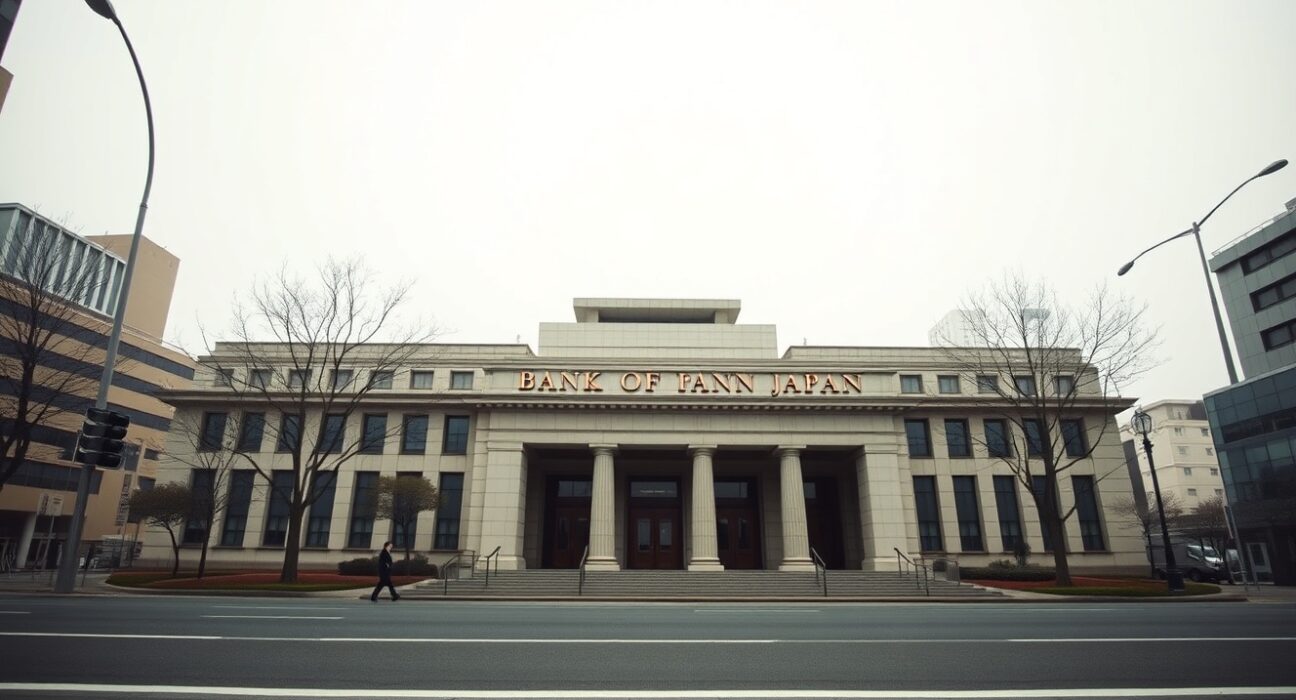
The Bank of Japan is widely expected to maintain its current ultra-loose monetary policy stance at its upcoming meeting, signaling a cautious and deliberate approach to any future interest rate hikes. This measured path reflects the central bank’s ongoing assessment of domestic economic conditions, wage growth trends, and global financial uncertainties.
Why the BOJ Is Proceeding with Caution
The BOJ’s reluctance to rush into tightening stems from a fragile domestic recovery. While inflation has exceeded the 2% target for over a year, policymakers remain concerned that price increases are largely cost-push driven rather than demand-led. Sustained wage growth, a prerequisite for durable inflation, has not yet been confirmed across all sectors. The central bank is waiting for clearer evidence that the economy can withstand higher borrowing costs without derailing growth.
Market Expectations and the Yen’s Trajectory
Financial markets have priced in a very gradual normalization cycle. The consensus among economists is that the BOJ will raise its short-term policy rate from the current 0.25% to around 0.50% by the end of the year, with further increases in 2026. This slow pace has implications for the Japanese yen, which remains under pressure against the US dollar. A prolonged period of low rates relative to other major economies could keep the yen weak, impacting import costs and consumer spending in Japan.
Global Implications of a Gradual BOJ Tightening
The BOJ’s path is being closely watched by global investors. A slower-than-expected normalization could sustain the yen carry trade, where investors borrow cheap yen to invest in higher-yielding assets elsewhere. This dynamic affects currency markets, bond yields, and equity flows worldwide. The central bank’s communication strategy will be key to managing market expectations and preventing sudden volatility.
Conclusion
The Bank of Japan is navigating a complex economic landscape, balancing the need to normalize policy with the risk of stifling a nascent recovery. Its slow, data-dependent approach is likely to continue, with the next rate hike contingent on stronger wage data and more stable inflation. For global markets, the BOJ’s patience means a continued environment of cheap yen and heightened focus on its every policy signal.
FAQs
Q1: When is the next Bank of Japan policy meeting?
The next scheduled monetary policy meeting is expected to conclude in the coming days. The decision will be announced with the BOJ’s usual statement and press conference.
Q2: What is the current Bank of Japan interest rate?
The BOJ’s short-term policy rate currently stands at 0.25%, following a rate hike in July 2024. The central bank is widely expected to hold this rate steady at its upcoming meeting.
Q3: How does BOJ policy affect the Japanese yen?
A slower pace of rate hikes relative to other central banks, particularly the US Federal Reserve, tends to weaken the yen. A weaker yen increases import costs for Japan but can boost exports and tourism.
Disclaimer: The information provided is not trading advice, Bitcoinworld.co.in holds no liability for any investments made based on the information provided on this page. We strongly recommend independent research and/or consultation with a qualified professional before making any investment decisions.
