

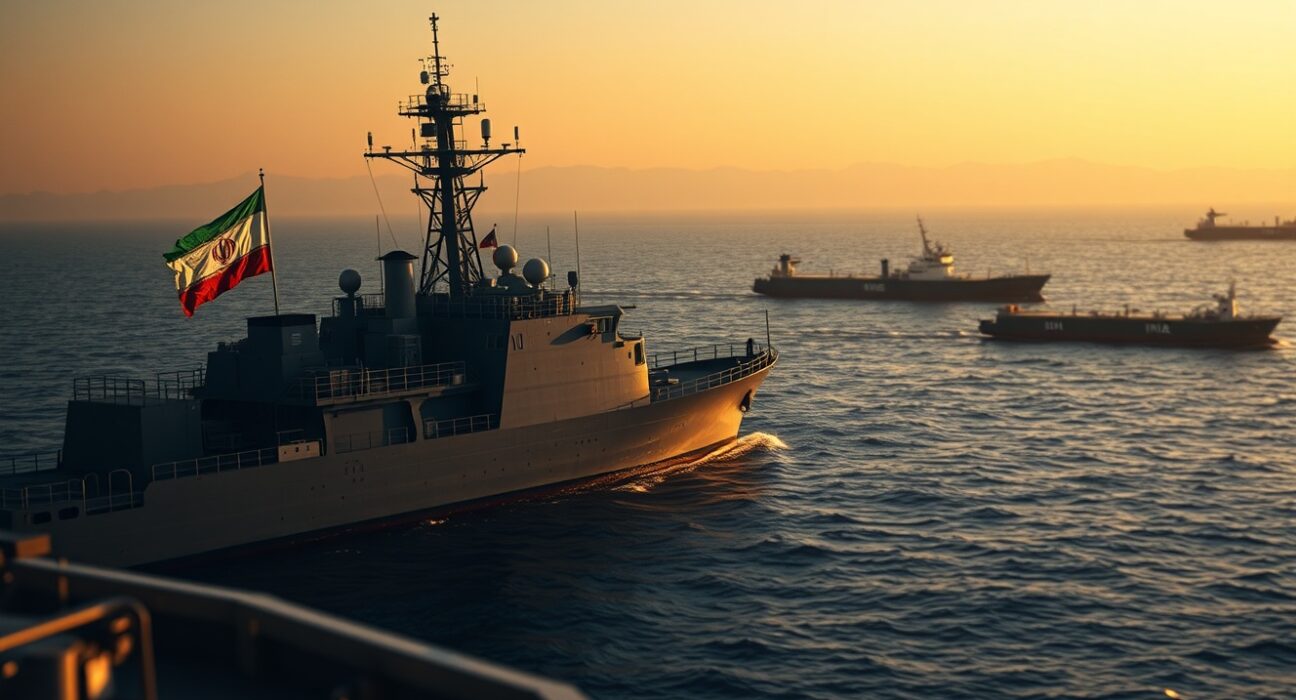
Iran has officially rejected a regional proposal put forward by Oman to establish a joint management framework for the Strait of Hormuz, according to diplomatic sources and official statements confirmed on [Date of report]. The decision underscores Tehran’s continued insistence on unilateral control over the strategic waterway, which handles roughly one-fifth of the world’s oil transit.
Background of the Omani Proposal
Oman, which has historically maintained neutral diplomatic ties with both Iran and Gulf Cooperation Council (GCC) states, had proposed a multilateral mechanism involving Iran, Oman, and other regional stakeholders. The proposal aimed to de-escalate tensions in the Strait of Hormuz, a frequent flashpoint between Iran and the United States, and to ensure safe passage for commercial shipping. Omani mediators had floated the idea in recent months as part of broader efforts to reduce friction in the Persian Gulf.
Iran’s Official Position
Iran’s foreign ministry issued a statement clarifying that Tehran considers the Strait of Hormuz a matter of national sovereignty and security. The rejection aligns with Iran’s long-standing policy that it does not require external partners to manage what it views as its territorial waters. Analysts note that the move reflects the influence of hardline factions within Iran’s establishment, which view any joint arrangement as a concession to foreign powers, particularly the United States and its regional allies.
Regional and Global Implications
The rejection comes at a time of heightened uncertainty in global energy markets. The Strait of Hormuz is a critical chokepoint for oil and liquefied natural gas shipments from Saudi Arabia, Iraq, Kuwait, the UAE, and Qatar. Any disruption to shipping through the strait can have immediate effects on global oil prices and energy security. Iran’s refusal to participate in a joint management scheme may increase the risk of unilateral actions, including inspections or temporary closures, which have occurred during past confrontations.
Why This Matters for Gulf Security
Oman’s proposal was seen by some regional observers as a potential confidence-building measure that could reduce the likelihood of accidental naval clashes. With Iran’s rejection, the burden of ensuring safe passage remains largely on the shoulders of individual nations and international naval coalitions, including the U.S.-led Combined Maritime Forces. The decision also complicates Oman’s role as a mediator, potentially narrowing the diplomatic space for future initiatives.
Conclusion
Iran’s formal rejection of Oman’s joint Hormuz management proposal reaffirms Tehran’s hardline posture on Gulf security and its opposition to multilateral frameworks that it perceives as infringing on its sovereignty. The move is likely to reinforce existing divisions between Iran and the GCC, while leaving the Strait of Hormuz’s security architecture unchanged. For global markets and regional stakeholders, the decision signals continued reliance on deterrence and military patrols rather than diplomatic cooperation.
FAQs
Q1: What was Oman’s proposal for the Strait of Hormuz?
Oman proposed a joint regional management framework involving Iran and other Gulf states to ensure safe navigation and reduce tensions in the Strait of Hormuz, a key oil transit chokepoint.
Q2: Why did Iran reject the proposal?
Iran considers the Strait of Hormuz a matter of national sovereignty and rejects any external involvement in its management, viewing joint proposals as a concession to foreign powers, particularly the United States.
Q3: What are the consequences of Iran’s rejection?
The rejection maintains the status quo, where the strait’s security depends on unilateral Iranian actions and international naval patrols. It also reduces the chances of diplomatic de-escalation and could increase the risk of future incidents affecting global oil shipments.
Disclaimer: The information provided is not trading advice, Bitcoinworld.co.in holds no liability for any investments made based on the information provided on this page. We strongly recommend independent research and/or consultation with a qualified professional before making any investment decisions.
