

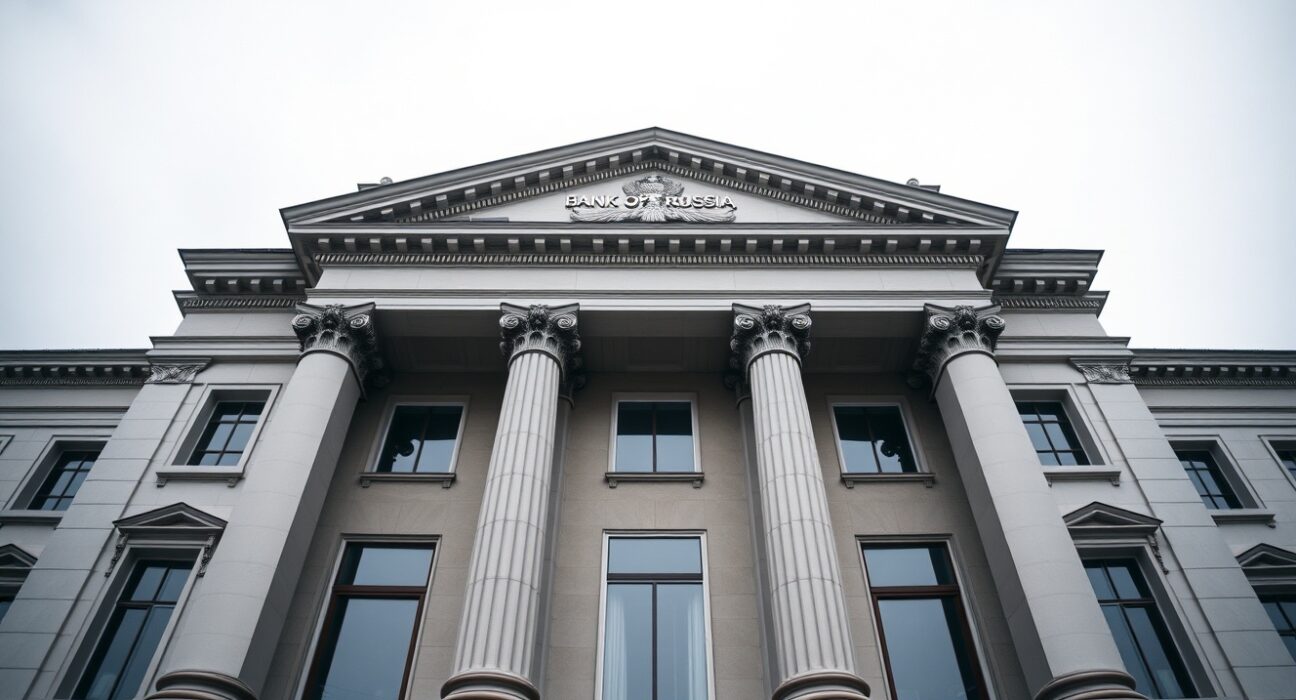
Russia’s central bank reserves increased to $732.1 billion, according to the latest data, up from $722.9 billion in the previous reporting period. The $9.2 billion increase represents a notable shift in the country’s financial holdings, which include foreign currency, gold, and other reserve assets.
Understanding the Reserve Increase
The rise in reserves reflects changes in the valuation of assets held by the Bank of Russia. These reserves serve as a financial buffer for the country, helping to stabilize the ruble and meet international obligations. The composition of these reserves includes a mix of foreign currencies, gold, Special Drawing Rights (SDRs), and other reserve positions.
Implications for the Russian Economy
A growing reserve base can signal economic resilience, but it also depends on the underlying factors driving the increase. Currency fluctuations, gold price movements, and central bank interventions all play a role. The latest figures come amid ongoing international sanctions and adjustments in Russia’s trade patterns.
What This Means for Markets
For investors and analysts, changes in central bank reserves are a key indicator of a country’s financial health. The increase from $722.9 billion to $732.1 billion suggests a strengthening of Russia’s external position, at least in the short term. However, the sustainability of this trend depends on global commodity prices, particularly oil and gas, and the broader geopolitical landscape.
Conclusion
Russia’s central bank reserves have grown to $732.1 billion, a clear increase from the previous $722.9 billion. While the rise is positive for the country’s financial stability, it should be viewed within the context of ongoing economic pressures and global market conditions.
FAQs
Q1: What are central bank reserves?
Central bank reserves are assets held by a country’s central bank, including foreign currencies, gold, and other financial instruments. They are used to support the national currency and meet international payment obligations.
Q2: Why did Russia’s reserves increase?
The increase from $722.9 billion to $732.1 billion can be attributed to factors such as changes in the valuation of gold and foreign currency holdings, as well as potential central bank market operations.
Q3: How do sanctions affect Russia’s reserves?
International sanctions can restrict access to a portion of a country’s reserves, particularly those held in foreign currencies or assets in sanctioning countries. This can limit the central bank’s ability to use those reserves freely.
Disclaimer: The information provided is not trading advice, Bitcoinworld.co.in holds no liability for any investments made based on the information provided on this page. We strongly recommend independent research and/or consultation with a qualified professional before making any investment decisions.
