

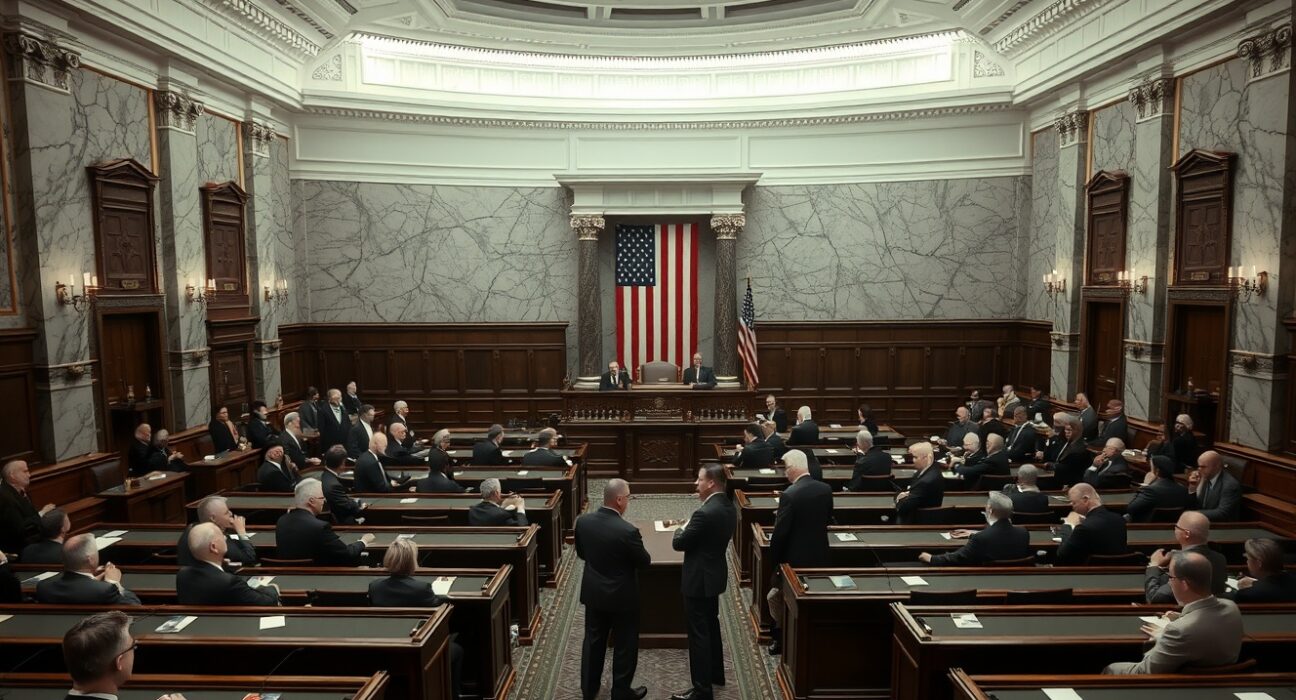
Senate Republicans on July 30 blocked a resolution that would have required President Donald Trump to withdraw U.S. forces from hostilities with Iran, marking the 13th time the chamber has voted on a related measure. The vote, which failed 49-50, fell short of the 60 votes needed to advance, despite growing unease within the Republican Party about the potential for a broader conflict in the Middle East and its effect on global energy prices.
Background of the War Powers Resolution
The resolution, introduced by the Senate Foreign Relations Committee, sought to reassert Congress’s constitutional authority to declare war, arguing that the Trump administration had not obtained proper approval for military actions against Iran. The measure specifically called on the president to end any hostilities not authorized by Congress. This latest vote follows a pattern of repeated attempts by lawmakers, primarily Democrats, to curb executive war powers, with Senate Republicans having blocked similar resolutions 11 times previously.
Growing Concerns Within the GOP
While the resolution was largely opposed along party lines, the vote highlighted internal divisions among Republicans. Some party members have expressed concern that an escalating conflict with Iran could destabilize the region and drive up oil prices, potentially harming the U.S. economy. The Trump administration has maintained that its actions against Iran, including the January 2020 drone strike that killed Iranian General Qasem Soleimani, were defensive and justified under existing authorizations for the use of military force. However, critics argue that such actions risk a costly and prolonged engagement without clear congressional consent.
Implications for U.S. Foreign Policy
The repeated failure of these resolutions underscores the ongoing struggle between the executive and legislative branches over war powers. For readers, this matters because it directly affects the scope of presidential authority to engage in military action without broad legislative support. The outcome also has potential ripple effects on U.S. relations with allies in the Middle East, Iran’s nuclear program, and global energy markets, which are sensitive to instability in the Strait of Hormuz.
Conclusion
The Senate’s decision to block the Iran war halt resolution reflects a persistent partisan divide over the use of military force and the balance of power between Congress and the presidency. As tensions with Iran remain high, the issue is likely to resurface, particularly if the conflict escalates further. For now, the administration retains broad latitude to conduct operations, but the repeated votes signal that the debate over war powers is far from settled.
FAQs
Q1: What does the Iran war powers resolution aim to do?
The resolution would have required President Trump to withdraw U.S. forces from hostilities with Iran unless Congress specifically authorized the action, reasserting Congress’s constitutional power to declare war.
Q2: Why have these resolutions been blocked repeatedly?
Senate Republicans have consistently argued that the resolutions undermine the president’s authority as commander-in-chief and that existing military actions against Iran are justified under prior authorizations for the use of military force.
Q3: How does this affect the average American?
The outcome influences the potential for a broader Middle East conflict, which could impact global oil prices and, consequently, costs at the pump. It also shapes the broader debate about checks and balances in U.S. foreign policy.
Disclaimer: The information provided is not trading advice, Bitcoinworld.co.in holds no liability for any investments made based on the information provided on this page. We strongly recommend independent research and/or consultation with a qualified professional before making any investment decisions.
