

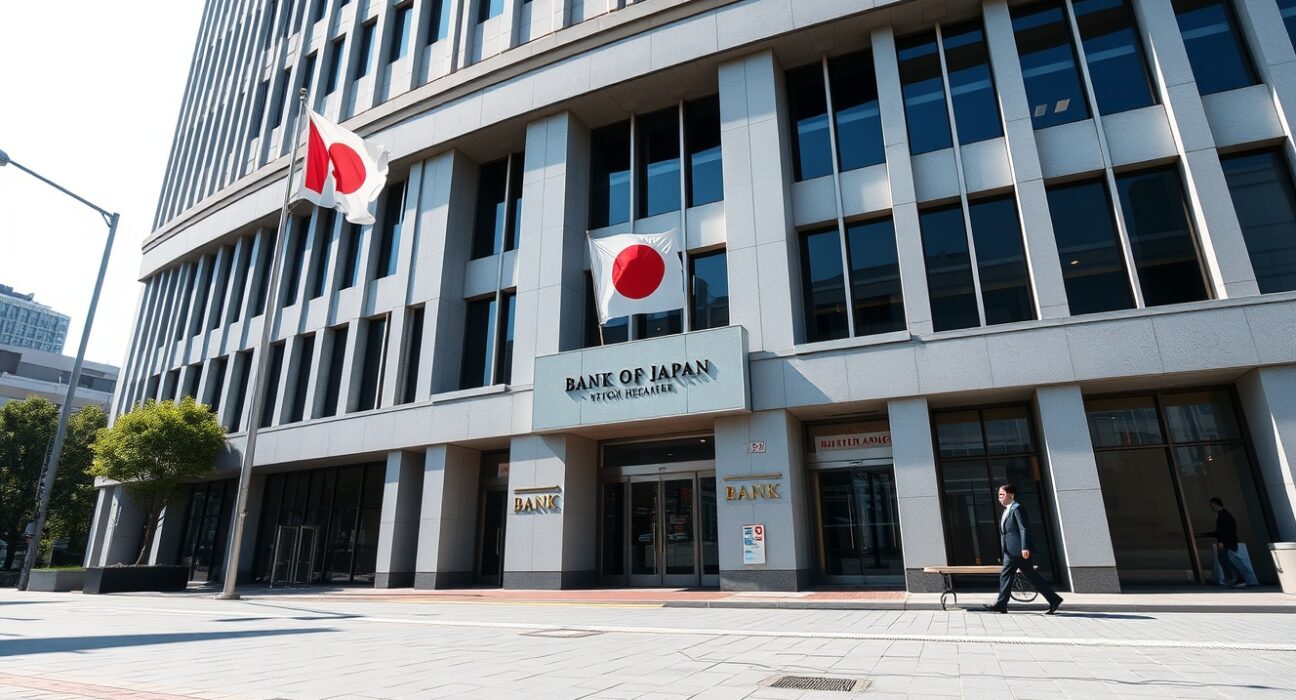
The Japanese yen weakened against major currencies on [Date], following the Bank of Japan’s decision to hold its benchmark interest rate at 1%, a move widely expected by markets but accompanied by cautious signals about future policy.
BOJ’s Decision and Market Reaction
The BOJ’s policy board voted to maintain the short-term rate target at 1% after its two-day meeting, citing the need to assess economic conditions and wage growth momentum. The decision aligns with market forecasts, yet the accompanying statement offered little clarity on the timing of further hikes, prompting yen selling.
As of [Date], the yen traded around [level] against the US dollar, down [percentage] from the previous session. Against the euro and other major currencies, the yen also declined, reflecting investor disappointment over the lack of a hawkish signal.
Why the Yen Is Under Pressure
The yen’s weakness stems from a widening interest rate differential between Japan and other advanced economies, particularly the US. While the Federal Reserve has maintained higher rates, the BOJ’s cautious stance keeps Japanese yields relatively low, discouraging capital inflows.
Additionally, domestic data on inflation and wages remain mixed. The BOJ has repeatedly emphasized the need for sustainable wage growth to achieve its 2% inflation target, but recent figures suggest progress is gradual. This uncertainty keeps the BOJ from committing to a clear tightening path.
Implications for Traders and the Economy
For forex traders, the BOJ’s stance suggests continued yen weakness in the near term, with any rate hike likely delayed until mid-2026 at the earliest. Import-dependent Japanese businesses face higher costs, which could feed into consumer prices, while exporters may benefit from a weaker currency.
The BOJ’s policy also affects global markets, as Japan is a major source of investment capital. A sustained weak yen could influence carry trades and emerging market flows, adding to global financial volatility.
Conclusion
The Bank of Japan’s decision to hold rates at 1% reinforces its cautious approach to normalizing monetary policy. While the yen’s slide may offer short-term relief to exporters, it underscores the challenges facing Japan’s economy as it balances inflation control with growth support. Markets will closely watch upcoming wage data and the BOJ’s communications for clues on the next move.
FAQs
Q1: Why did the Bank of Japan keep rates at 1%?
The BOJ maintained its rate to assess economic conditions, especially wage growth, before committing to further hikes. The board wants to ensure inflation sustainably reaches its 2% target.
Q2: How does the BOJ’s decision affect the yen?
The decision, along with a cautious outlook, reduces the appeal of yen-denominated assets, leading to depreciation against currencies like the US dollar, which have higher interest rates.
Q3: What should traders watch next?
Traders should monitor Japanese wage data, inflation reports, and BOJ governor speeches for signals on the timing of a potential rate hike. Any shift in the Fed’s policy stance could also influence yen movements.
Disclaimer: The information provided is not trading advice, Bitcoinworld.co.in holds no liability for any investments made based on the information provided on this page. We strongly recommend independent research and/or consultation with a qualified professional before making any investment decisions.
