

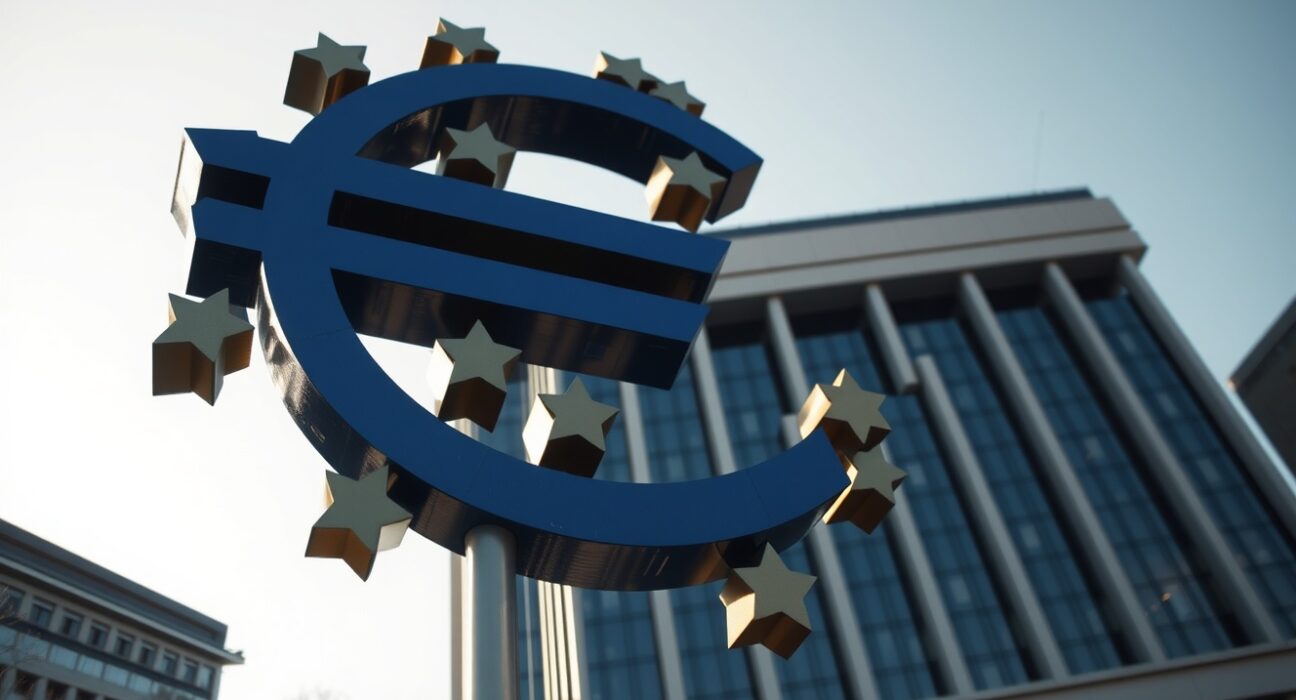
Eurozone inflation rose 2.8% year-on-year in July, according to the flash estimate published by Eurostat, coming in slightly below the 2.9% expected by economists. This marks a modest easing from June’s 2.5% rate, reflecting the persistent impact of energy prices and base effects.
What the Latest HICP Data Shows
The Harmonized Index of Consumer Prices (HICP) is the European Central Bank’s preferred measure of inflation. The July figure, released on July 31, 2024, indicates that while price pressures remain above the ECB’s 2% target, they are evolving broadly in line with the central bank’s projections.
Core inflation, which excludes volatile food and energy prices, also came in at 2.9% year-on-year in July, unchanged from June. This suggests that underlying price pressures are proving sticky, a key consideration for policymakers.
Energy prices, a major driver of inflation over the past two years, saw a modest increase of 1.0% year-on-year in July, after a 0.2% rise in June. Meanwhile, services inflation remained elevated at 4.0%, reflecting strong wage growth in the sector.
Implications for ECB Monetary Policy
The data arrives as the ECB navigates a delicate balancing act between taming inflation and supporting a sluggish Eurozone economy. After cutting rates in June for the first time since 2019, the ECB held rates steady in July, with President Christine Lagarde emphasizing a data-dependent approach.
Markets are now pricing in a possible rate cut in September, with the probability of a move rising slightly after the inflation print. However, the stickiness of services inflation and elevated wage growth could prompt caution among more hawkish members of the Governing Council.
Why This Matters to Consumers and Businesses
For households, the easing of inflation, albeit gradual, offers some relief after a prolonged cost-of-living crisis. Real wages are beginning to recover, and consumer confidence has shown signs of improvement. For businesses, lower borrowing costs would be welcome, but uncertainty over the pace of ECB easing remains.
Looking ahead, the ECB’s September meeting will be crucial. Updated staff projections will provide a clearer picture of the inflation outlook, and policymakers will weigh the latest data against risks to economic growth.
Conclusion
July’s inflation print, while slightly below expectations, does not fundamentally alter the ECB’s trajectory. The central bank remains committed to bringing inflation back to 2% in a timely manner, but it must also avoid unnecessarily dampening an already fragile economy. The coming months will be pivotal in determining the pace of monetary easing in the Eurozone.
FAQs
Q1: What is the HICP and why does it matter?
The Harmonized Index of Consumer Prices (HICP) is a standardized measure of inflation used across the European Union. It is the ECB’s primary gauge for price stability, influencing interest rate decisions that affect borrowing costs for consumers and businesses.
Q2: How does the July inflation figure affect my savings and loans?
If inflation remains above the ECB’s 2% target, the central bank may keep interest rates higher for longer. This can mean higher returns on savings accounts but also higher costs for variable-rate loans and mortgages. Conversely, if inflation falls, rate cuts could follow, potentially lowering borrowing costs.
Q3: What are the main risks to the inflation outlook?
Key risks include energy price volatility, geopolitical tensions, and wage growth. If wages continue to rise strongly, services inflation may stay elevated, making it harder for the ECB to reach its target. On the other hand, a deeper economic slowdown could pull inflation down faster than expected.
Disclaimer: The information provided is not trading advice, Bitcoinworld.co.in holds no liability for any investments made based on the information provided on this page. We strongly recommend independent research and/or consultation with a qualified professional before making any investment decisions.
